
| Tel. | : +65 6970 5905 |
| Fax | : +65 6970 5906 |
| Mobile | : +65 9898 7781 |
| : hello@bjc.sg, drkevinkoo@bjc.sg |
| Tel. | : +65 6970 5905 |
| Fax | : +65 6970 5906 |
| Mobile | : +65 9898 7781 |
| : hello@bjc.sg, drkevinkoo@bjc.sg |
| Monday to Friday | : 8:30am to 5:30pm |
| Saturday & Sunday | : Closed |
| Public Holiday | : Closed |
Plantar Fasciitis Surgery in Singapore


Heel pain is a common condition that many people have due to the heel being prone to overuse injuries. Heel pain can range from mild to debilitating, with a range of causes (inflammation, trauma or systemic disease).
Plantar fasciitis is a common condition that causes heel pain, and it is when pain occurs at the bottom of the foot, near the heel and may extend into the arch.
What is Plantar Fasciitis?
Plantar fasciitis is the inflammation of the plantar fascia, a thick and fibrous band of tissue that runs across the bottom of the foot, connecting the heel bone to the toes. Its purpose is to support the muscles and arch of the foot, as well as absorb shock as we walk.
When the plantar fascia becomes overloaded or overstretched, small tears develop in the fibres, especially where the fascia connects to the heel bone.
What are the Symptoms of Plantar Fasciitis?
Symptoms can vary in severity and may develop gradually over time. Common signs and symptoms include:
Pain on the Bottom of the Heel
: Discomfort is usually felt where the plantar fascia attaches to the heel bone.Increased Pain After Exercise
: Symptoms may worsen following prolonged walking, running or other physical activities.Tightness in the Achilles Tendon
: Tightness in the calf and Achilles tendon can place additional strain on the plantar fascia.Pain in the Arch of the Foot
: Some individuals experience discomfort extending from the heel into the arch.Morning Stiffness
: Pain is often most noticeable when taking the first few steps after getting out of bed.Swelling of the Heel
: Mild swelling may occur around the affected area in some cases.
What Causes Plantar Fasciitis?
Plantar fasciitis often develops when repetitive stress exceeds the plantar fascia's ability to recover. Several factors may increase the likelihood of developing the condition.
Foot Structure
: Flat feet, high arches and other structural differences can affect how forces are distributed through the foot.Weight
: Excess body weight places additional stress on the plantar fascia during standing and walking.Overuse
: Activities that involve repetitive impact, such as running or prolonged standing, may increase strain on the plantar fascia.Age
: Plantar fasciitis is more commonly seen in adults between 40 and 60 years of age.Footwear
: Shoes that provide inadequate support or cushioning may contribute to excessive stress on the heel and arch.
How Is Plantar Fasciitis Diagnosed?
Diagnosis of plantar fasciitis begins with a clinical assessment and a review of your symptoms, medical history and activity levels. Your specialist will evaluate the foot and ankle to identify signs consistent with plantar fasciitis and rule out other causes of heel pain.
Physical Examination
: The foot and ankle are assessed for tenderness, flexibility and overall function.Heel Tenderness Assessment
: Specific areas around the heel are examined to identify the source of pain.Foot Structure Evaluation
: The shape and alignment of the foot may be assessed to identify contributing factors.Gait Assessment
: Walking patterns may be evaluated to determine how forces are distributed through the foot.X-rays or Ultrasound if Required
: Imaging studies may be recommended if further assessment is needed.Ruling Out Stress Fractures or Nerve-Related Conditions
: Other conditions that can cause heel pain may be excluded before confirming the diagnosis.
What are the Types of Plantar Fasciitis Treatments in Singapore?
Depending on the severity of the condition, different treatments apply.
Conservative Plantar Fasciitis Treatments Include:
- Resting and icing the affected area to relieve inflammation
- Physiotherapy to stretch the affected area properly and strengthen supporting muscles
- Night splint to stretch the calf and foot while you sleep
- Arch support to facilitate proper weight distribution of the foot
Additional Treatment Options May Include:
- Shockwave therapy to promote healing at the affected area
- Surgery (radiofrequency microtenotomy) may be considered as a last resort to stimulate healing within the damaged tissue.
Featured Treatment: Shockwave Therapy (ESWT)
Shockwave therapy, also known as ESWT (extracorporeal shockwave therapy), is an innovative and non-invasive treatment for suitable cases of plantar fasciitis in Singapore. A medically-proven technology, ESWT uses mechanical high-energy sound waves to target the injured area and promote healing.
Patients can expect a notable reduction in pain levels after 3 to 6 sessions. Some patients even report a reduction in symptoms after one session.
When is Plantar Fasciitis Surgery Needed?
Most cases of plantar fasciitis improve with conservative treatment. However, surgery may be considered when symptoms remain significant despite several months of physiotherapy, footwear modification, orthotics and other non-surgical measures.
Surgical treatment is generally reserved for individuals whose heel pain continues to affect walking, work, exercise or daily activities despite appropriate management.
What Happens During Plantar Fasciitis Surgery?
The exact procedure depends on the severity of your condition and the underlying cause of your symptoms. Plantar fasciitis surgery is typically considered only after non-surgical treatments have not provided sufficient relief.
Radiofrequency Microtenotomy
: Radiofrequency microtenotomy uses controlled radiofrequency energy to stimulate the body's natural healing response within the affected tissue.Plantar Fascia Release
: This procedure involves releasing a small portion of the plantar fascia to reduce tension and relieve strain on the heel.Minimally Invasive Techniques
: Where appropriate, surgery may be performed through small incisions to minimise tissue disruption and support recovery.
Recovery After Plantar Fasciitis Treatment or Surgery
Recovery varies depending on the treatment performed and individual healing factors.
Recovery Timeline
: Recovery timelines vary depending on the treatment performed and individual healing factors. Most patients undergoing non-surgical treatment experience significant improvement within three to six months. Following surgery, basic function may return within six to twelve weeks, while complete tissue healing and remodelling can take six to twelve months.Post-Operative Care
: Recovery may involve activity modification, rehabilitation exercises and follow-up appointments to monitor healing. Following your specialist's instructions and gradually returning to activities can help support a smoother recovery process.
How to Prevent Plantar Fasciitis?
While plantar fasciitis cannot always be prevented, certain measures may help reduce the risk of developing the condition.
Wear Supportive Footwear
: Well-fitted shoes with appropriate support and cushioning may help reduce stress on the plantar fascia.Gradual Increase in Activity
: Increasing exercise intensity and duration gradually can help avoid excessive strain on the foot.Maintain a Healthy Weight
: Maintaining a healthy weight may reduce the load placed on the plantar fascia.Regular Stretching
: Stretching the calf muscles and plantar fascia may help improve flexibility and reduce tension on the heel.
Why Choose Our Clinic for Plantar Fasciitis Surgery in Singapore
Over 20 Years of Orthopaedic Experience
: Dr Kevin Koo is a fellowship-trained Senior Consultant Orthopaedic Surgeon with extensive experience managing a wide range of foot and ankle conditions.Former Director of the Foot and Ankle Service at SGH
: Dr Koo previously led the Foot and Ankle Service at Singapore General Hospital, where he treated both routine and complex foot and ankle conditions.Advanced Fellowship Training in London
: He completed specialised fellowship training in the United Kingdom, further developing his expertise in foot and ankle surgery and sports injury management.Experienced in Treating Athletes and Dancers
: Dr Koo has experience managing foot and ankle injuries in athletes, dancers and active individuals, helping them return to their activities safely.Expertise in Minimally Invasive Techniques
: Where appropriate, minimally invasive surgical approaches may be used to reduce tissue disruption and support recovery.
Frequently Asked Questions (FAQs) About Plantar Fasciitis
How much is plantar fasciitis treatment in Singapore?
The cost varies depending on the type of treatment recommended. Factors such as consultations, imaging investigations, physiotherapy, shockwave therapy and surgery may influence the overall cost.
What exercises should you avoid with plantar fasciitis?
Activities that place repeated impact on the heel, such as running or jumping, may aggravate symptoms. Your doctor can advise which activities are suitable during recovery.
Can plantar fasciitis return after treatment?
Yes. Symptoms can recur, particularly if contributing factors such as poor footwear, overuse or tight calf muscles are not addressed.
How to walk with plantar fasciitis?
Supportive footwear, orthotics and activity modification may help improve comfort while walking. Avoiding excessive strain on the heel can also help manage symptoms.
Can plantar fasciitis go away on its own?
Some cases improve gradually with rest and activity modification. However, persistent symptoms should be assessed to determine whether further treatment is required.
Helpful Links
Read more about Plantar Fasciitis from HealthHub: https://www.healthhub.sg/a-z/diseases-and-conditions/plantar-fasciitis
Meet Our Plantar Fasciitis Specialist in Singapore
Meet Our Doctor
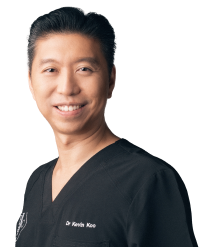
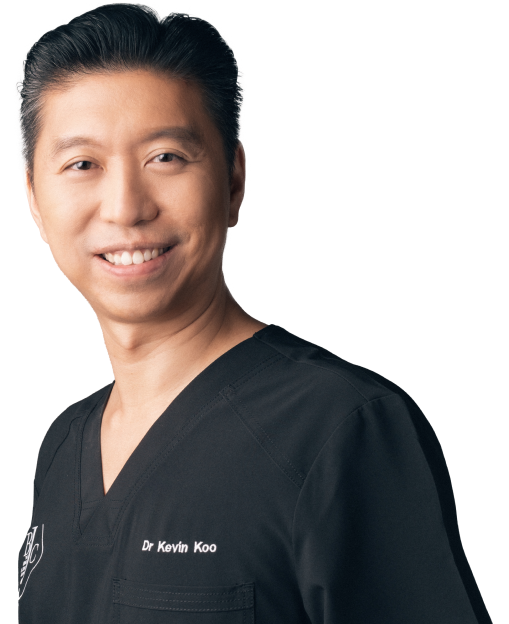
Dr Kevin Koo Oon Thien
FRCSEd (Orth), FAMS
Dr Kevin Koo is an orthopaedic surgeon in Singapore who specialises in the treatment of plantar fasciitis and other foot-related conditions. With 20 years of experience in the field, he has helped patients – including elite athletes and professional dancers – recover through both surgical and non-surgical treatments.
Throughout his career, Dr Koo has received several accolades and committee memberships. He has served as the Director of Foot and Ankle Service at Singapore General Hospital and continues to contribute to the field as an Adjunct Assistant Professor at NUS Yong Loo Lin School of Medicine and Duke-NUS Medical School.

| Tel. | : +65 6970 5905 |
| Fax | : +65 6970 5906 |
| Mobile | : +65 9898 7781 |
| : hello@bjc.sg , drkevinkoo@bjc.sg |
| Mon - FriMonday to Friday | :8:30am to 5:30pm |
| Sat, Sun and PHSaturday, Sunday & PH | :Closed |
Well-being: Our Focus at
The Bone & Joint Centre.
get in touch as soon as possible.


| Tel. | : +65 6970 5905 |
| Fax | : +65 6970 5906 |
| Mobile | : +65 9898 7781 |
| : hello@bjc.sg , drkevinkoo@bjc.sg |
| Mon - FriMonday to Friday | :8:30am to 5:30pm |
| Sat, Sun and PHSaturday, Sunday & PH | :Closed |