CALL US AT
9898 7781The Bone & Joint Centre
Mount Elizabeth Medical Centre, 3 Mount Elizabeth, #14-15, Singapore 228510
| Tel. | : +65 6970 5905 |
| Fax | : +65 6970 5906 |
| Mobile | : +65 9898 7781 |
| : hello@bjc.sg, drkevinkoo@bjc.sg |
Our Orthopaedic Specialist
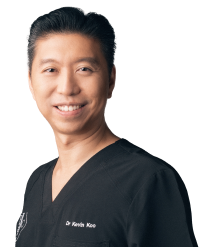
Dr Kevin Koo Oon Thien
With over 20 years of experience, Dr Kevin Koo is a fellowship-trained Senior Consultant Orthopaedic Surgeon dedicated to helping patients regain their mobility and independence
Address
The Bone & Joint Centre
Mount Elizabeth Medical Centre, 3 Mount Elizabeth, #14-15, Singapore 228510
Contact Information
| Tel. | : +65 6970 5905 |
| Fax | : +65 6970 5906 |
| Mobile | : +65 9898 7781 |
| : hello@bjc.sg, drkevinkoo@bjc.sg |
Operating Hours
| Monday to Friday | : 8:30am to 5:30pm |
| Saturday & Sunday | : Closed |
| Public Holiday | : Closed |
Your Health and Well-being:
Our Focus at The Bone & Joint Centre.
We know that getting back to the activities you love is what truly matters. We are committed to providing high-quality, compassionate care to help you regain the ability to live life to the fullest.
Call us at 9898 7781 or fill out the form below and we will get in touch as soon as possible.
Blog
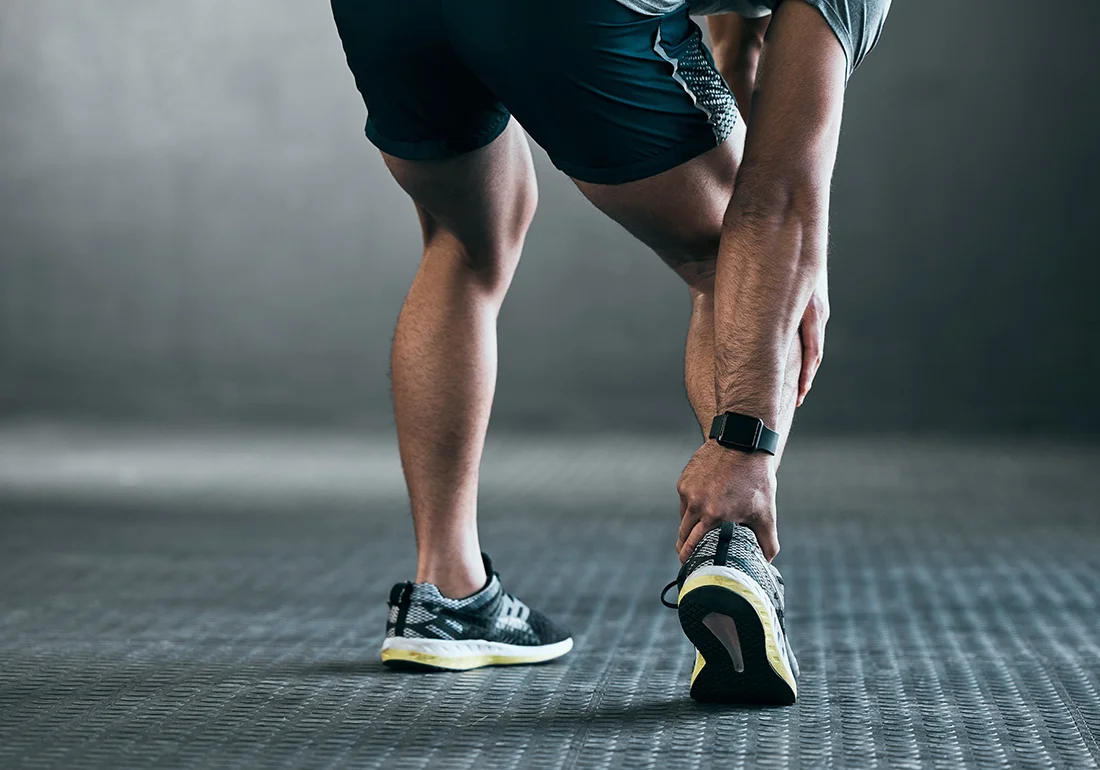
Achilles tendon pain can make a familiar walk or workout uncomfortable. Find out why symptoms may develop gradually or appear after an injury and when ongoing pain may be worth having assessed.
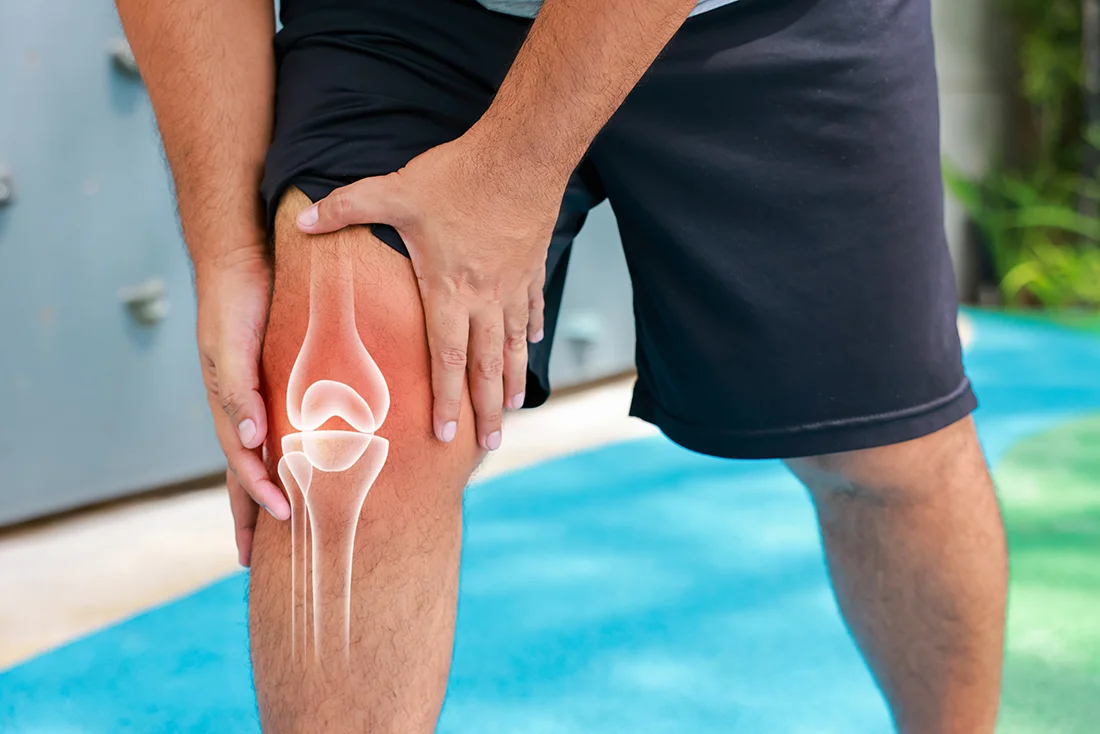
Recovering from a knee cartilage injury can look different for everyone. Understanding how the injury is assessed and what recovery may involve can help you feel more informed about your knee health and the steps ahead.
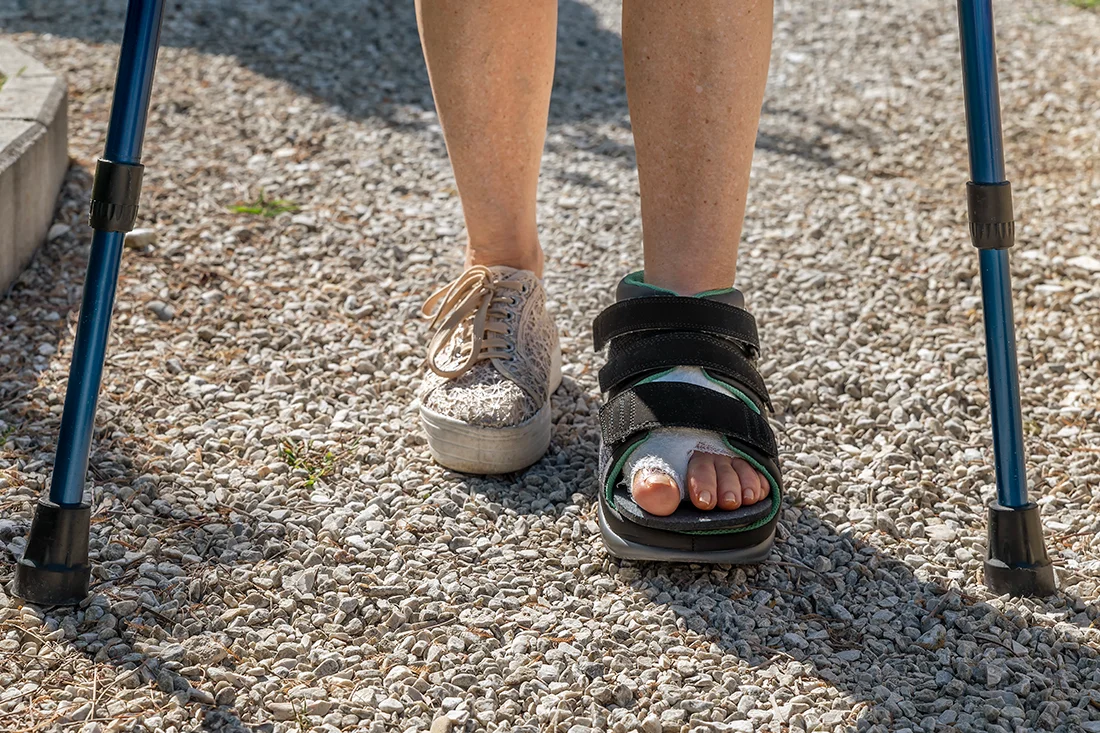
Wondering when you can walk, work or exercise after bunion surgery? Recovery timelines can vary depending on your procedure and healing progress. Learn what to expect as you gradually return to your usual activities.
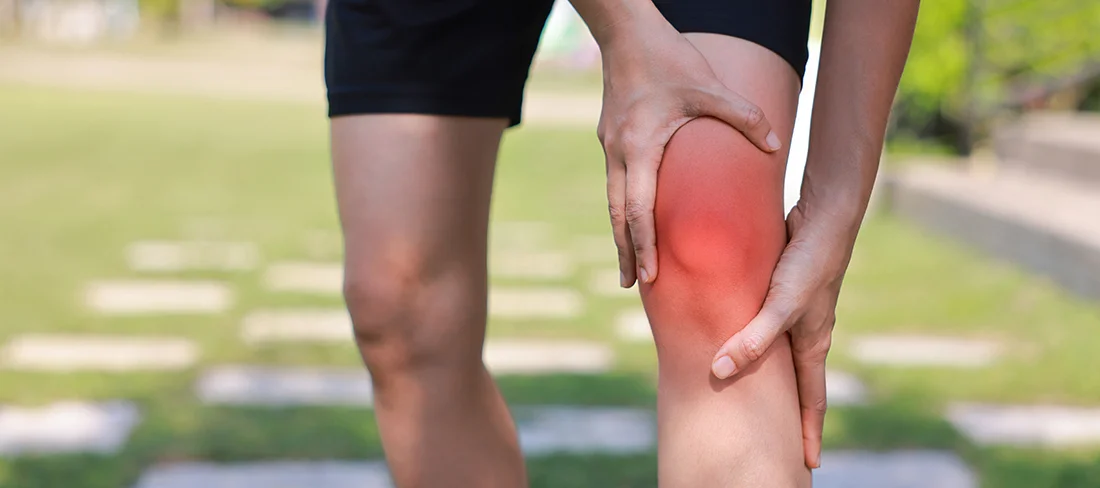
Can damaged knee cartilage actually heal on its own? Its natural ability to repair is limited, but that does not mean every injury requires surgery. Find out what influences recovery and when cartilage restoration may be considered.
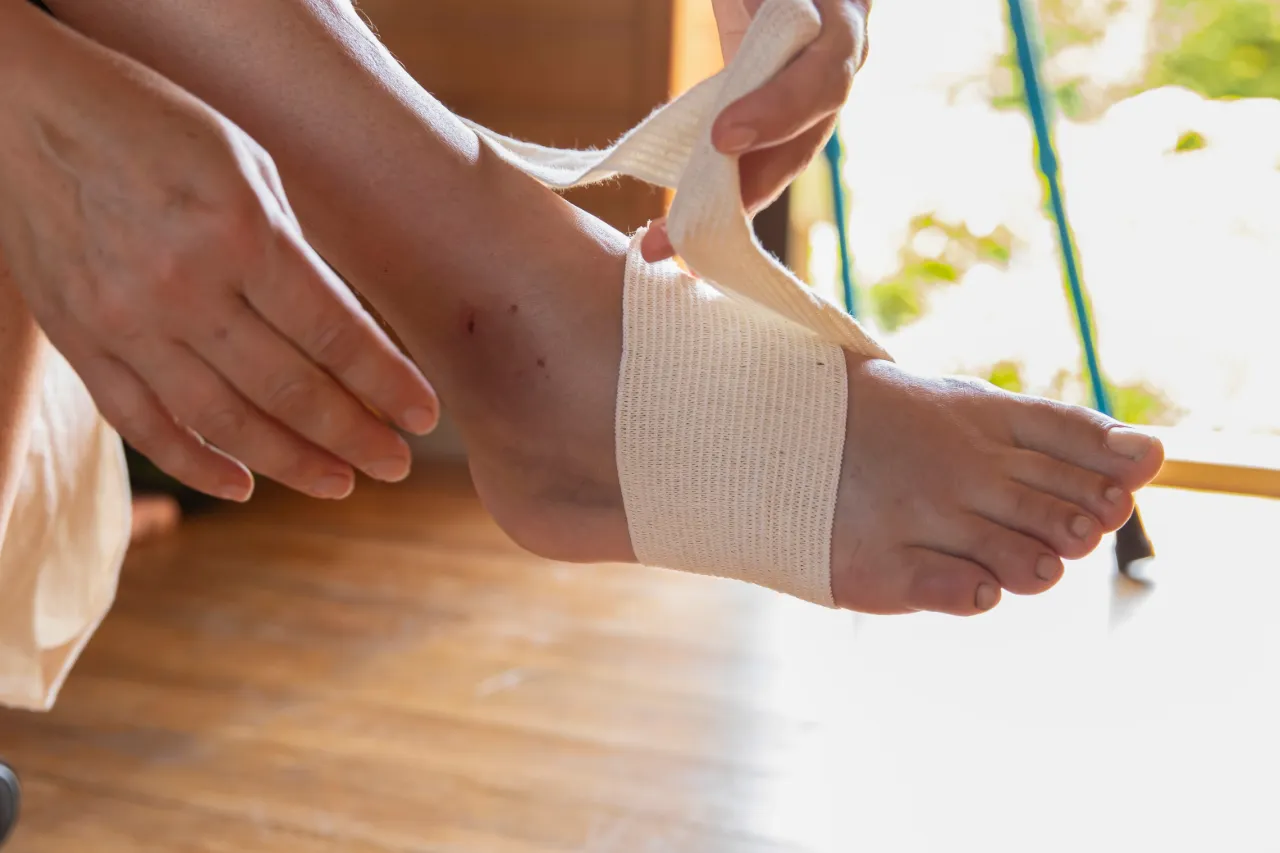
Ankle sprains can recover at different rates depending on injury severity and other factors. Learn what a typical recovery timeline may look like, why healing can take longer and which signs may indicate that specialist evaluation is advisable.

Pain after pickleball may be more than temporary soreness, particularly when it persists or affects movement. Learn about common pickleball injuries, when orthopaedic care may be appropriate and practical ways to reduce your risk.
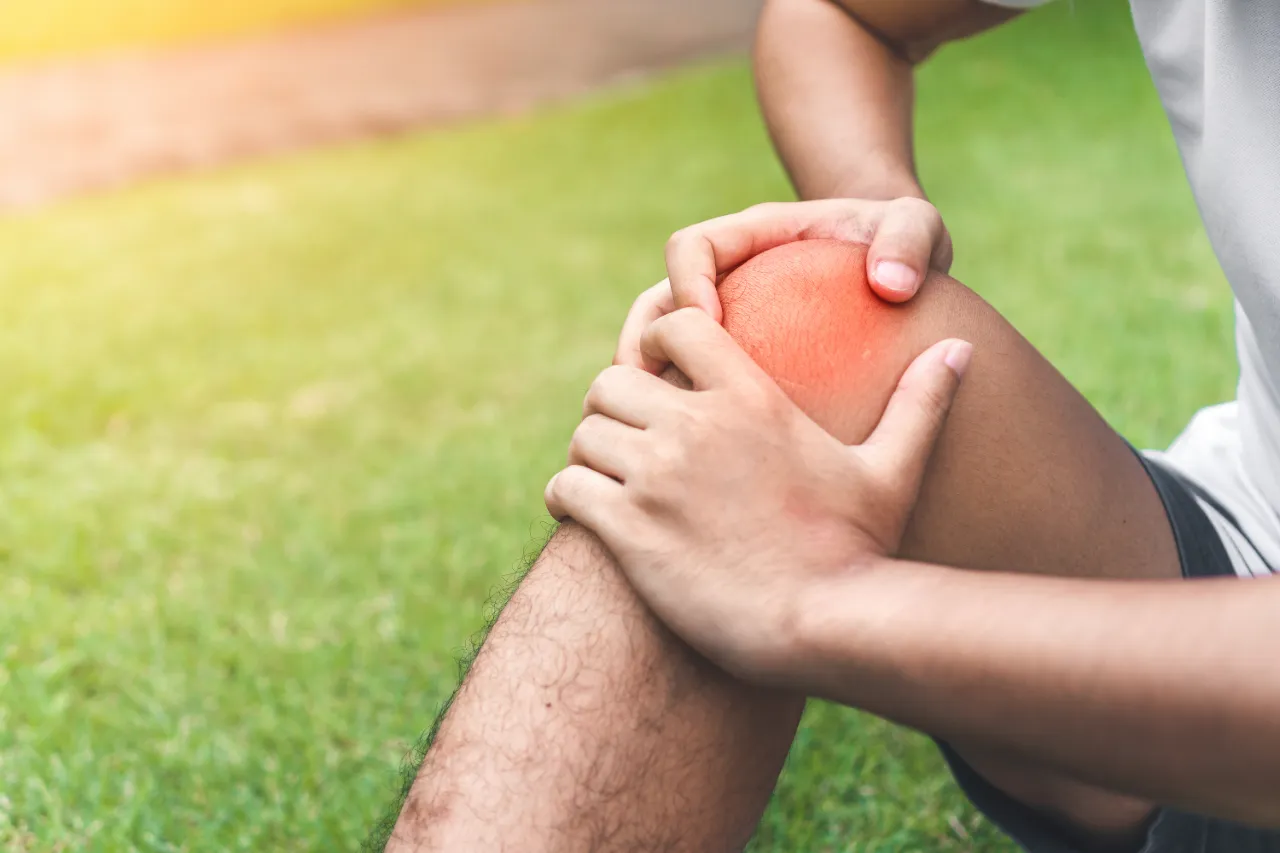
When a meniscus tear requires surgery, the choice between repair and partial meniscectomy depends on several clinical factors. Learn how the procedures differ and what orthopaedic surgeons consider when planning treatment.
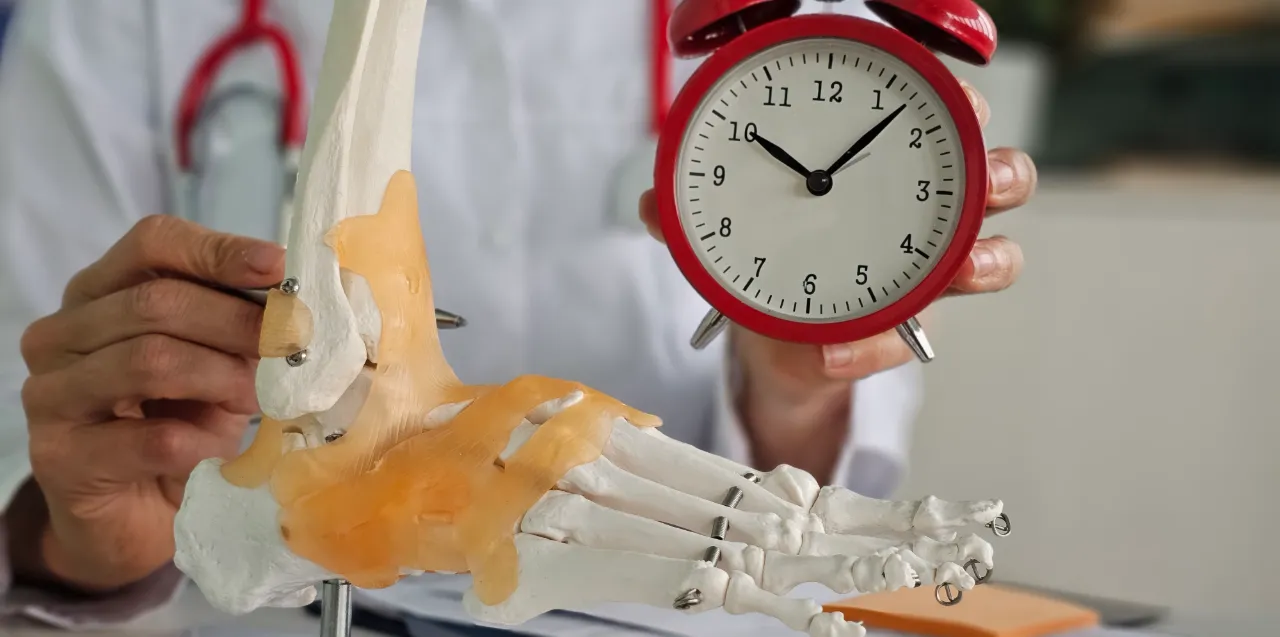
Foot and ankle problems can affect walking, exercise and daily activities. Learn about common conditions, why pain or other symptoms may not improve as expected and the signs that may indicate a need for specialist assessment.
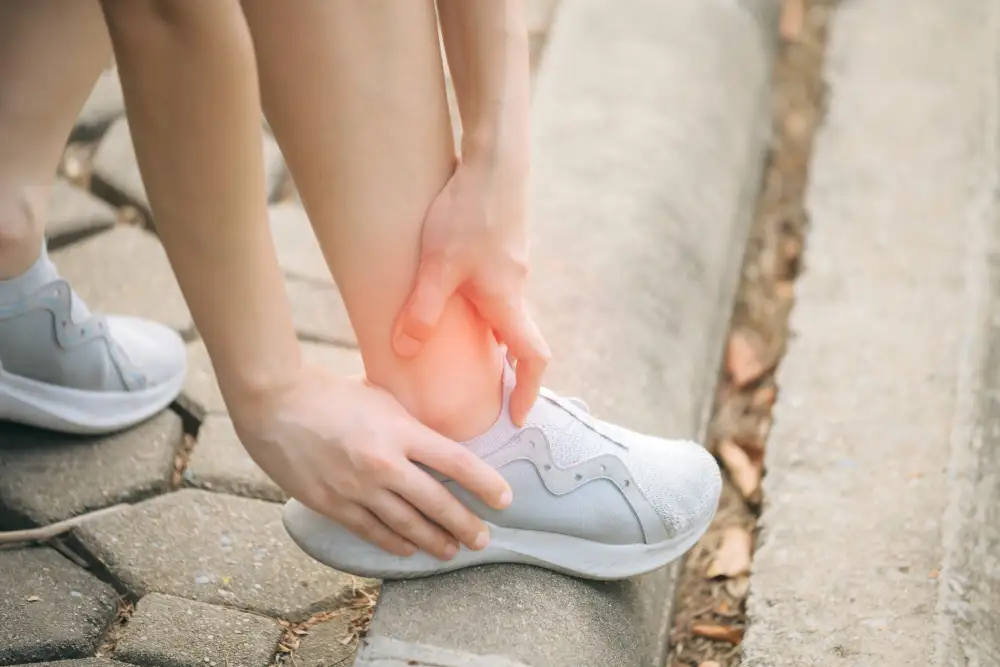
Foot and ankle pain can affect mobility and daily activities. Learn when symptoms may require specialist care, what conditions are commonly diagnosed and how early assessment can support appropriate treatment and long-term joint health.
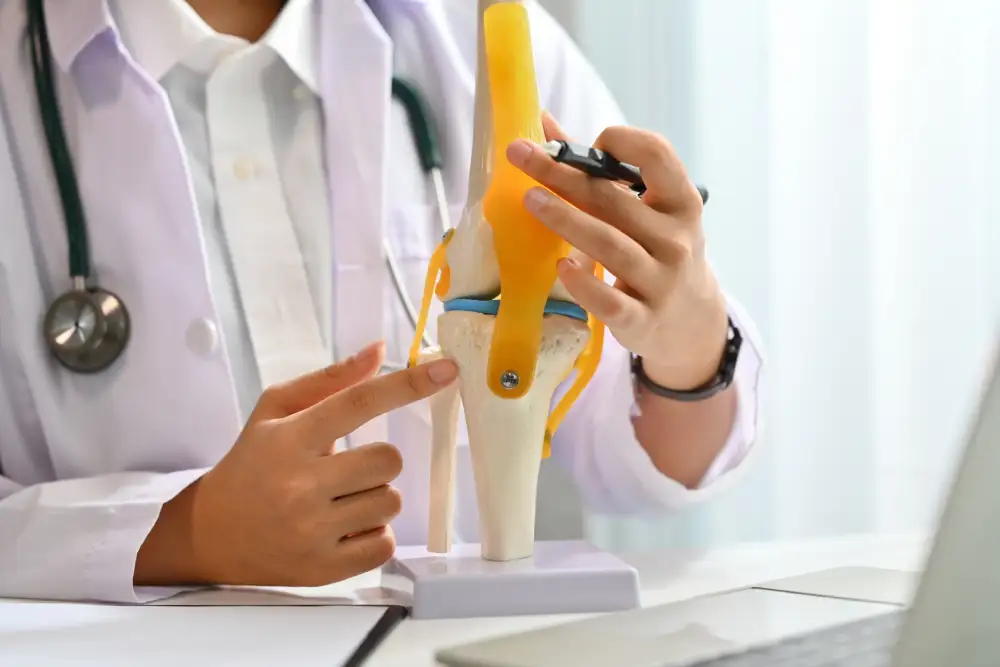
Experiencing joint pain, a sports injury or ongoing musculoskeletal discomfort? Learn what to expect during your first orthopaedic consultation, from the initial assessment to the physical examination and next steps. Contact Dr Kevin Koo to arrange an appointment.
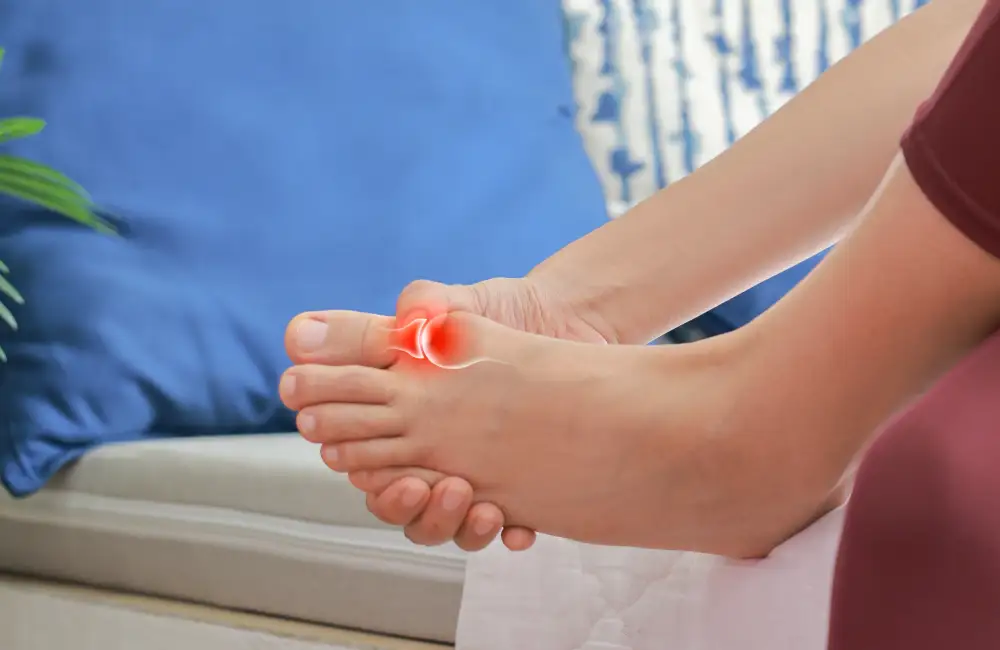
Persistent bunion pain, difficulty wearing shoes or worsening foot deformity may indicate the need for specialist assessment. Learn when bunion surgery may be appropriate, what specialists assess and how treatment is tailored to your condition.
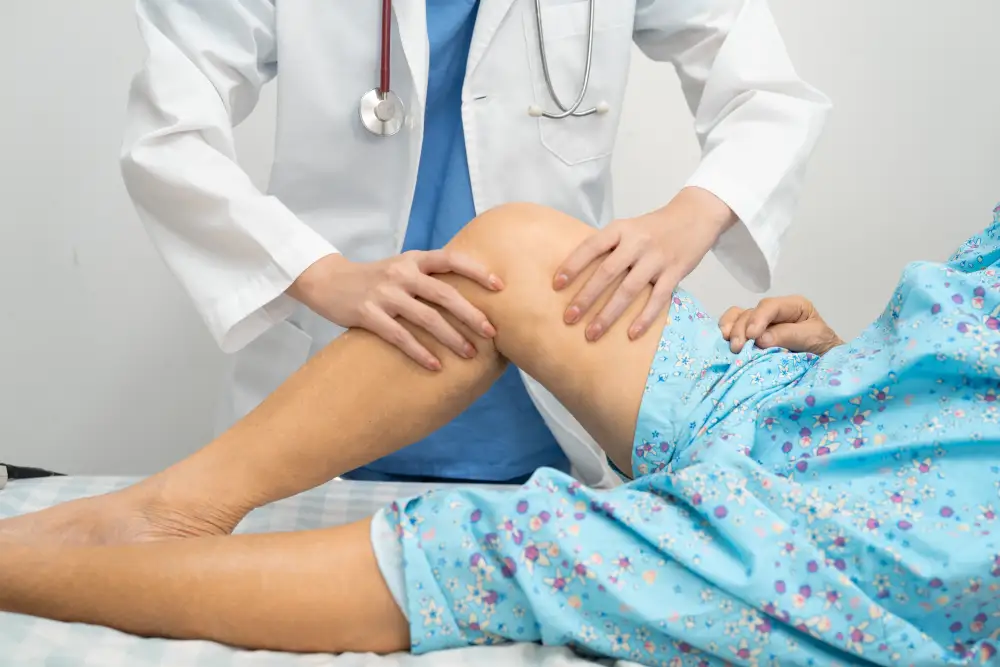
Choosing the right orthopaedic surgeon starts with understanding what matters most. Learn how experience, assessment and communication can help you make an informed decision. Contact Dr Kevin Koo to arrange a consultation.
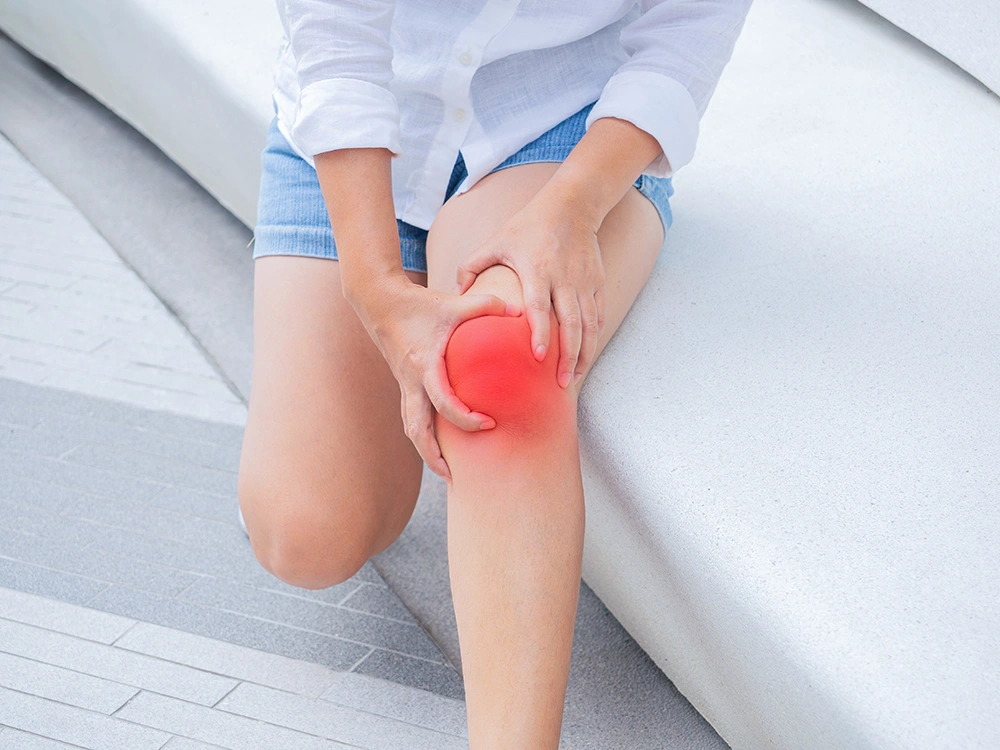
Persistent knee pain can affect mobility and daily activities. Learn how specialist assessment at a knee clinic can identify underlying causes and guide treatment options to support better movement, symptom relief and long-term joint health.
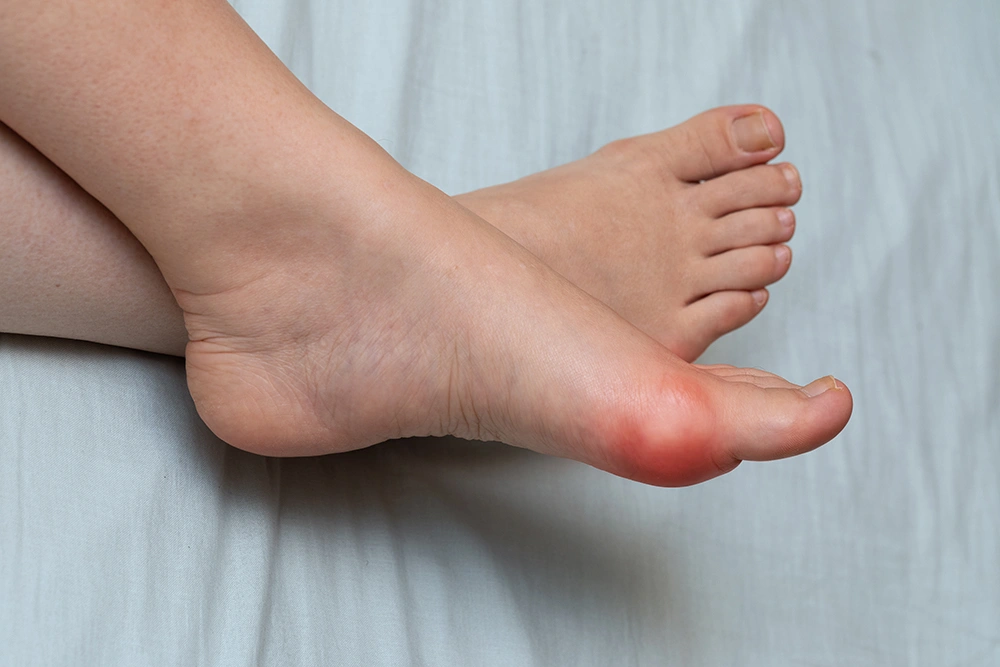
Recovering from bunion surgery requires more than rest alone. Learn practical recovery tips to reduce discomfort, manage swelling and support healing safely. Understand what to expect after surgery and when to seek medical attention.
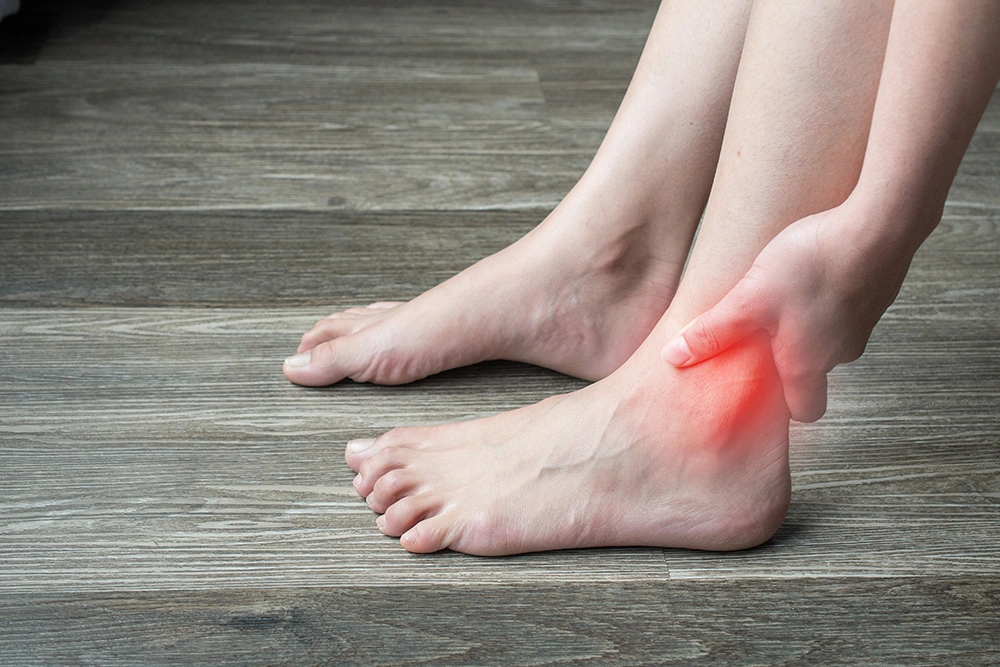
Foot and ankle arthritis can affect comfort and mobility over time. Learn practical strategies that may help support joint health, reduce stress on the joints and understand factors that may influence arthritis risk.
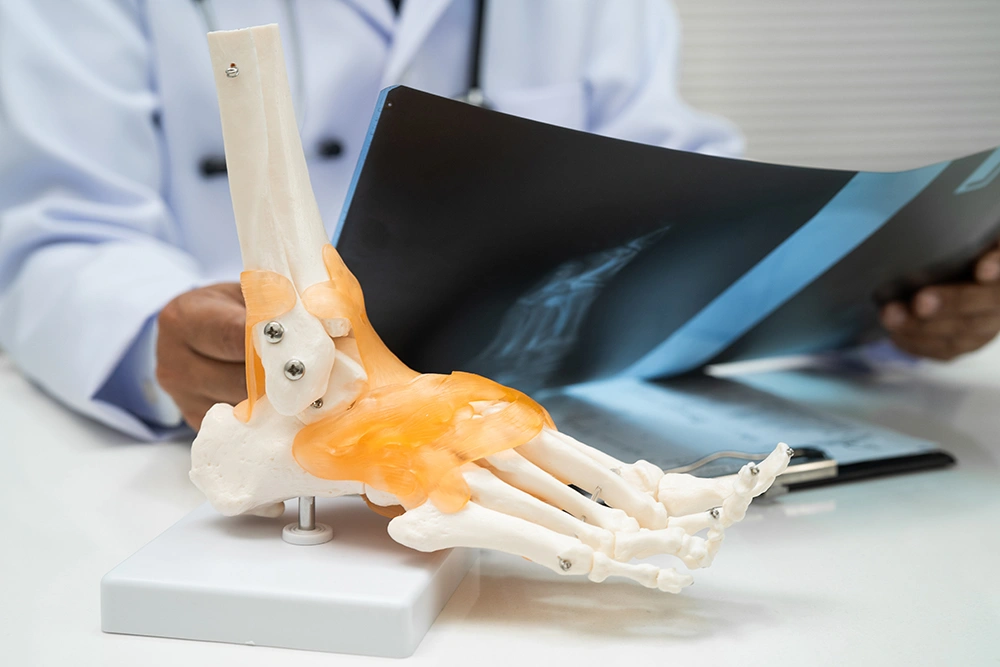
Considering ankle surgery for ongoing pain or arthritis? Learn the differences between ankle replacement and ankle fusion, including key considerations and factors that may influence which option could be more suitable for your condition.

Prevent HYROX injuries with specialised orthopaedic care in Singapore. Learn how to train safely, manage pain and recover effectively with personalised treatment from Dr Kevin Koo.
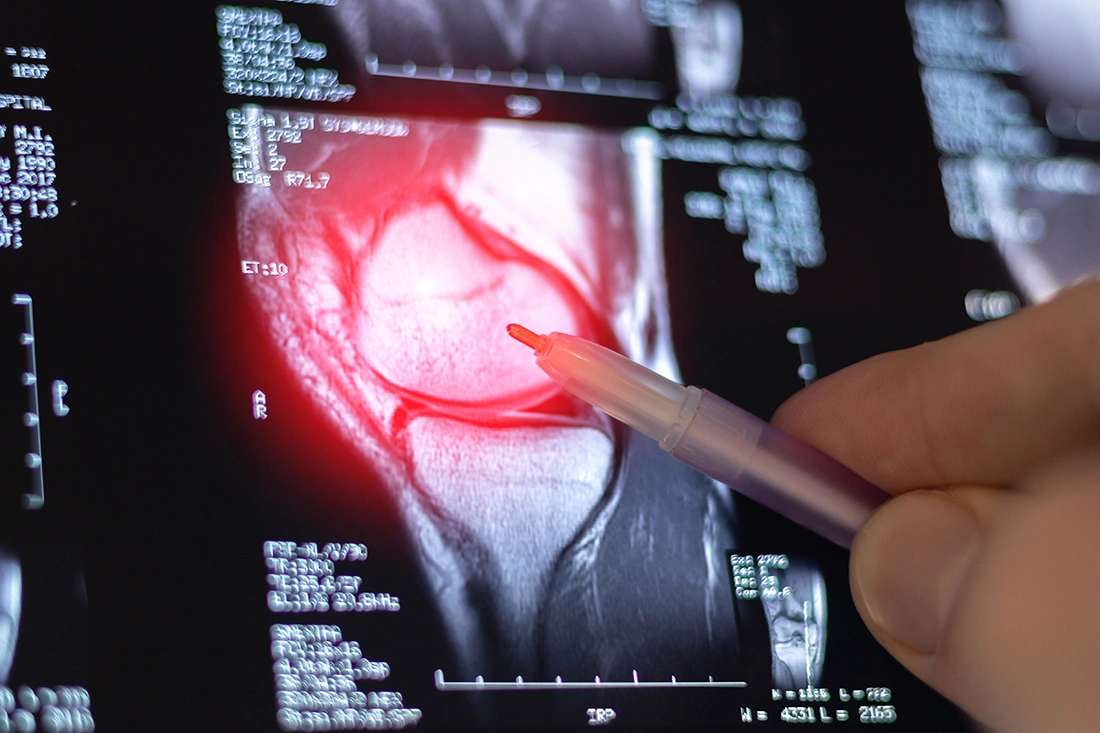
Not sure whether you need an X-ray or MRI for knee pain? Learn how orthopaedic surgeons decide the right scan for accurate diagnosis and treatment.
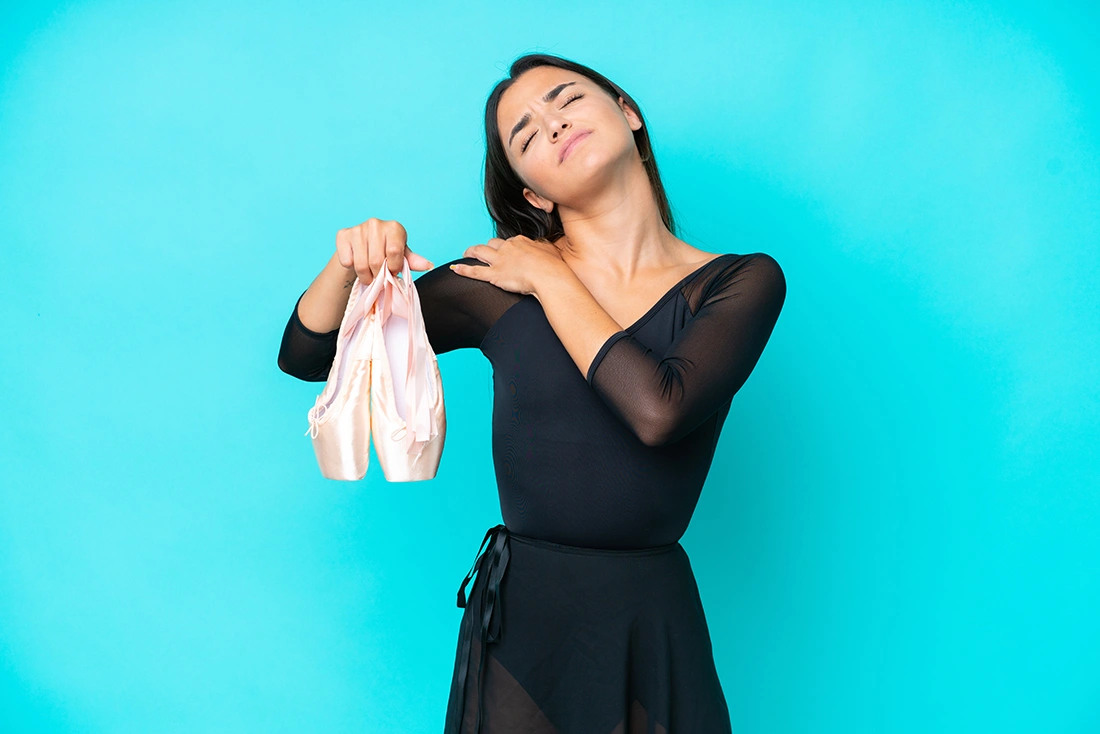
Not all minor pain is harmless. Discover how early symptoms in sports and dance can lead to injury and when to seek proper evaluation.
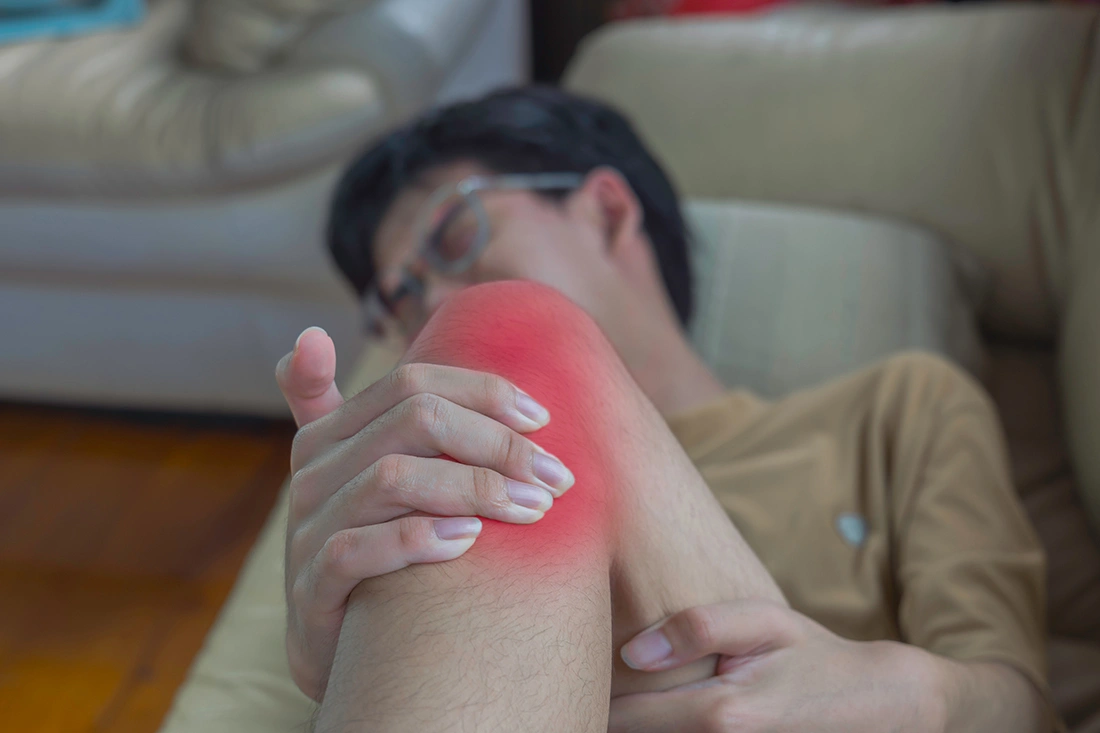
Not all knee pain resolves with rest and physiotherapy. Discover why symptoms persist and when to seek further evaluation for effective treatment.
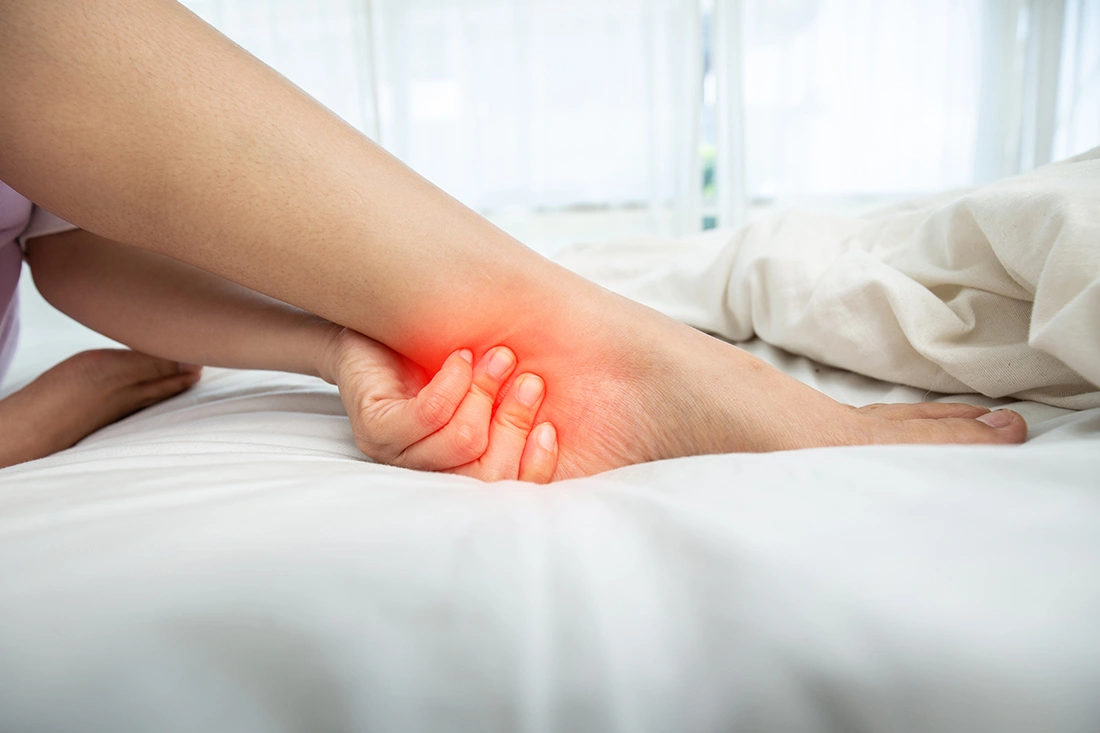
Not all ankle pain improves with rest. Discover when further evaluation and imaging can help identify the cause and guide treatment.
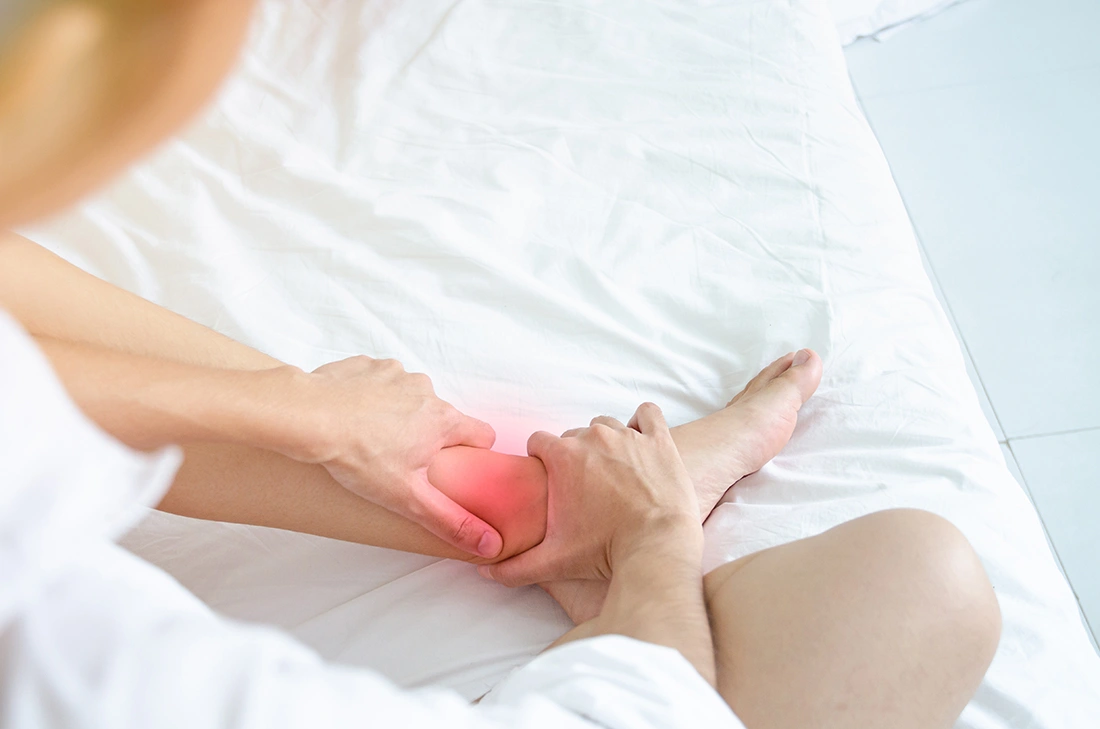
Ankle cartilage damage can cause ongoing pain, swelling and instability if left untreated. Learn the key symptoms to watch for and when to consult a specialist in Singapore for early diagnosis and personalised care.
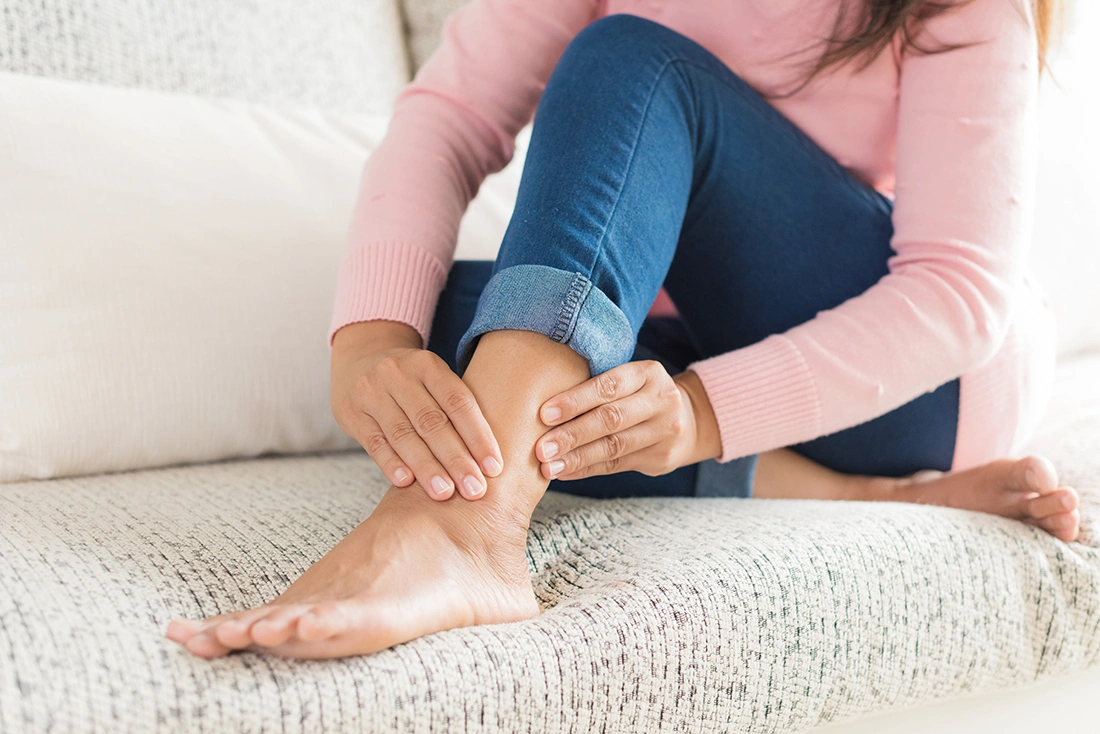
Ankle arthritis can cause persistent pain, swelling, and reduced movement. Discover the early warning signs, causes, and treatment options in Singapore for improved joint health and mobility.
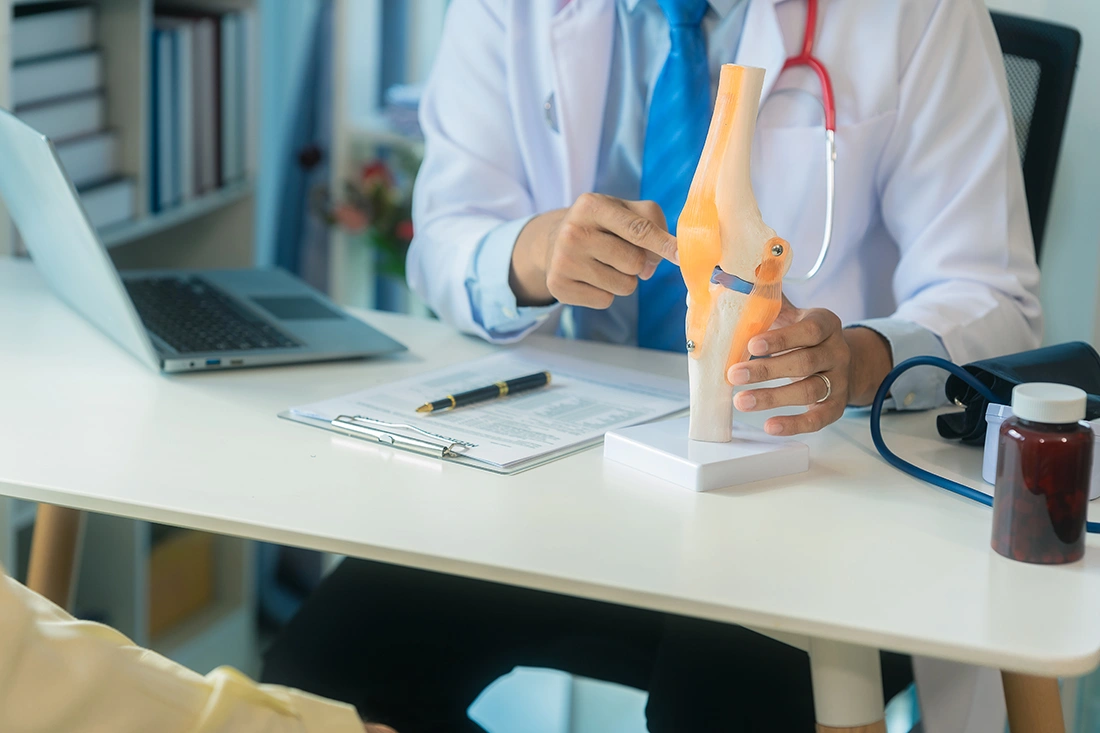
Looking for the right orthopaedic doctor in Singapore? Learn what to consider, from expertise to patient care, and explore personalised treatment options at The Bone & Joint Centre.
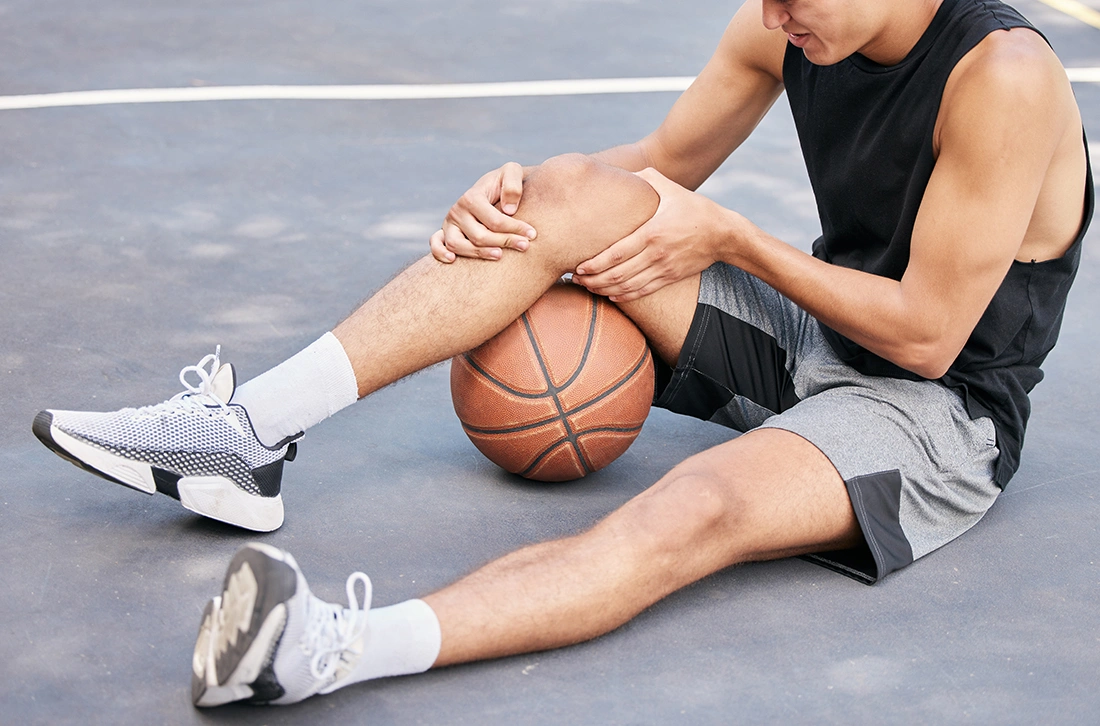
Wondering if RICE is still the best approach for sports injuries? Learn when to see a sports injury specialist and get personalised treatment at The Bone & Joint Centre under Dr Kevin Koo Oon Thien.
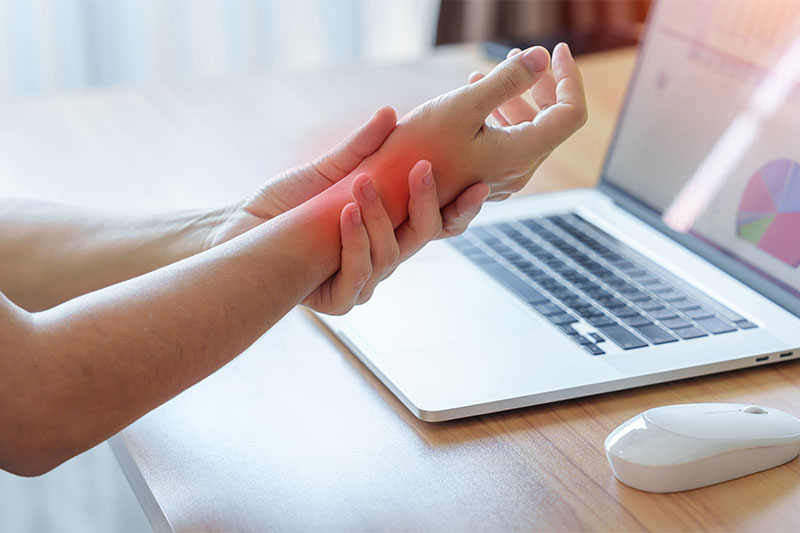
Experiencing tingling fingers or dropping objects more often? These subtle symptoms could be early signs of carpal tunnel syndrome. Learn what to look out for and when to seek medical advice before symptoms progress. Read more to stay informed.
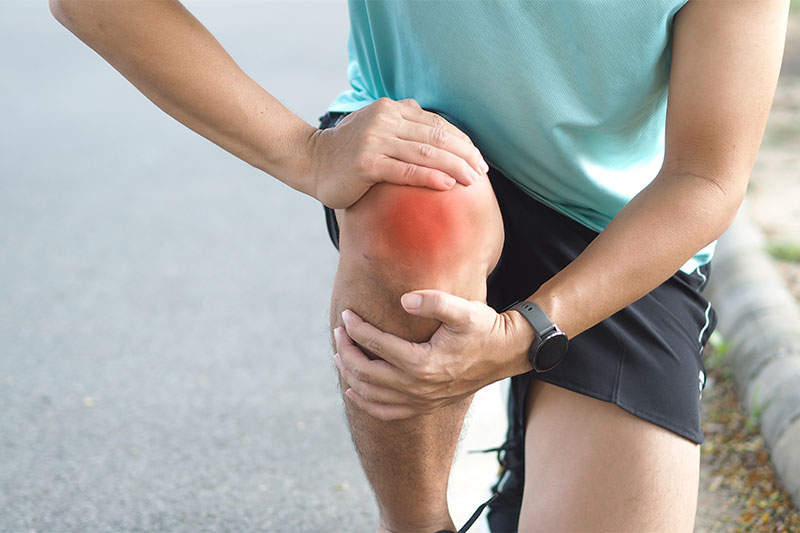
Knee pain affecting your daily routine? Surgery may not be the first step. Learn which treatments truly help reduce discomfort, improve strength and support recovery before considering an operation. Read more to explore your options.
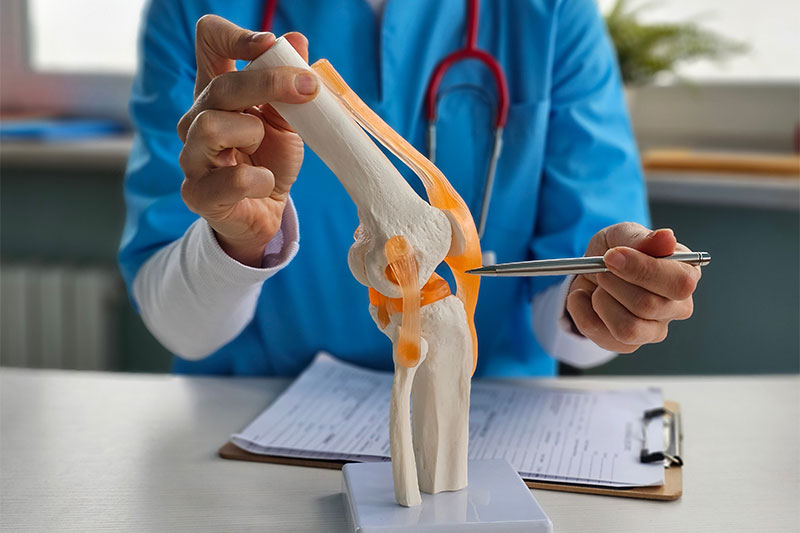
Wondering how life changes after knee cartilage surgery? From swelling and pain management to physiotherapy and long-term joint care, this guide helps you understand the recovery process and what to expect on your journey back to mobility.
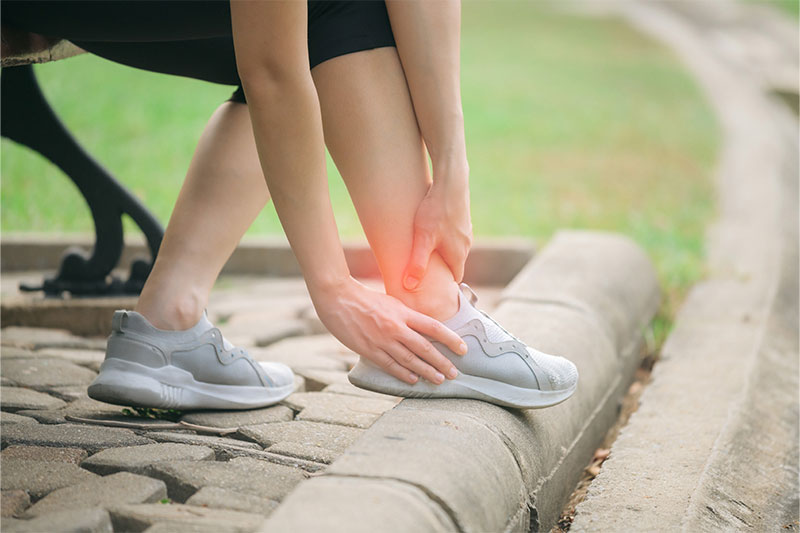
Ankle pain not settling after a sprain? Discover why discomfort can linger, what may be happening inside the joint,and how the right treatment approach supports full recovery. Read more to understand when to seek professional advice.
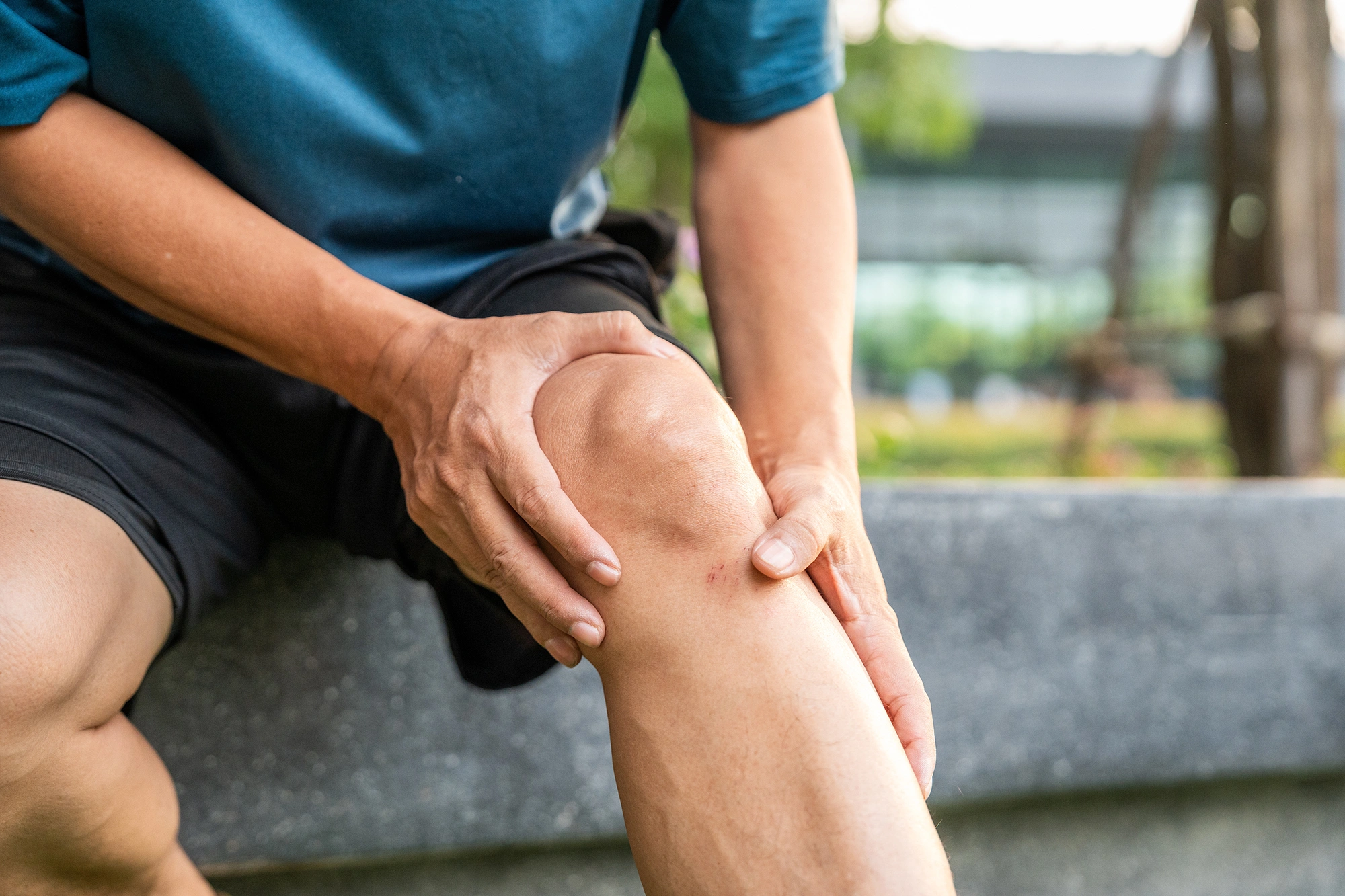
Knee pain is one of the most common musculoskeletal complaints people experience, regardless of age or activity level. For some, it starts suddenly after a sports injury. For others, it develops gradually, making everyday activities like climbing stairs or walking uncomfortable. Because the knee is a complex joint that bears much of the body’s weight, pain in this area can have a wide range of underlying causes.
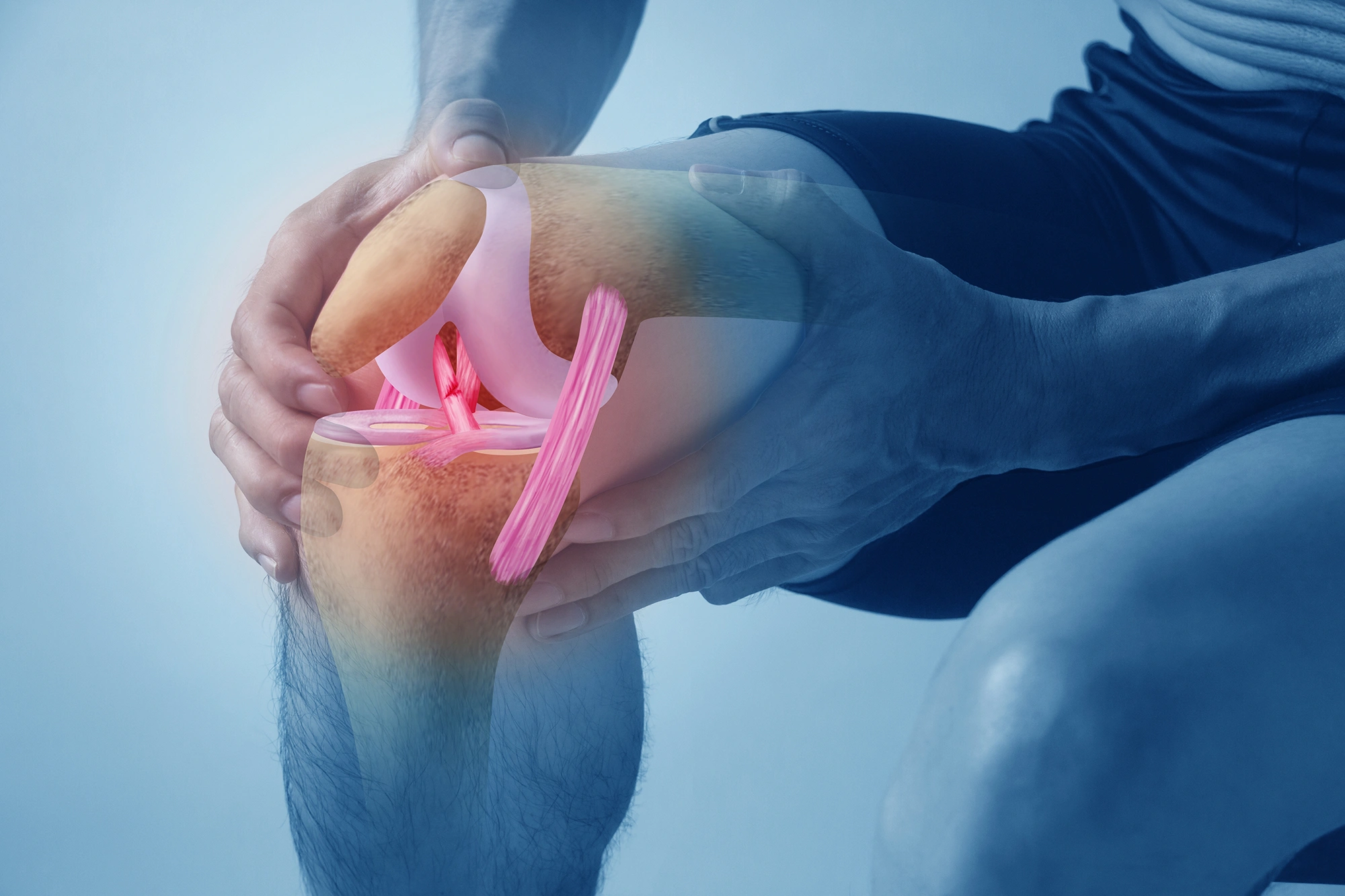
The anterior cruciate ligament (ACL) is one of the most commonly injured structures in the knee. Athletes and active individuals are especially at risk, but ACL injuries can happen to anyone—from a weekend jogger to someone who slips while walking on uneven ground.
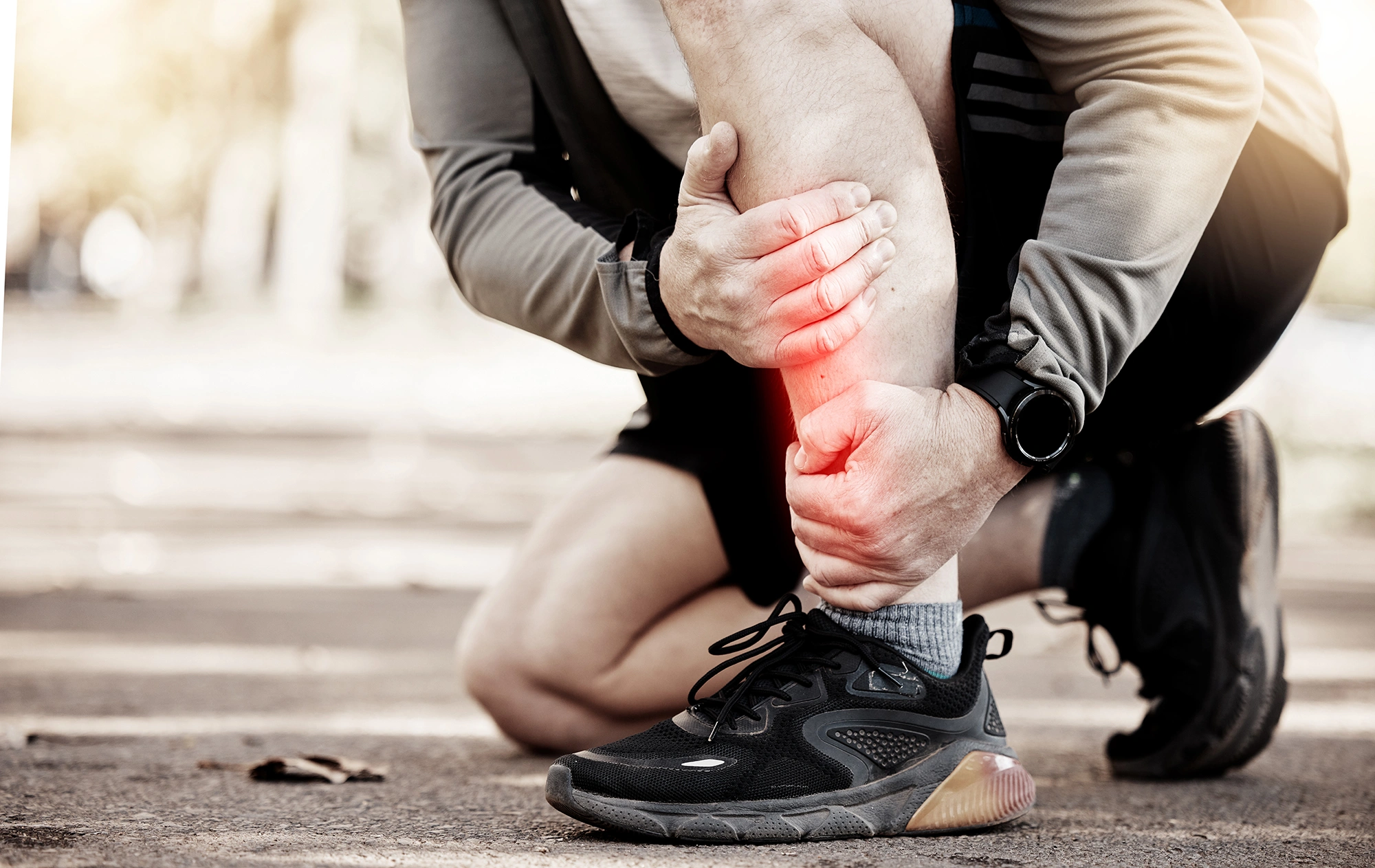
Bone injuries aren’t always the result of a sudden accident. Sometimes, they develop gradually without a single dramatic event. Stress fractures, in particular, are tiny cracks in the bone that occur when repetitive force overwhelms the bone’s ability to repair itself.
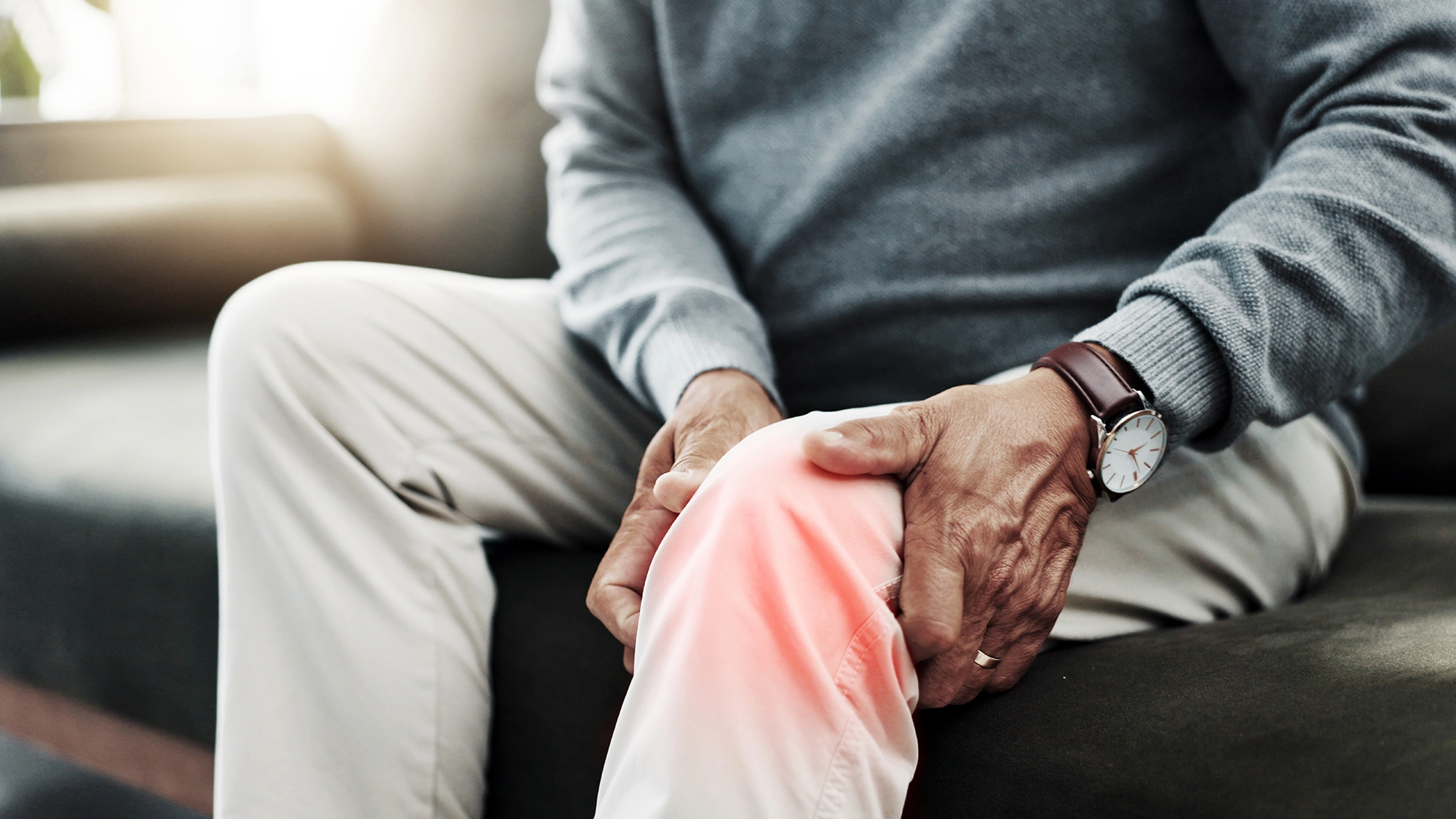
Arthritis is a condition that affects millions of people worldwide, causing pain, stiffness, and reduced mobility in the joints. While some types of arthritis are influenced by genetics and cannot be entirely prevented, lifestyle factors also play an important role in lowering risk and delaying onset.
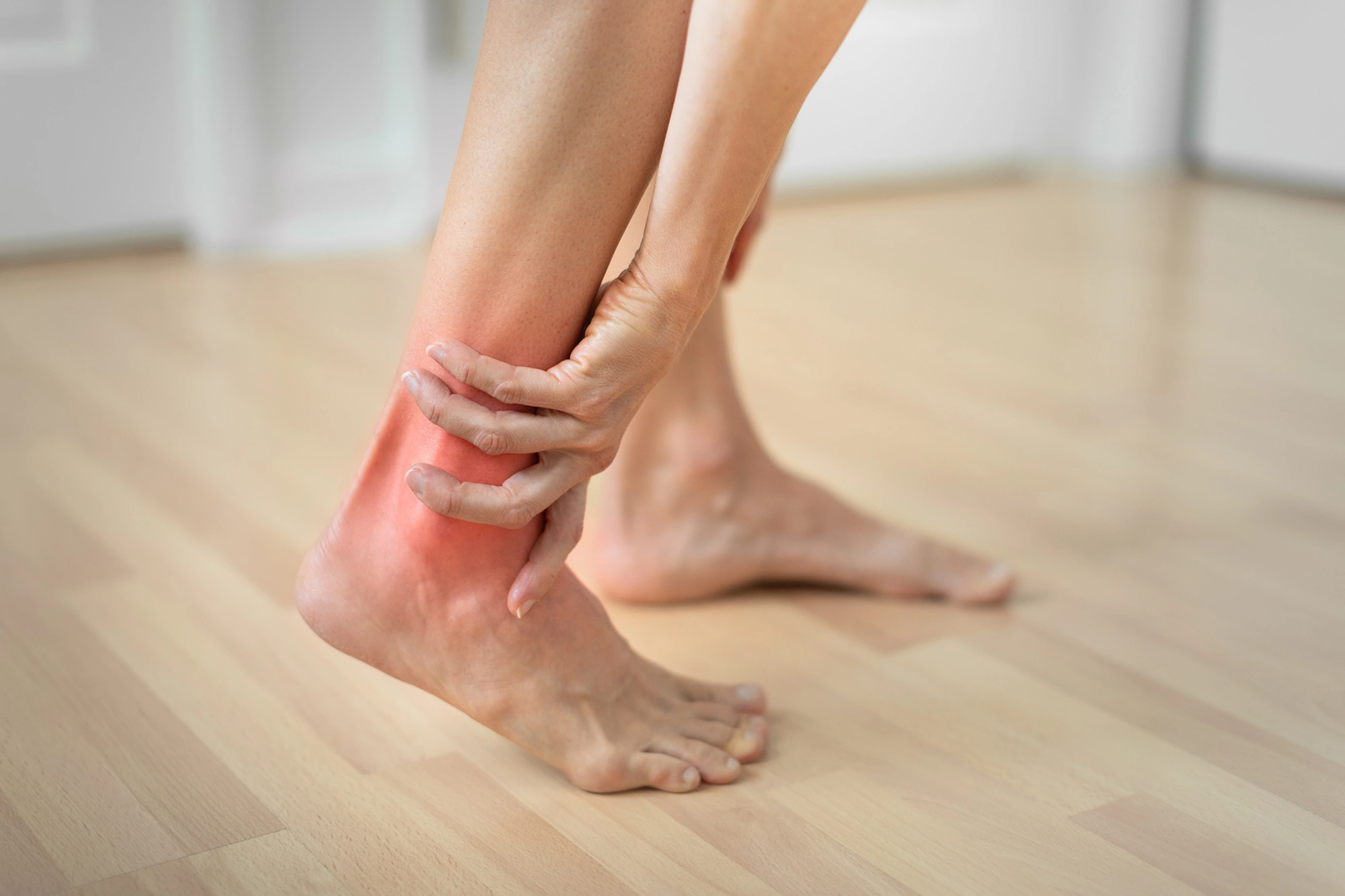
When an injury happens and pain and swelling set in, many people wonder: is it a broken bone, a sprained joint, or a strained muscle? Although terms like fracture, sprain, and strain are sometimes used interchangeably, they describe very different problems. Knowing the differences matters because treatment and recovery times vary. This article will explain the three types.
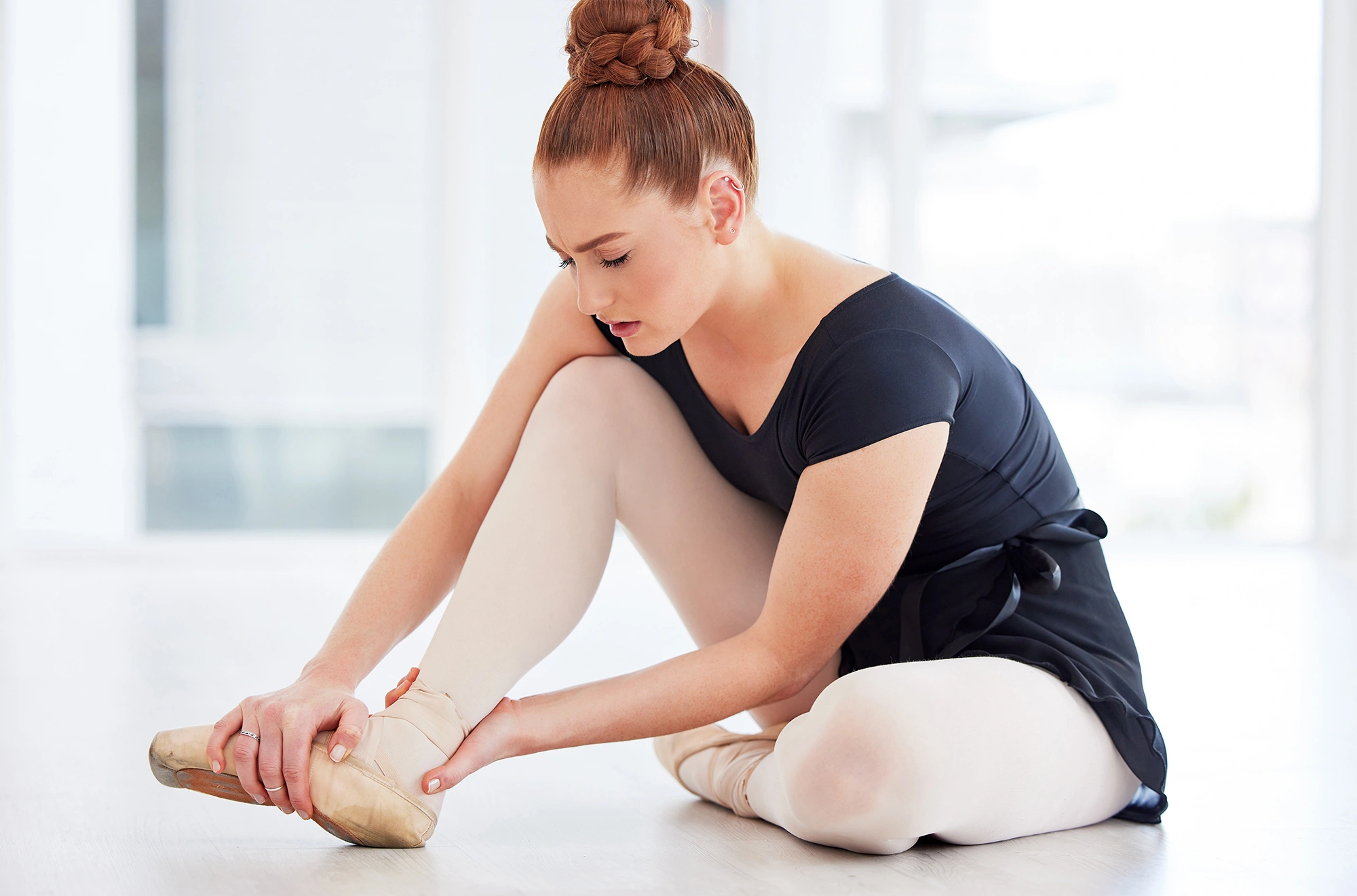
Dancing is a combination of art and athleticism. It requires strength, flexibility, coordination, and endurance. However, just like other physically demanding activities, dancing comes with a risk of injury. From ballet and jazz to hip-hop and contemporary, dancers often push their bodies to the limit, and repetitive movements or sudden strains can lead to pain or injury.
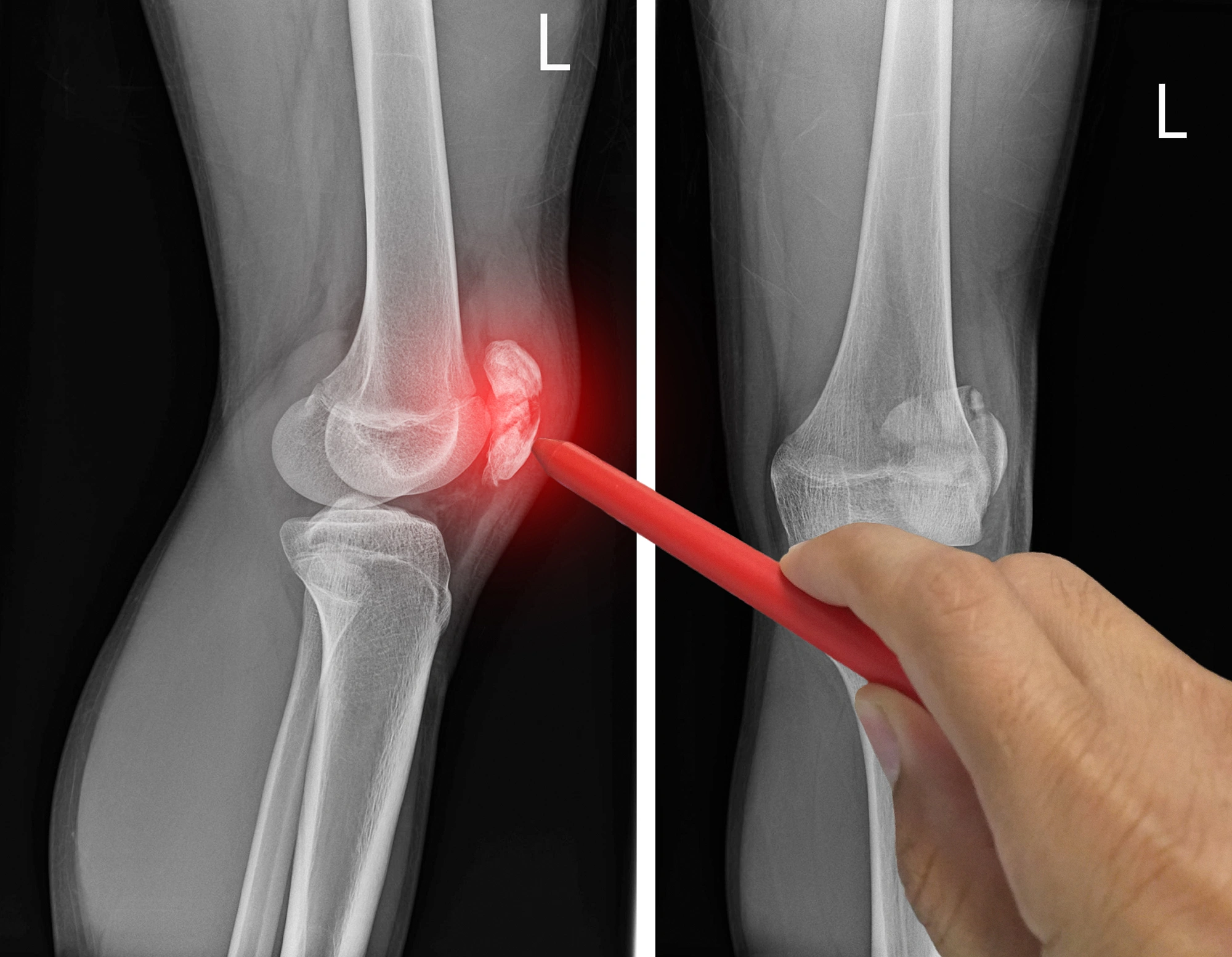
The kneecap, also known as the patella, is a small, triangular bone that plays a big role in the function of the knee joint. It protects the front of the knee and works with the thigh muscles to help extend the leg. When the patella is broken, it can significantly affect mobility and make even simple movements like walking, standing, or climbing stairs extremely painful.
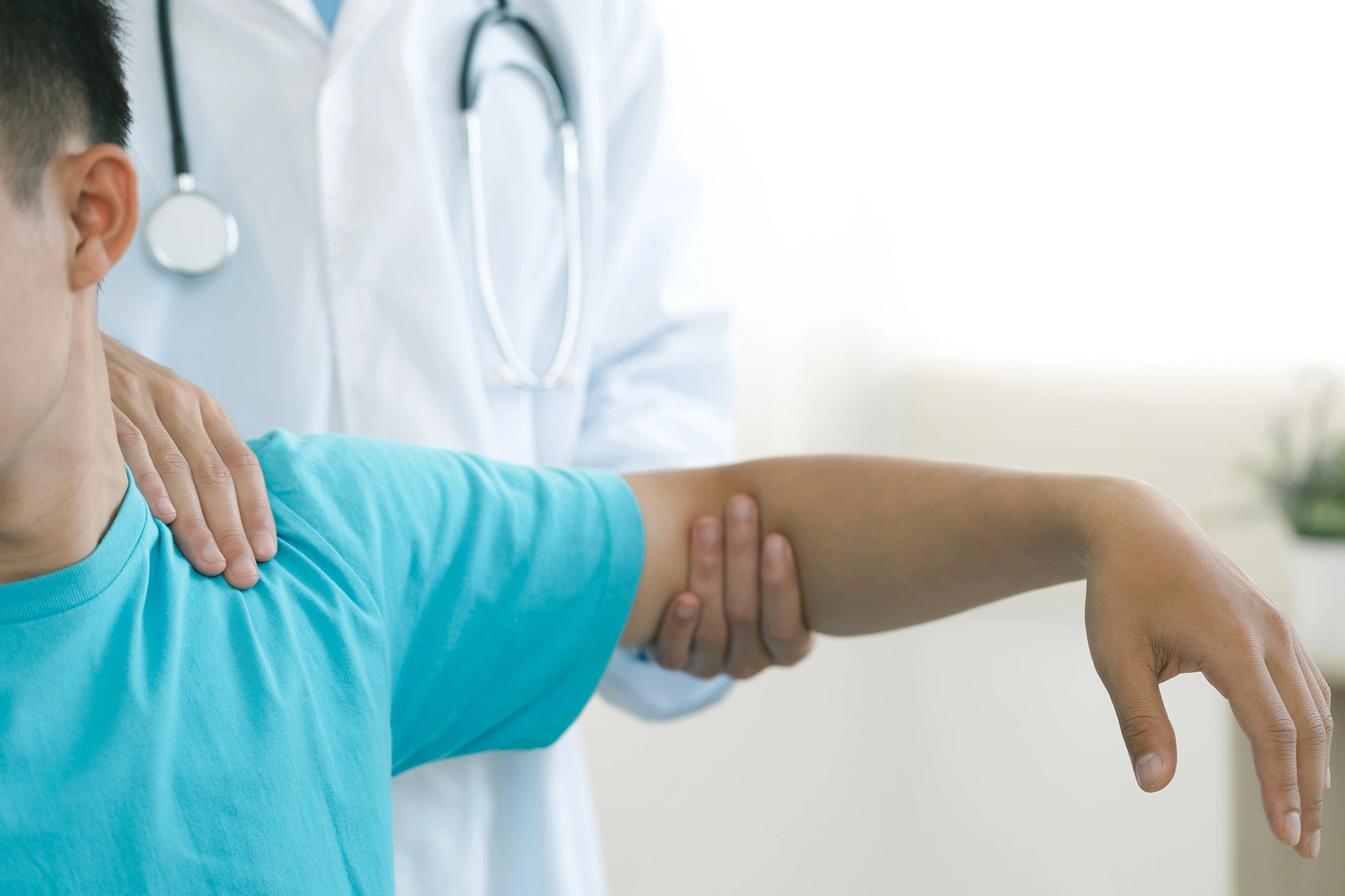
Shoulder pain is a common problem that can disrupt daily activities, sports, and sleep. One of the leading causes of persistent shoulder discomfort is a rotator cuff tear. This injury can range from a mild partial tear to a complete rupture and often leads to weakness, pain, and reduced mobility.
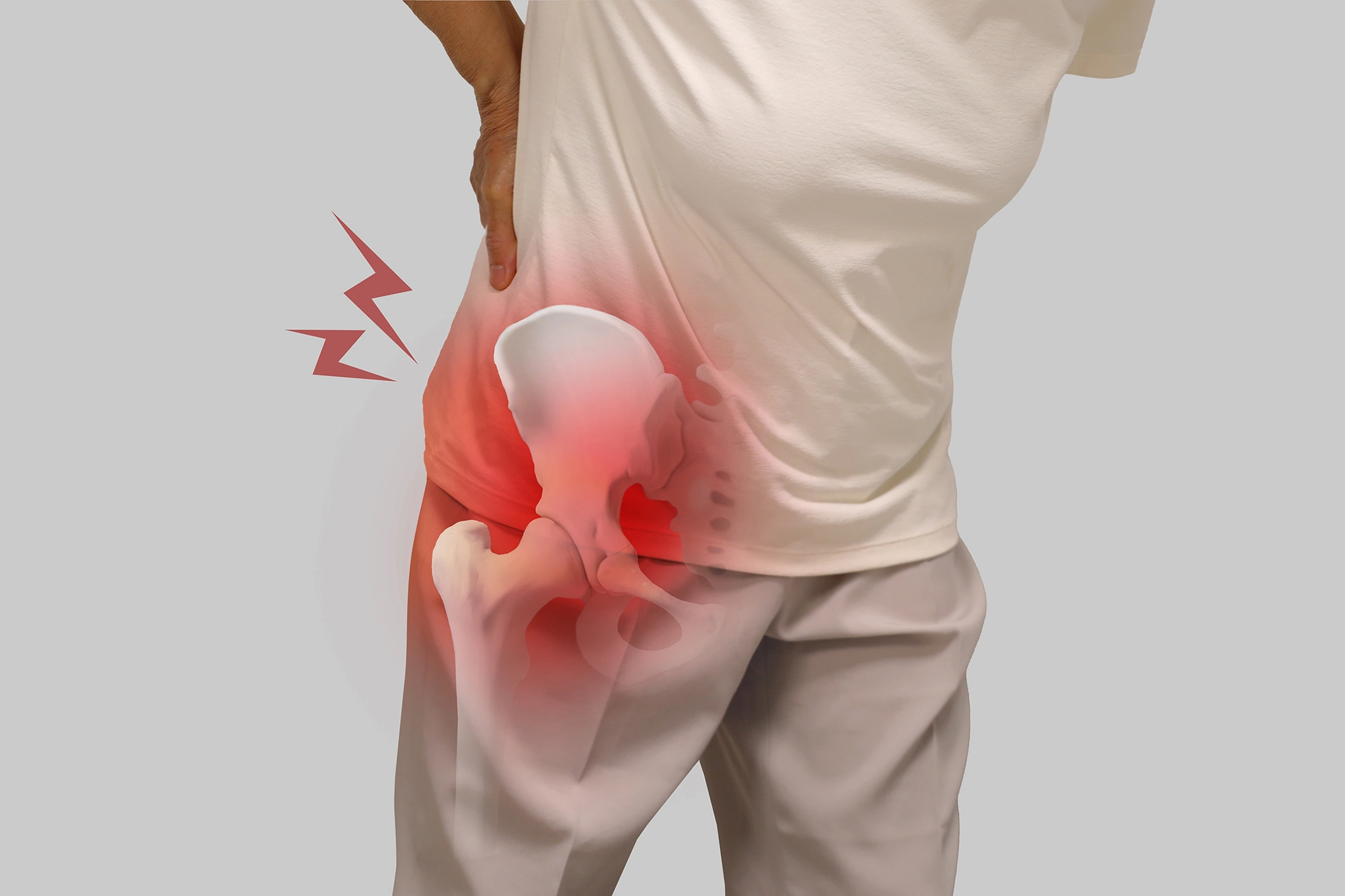
Hip pain can be caused by a wide range of conditions, from simple muscle strains to serious joint disorders. One lesser-known but potentially debilitating cause is avascular necrosis (AVN) of the hip. This condition can silently damage the hip joint over time, leading to arthritis and loss of mobility if not diagnosed and treated early.
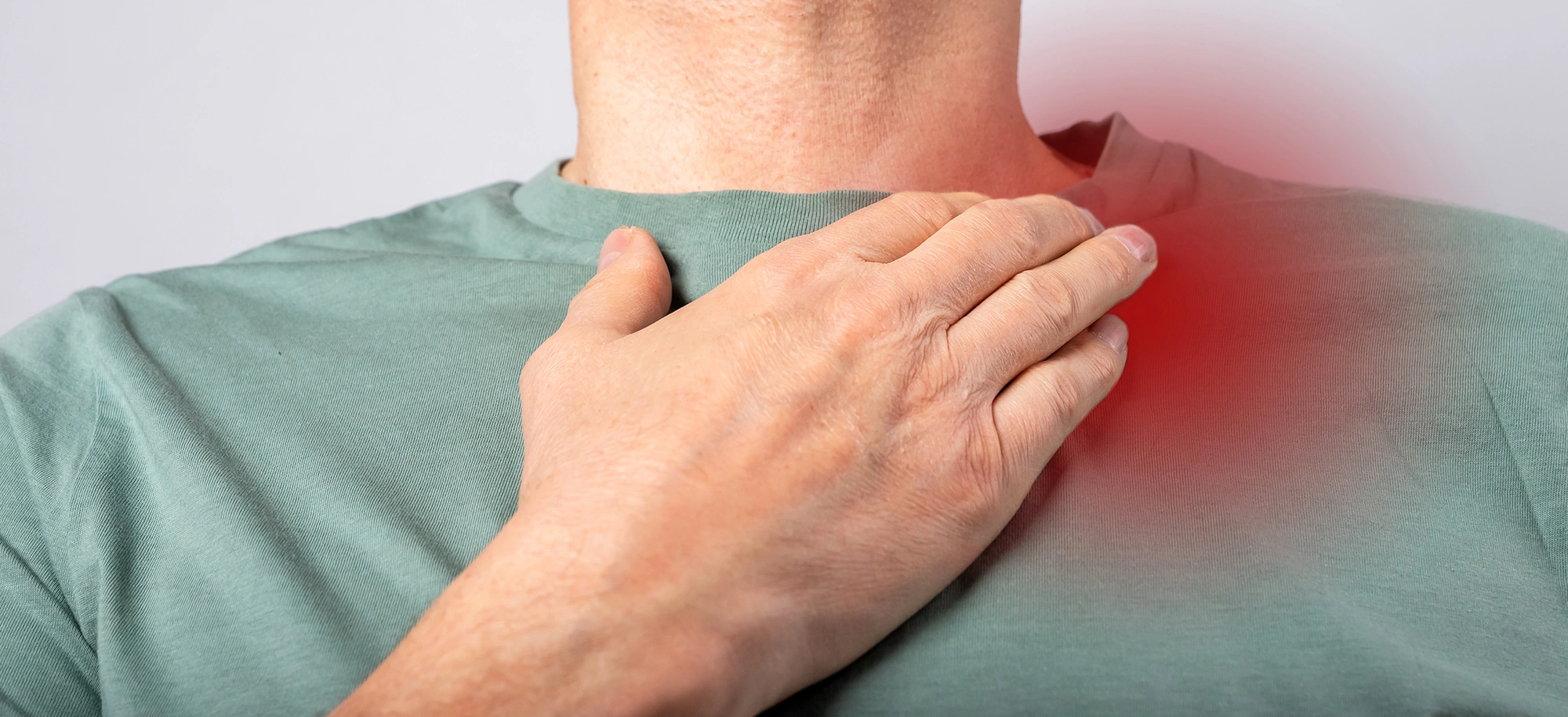
The clavicle, commonly known as the collarbone, is a slender bone that connects the breastbone (sternum) to the shoulder blade (scapula). It plays an important role in stabilizing the shoulder and allowing arm movement. Because of its location and exposure, the clavicle is one of the bones most likely to break, especially during falls, sports injuries, or vehicle accidents.

Engaging in sports and physical activity is an excellent way to maintain health, boost mental well-being, and build strength. However, along with the many benefits of staying active comes the risk of sports-related injuries. From amateur enthusiasts to professional athletes, no one is immune.

Undergoing sports surgery can be a daunting experience, especially for active individuals and athletes who are eager to return to the sports they love. While surgery is often a crucial step toward healing and restoring function, it’s just the beginning of the journey.
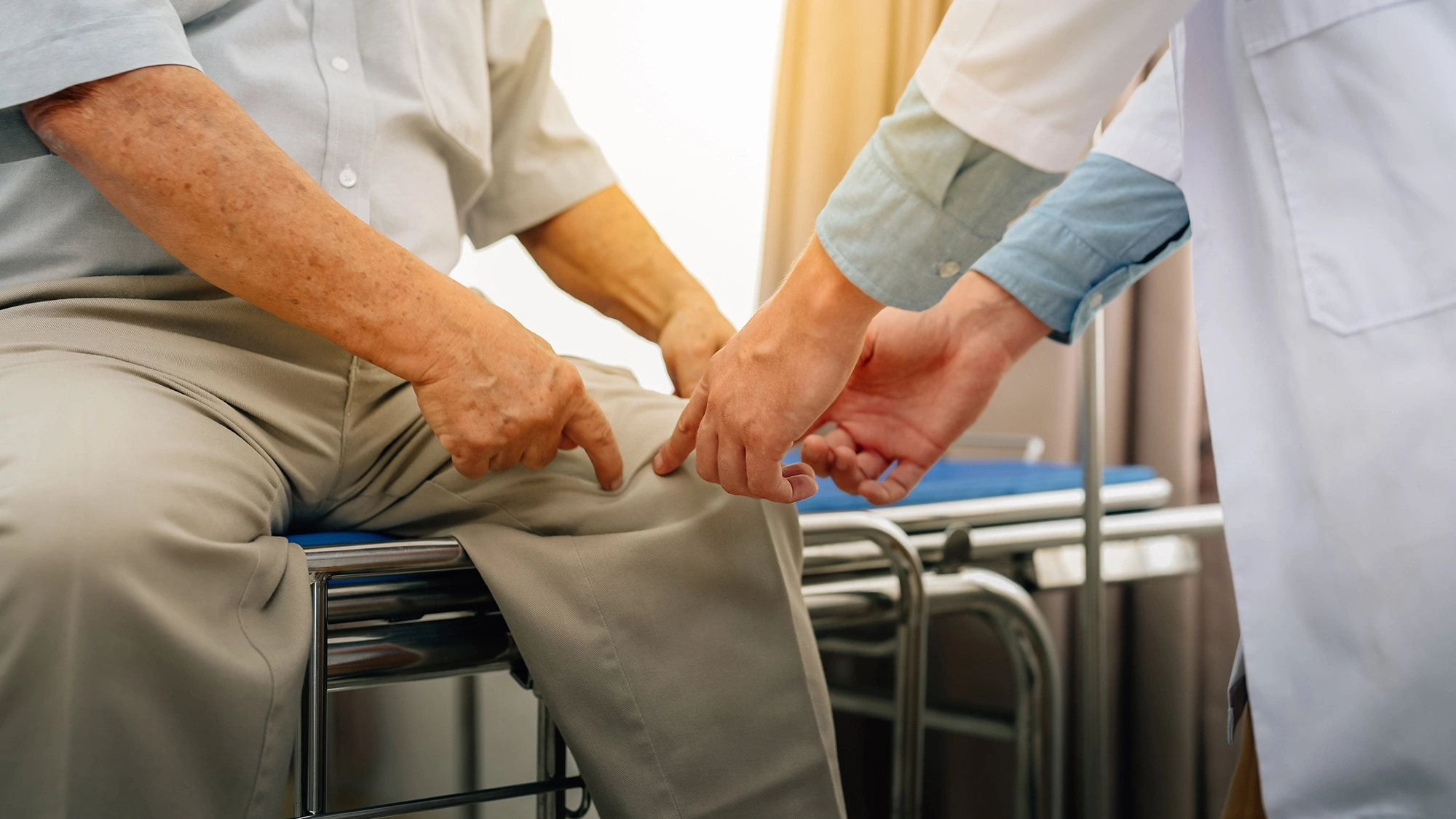
Osteoarthritis (OA) is one of the most common joint conditions, affecting millions worldwide. As the cartilage in joints wears down over time, individuals experience pain, stiffness, and reduced mobility. While early-stage osteoarthritis can often be managed with lifestyle changes, medication, and physiotherapy, severe cases may require surgical intervention.
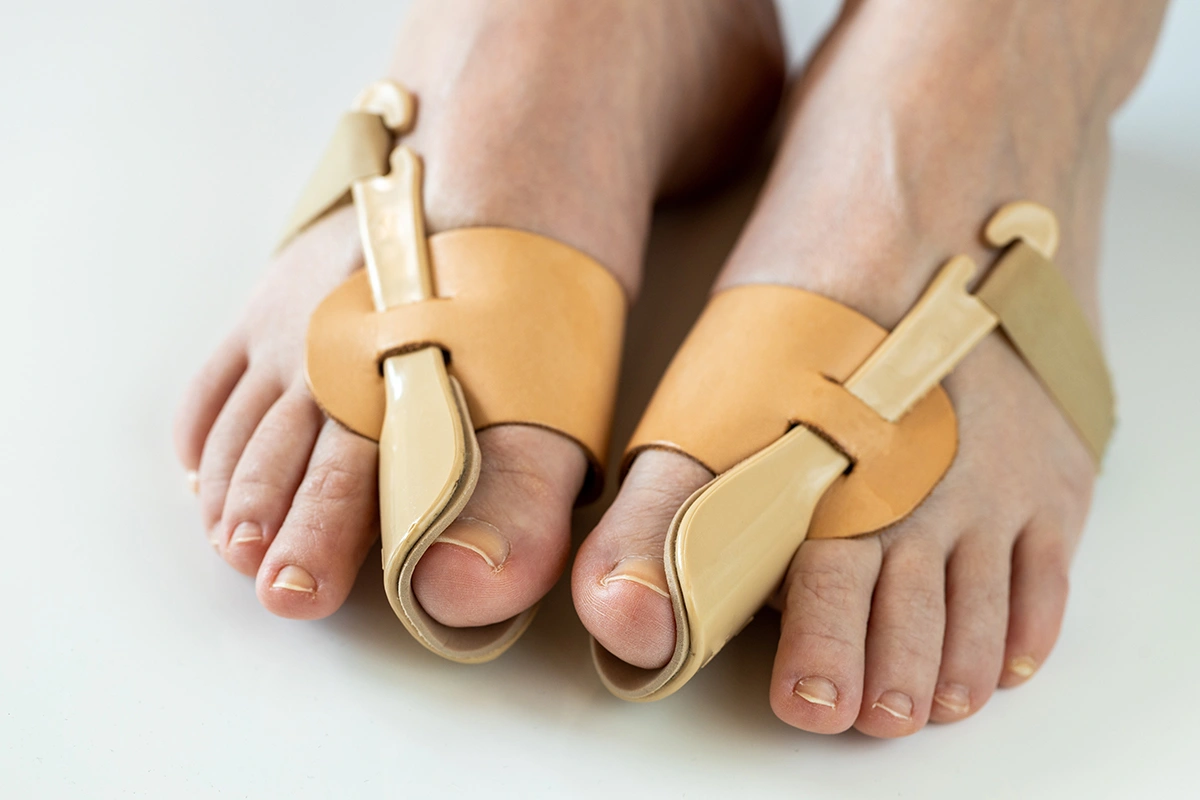
Bunions are bony deformities at the base of the big toe caused by joint pressure, leading to misalignment and pain. While symptoms can be managed with medication, orthotics, and footwear changes, bunion surgery in Singapore is the only permanent solution to correct the deformity and restore proper toe alignment.
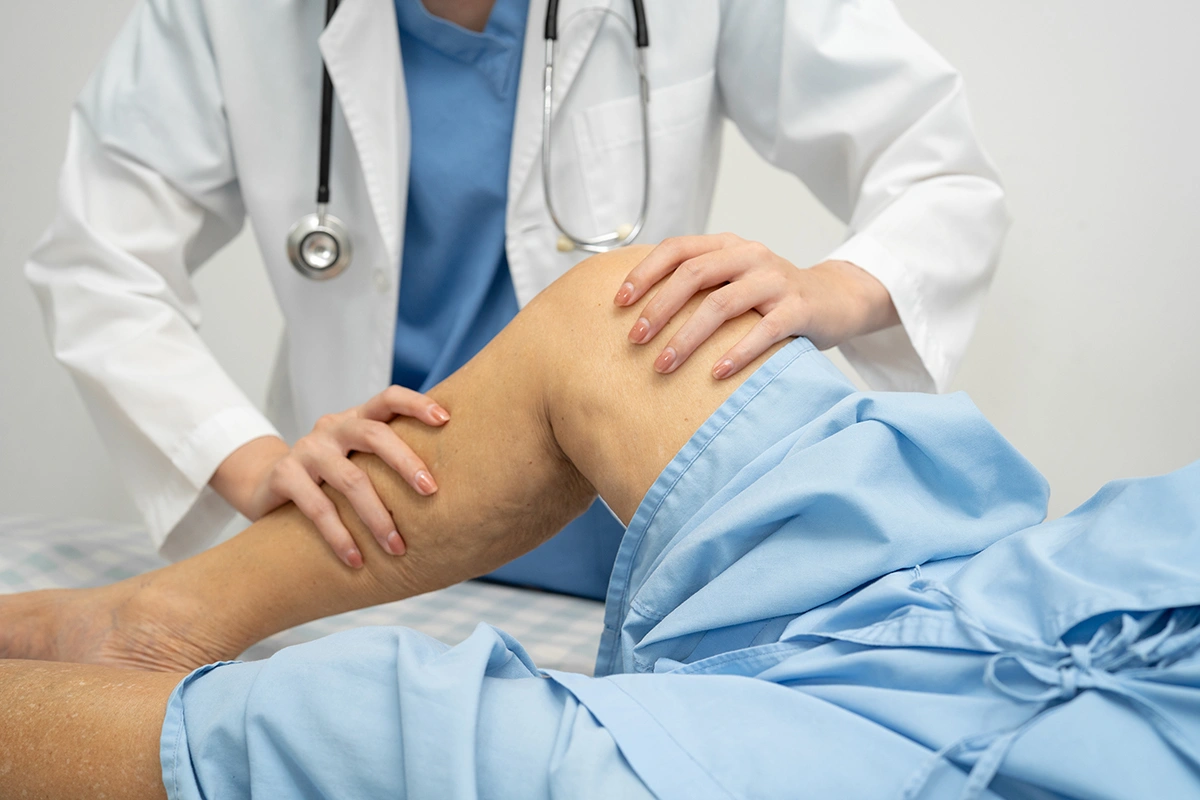
Orthopaedics is a medical specialty that diagnoses and treats musculoskeletal conditions involving bones, joints, muscles, and ligaments, with subspecialties including sports medicine, spine, hand, foot and ankle, and joint replacement.
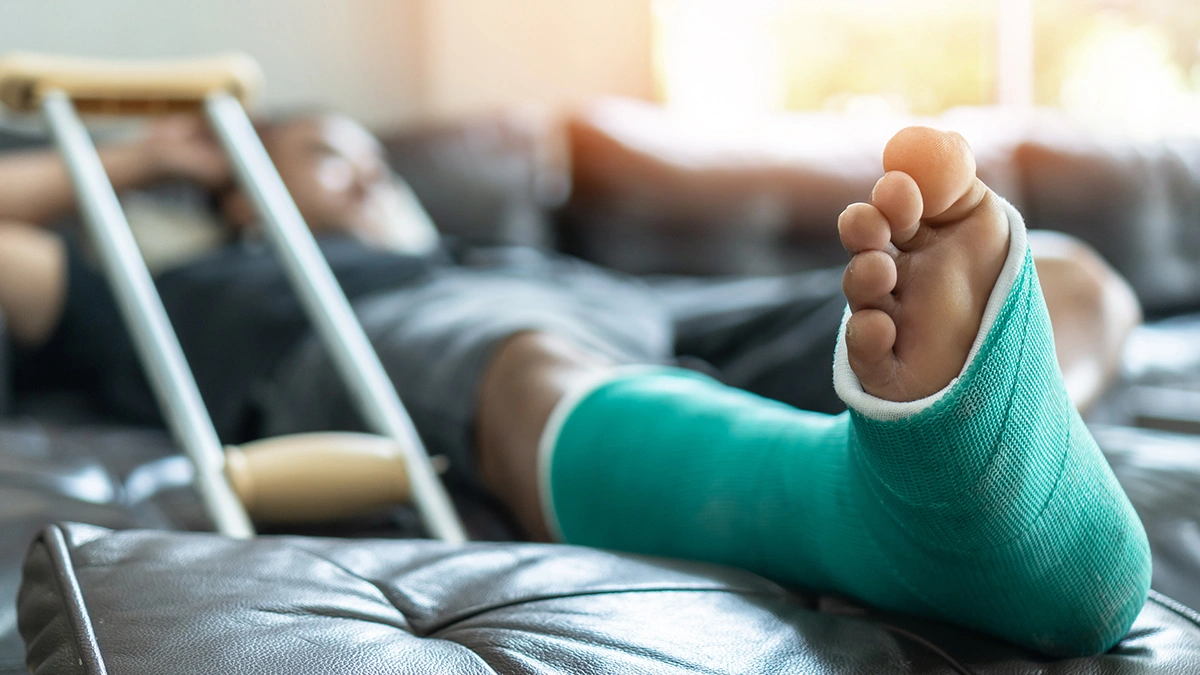
After orthopaedic surgery, recovery involves pain management, wound care, medication, and rehabilitation exercises. Mild pain, swelling, and bruising are normal and improve over time. However, severe pain, excessive bleeding, or fever should be reported immediately to an orthopaedic specialist to ensure proper healing and avoid complications.
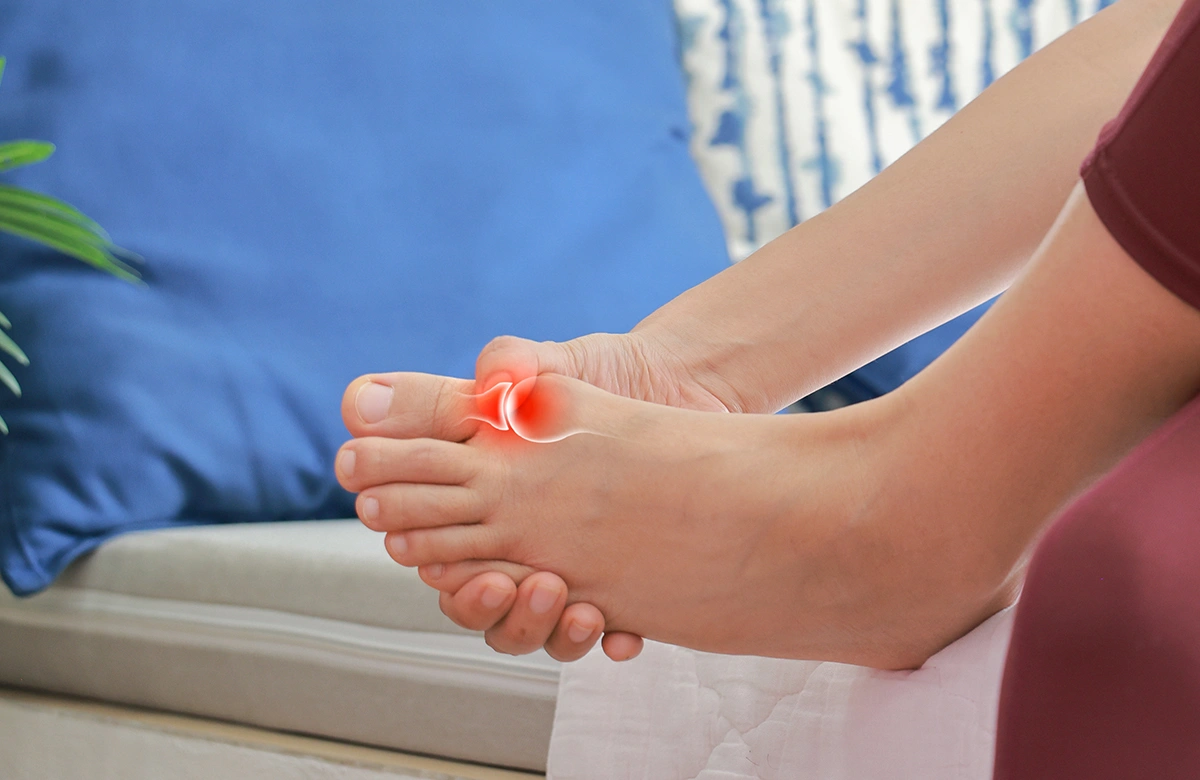
Bunions are painful bony bumps at the base of the big toe that can only be permanently corrected through surgery. Procedures include osteotomy, exostectomy, and resection arthroplasty, depending on severity. A bunion specialist in Singapore will recommend the most suitable technique, performed via open or minimally invasive surgery.
Your Health and
Well-being: Our Focus at
The Bone & Joint Centre.
Well-being: Our Focus at
The Bone & Joint Centre.
We know that getting back to the activities you love is what truly matters. We are committed to providing high-quality, compassionate care to help you regain the ability to live life to the fullest.
Call us at 9898 7781 or fill out the form below and we will
get in touch as soon as possible.
get in touch as soon as possible.


Address
Mount Elizabeth Medical Centre, 3 Mount Elizabeth, #14-15, Singapore 228510
Contact Information
| Tel. | : +65 6970 5905 |
| Fax | : +65 6970 5906 |
| Mobile | : +65 9898 7781 |
| : hello@bjc.sg , drkevinkoo@bjc.sg |
Tel. : +65 6970 5905|Fax : +65 6970 5906
Mobile : +65 9898 7781
Operating Hours
| Mon - FriMonday to Friday | :8:30am to 5:30pm |
| Sat, Sun and PHSaturday, Sunday & PH | :Closed |
Facebook
Instagram