



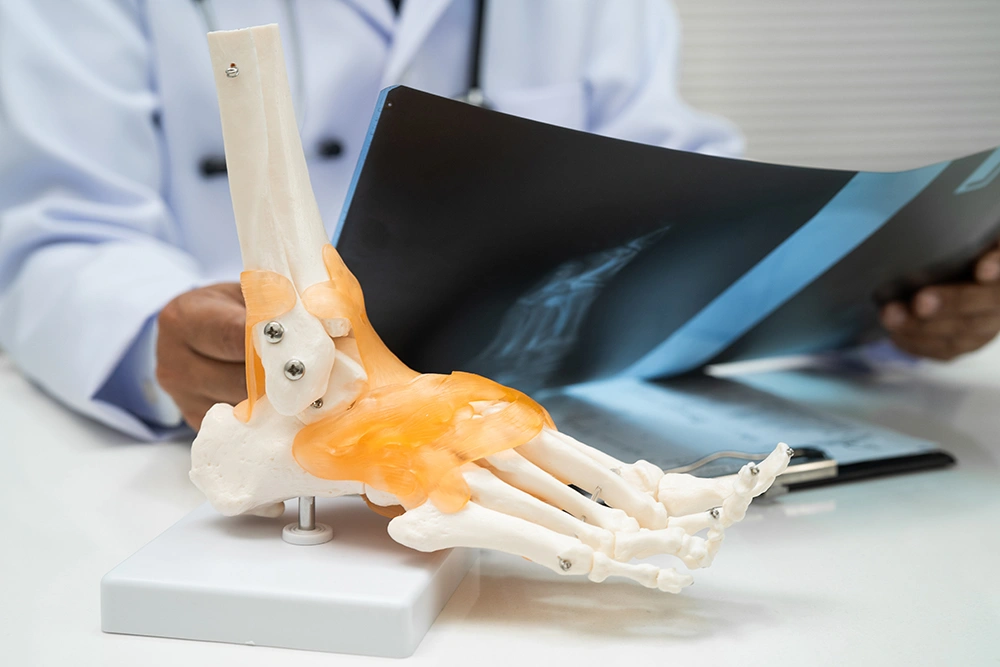

Persistent ankle pain can gradually change the way you move through daily life. Simple activities such as walking short distances, climbing stairs or staying on your feet for long periods may become increasingly uncomfortable over time. For those living with advanced ankle arthritis, symptoms can sometimes progress to a point where daily movement feels more restricted and non-surgical treatments no longer provide the same level of relief.
Two procedures commonly discussed for advanced ankle arthritis are ankle replacement and ankle fusion. Although both aim to relieve pain and improve daily function, they approach the problem in very different ways and involve different considerations for movement, recovery and long-term outcomes. Understanding how these procedures differ can help you feel more informed and prepared when discussing treatment options with a specialist.
Understanding Why Surgery May Be Considered
The ankle joint plays a key role in supporting body weight and allowing movement during daily activities. Conditions such as osteoarthritis, rheumatoid arthritis or previous injuries may gradually wear away the protective cartilage within the joint. As this happens, bones can begin rubbing against one another, leading to pain, swelling and stiffness.
For many individuals, treatment often begins with non-surgical measures such as physiotherapy, medications, activity modification or supportive footwear. However, if symptoms continue to interfere with your quality of life despite these measures, surgery may be considered.
What Is Ankle Replacement?
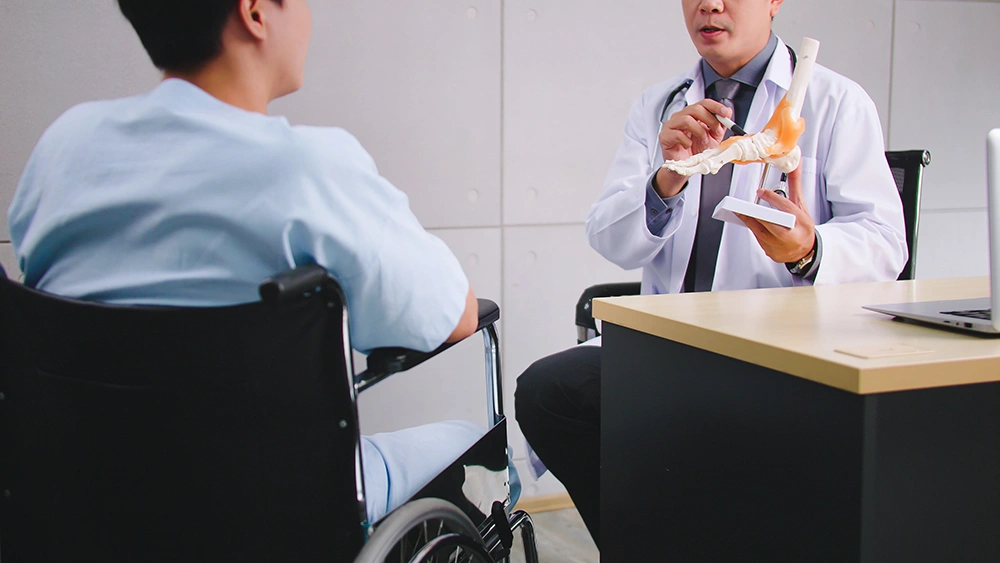
Ankle replacement, also called total ankle replacement, involves removing damaged sections of the ankle joint and replacing them with artificial components. These implants are designed to replicate natural movement while reducing pain.
Potential Benefits of Ankle Replacement
- Helps maintain ankle movement
- May create a more natural walking pattern
- Can reduce strain on nearby joints
- May improve mobility during everyday activities
Factors That May Affect Suitability
Artificial implants can gradually wear over time and may not be suitable for everyone. Certain factors such as severe deformity, poor bone quality or very high physical demands may influence whether ankle replacement is recommended.
Recovery also requires commitment to rehabilitation and regular follow-up assessments to monitor the implant.
What Is Ankle Fusion?
Ankle fusion, also known as arthrodesis, is a procedure that joins the bones of the ankle together permanently. During surgery, damaged cartilage is removed and the bones are secured using plates, screws or other fixation devices until they heal into one solid structure.
Potential Advantages of Ankle Fusion
- Provides reliable pain relief in many patients
- Suitable for severe joint damage
- May be recommended for younger or highly active individuals
- Durable option with lower risk of implant wear over time
How Ankle Movement May Be Affected
Because the joint is permanently fused, movement at the ankle is reduced. Although many people can still walk comfortably after recovery, surrounding joints may gradually take on extra stress to compensate for the lack of movement. Over time, this may increase the likelihood of wear in nearby joints.
Factors That May Influence Which Option Is Suitable For You
Your specialist may consider several factors before recommending a treatment plan, including:
- Severity of ankle arthritis
- Age and activity level
- Bone quality and joint alignment
- Previous injuries or surgeries
- Overall health and medical history
- Personal goals and expectations
For example, if preserving movement is particularly important for your lifestyle, ankle replacement may be discussed. If long-term durability or certain anatomical factors are a greater concern, fusion may sometimes be more appropriate. This is why a personalised assessment remains an important step before making a decision.
Taking the Next Step Towards Improved Mobility
Choosing between ankle replacement and fusion can feel overwhelming, especially when both procedures aim to address similar symptoms. Understanding how they differ is helpful, but the most suitable option ultimately depends on your individual needs, lifestyle and overall joint health. A detailed discussion with a specialist can provide greater clarity and help you move forward with confidence.
At the Bone & Joint Centre in Singapore, patients experiencing persistent ankle pain and advanced joint conditions receive comprehensive assessment and personalised treatment recommendations tailored to their individual needs and recovery goals. Care is provided by Dr Kevin Koo Oon Thien, an orthopaedic specialist with expertise in foot and ankle conditions, joint preservation and surgical management for degenerative ankle problems.
To explore your options and gain a better understanding of which treatment approach may be appropriate for your condition, reach out and schedule a consultation today.