


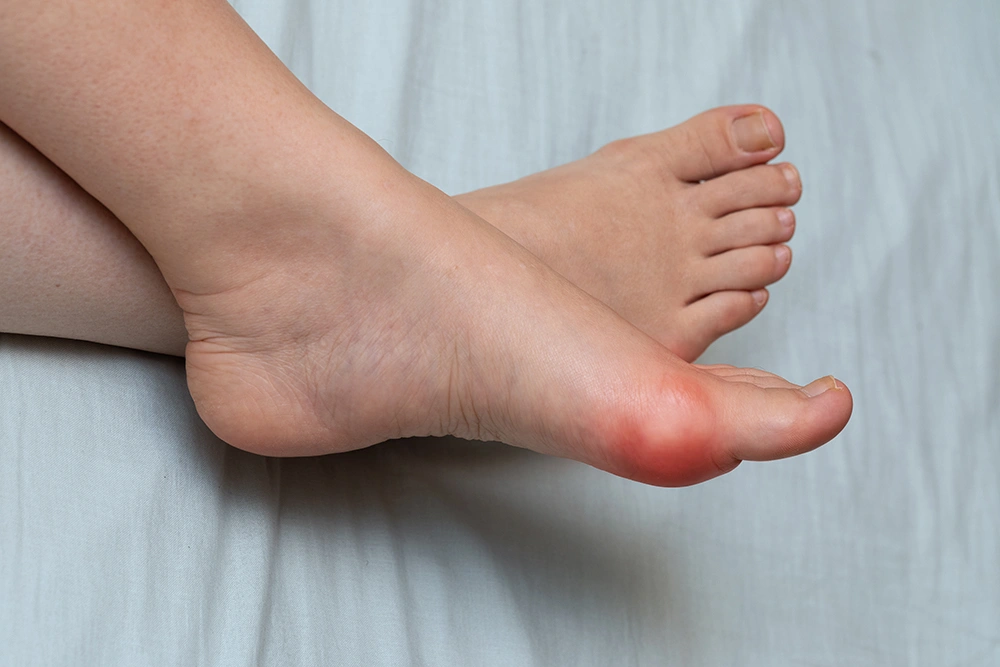

Bunion surgery is performed to correct the alignment of the foot and relieve symptoms caused by a bunion. While the procedure itself plays an important role in reducing pain and improving function, recovery is equally important for achieving a good outcome. The steps taken after surgery can influence comfort, mobility and overall results. Understanding how to care for your foot during this period can help reduce discomfort, lower the risk of complications and support a smoother return to daily activities.
Key Takeaways
- Rest and protect the foot during the early stages of recovery
- Elevate the foot regularly to reduce swelling
- Follow weight-bearing instructions carefully
- Keep dressings clean and dry
- Return to activity gradually
What to Expect During Bunion Surgery Recovery
Recovery experiences vary from person to person depending on the type of bunion surgery performed, the severity of the bunion and individual healing factors. While timelines differ, most patients can expect a period of swelling, reduced mobility and activity restrictions during the early stages of recovery.
Common symptoms after bunion surgery may include:
- Mild to moderate pain around the surgical site
- Swelling of the foot and toes
- Bruising around the treated area
- Stiffness during movement
- Temporary difficulty walking
Although these symptoms are expected, following post-surgical care instructions carefully can support smoother recovery and minimise unnecessary setbacks.
Recovery Tips to Support Healing
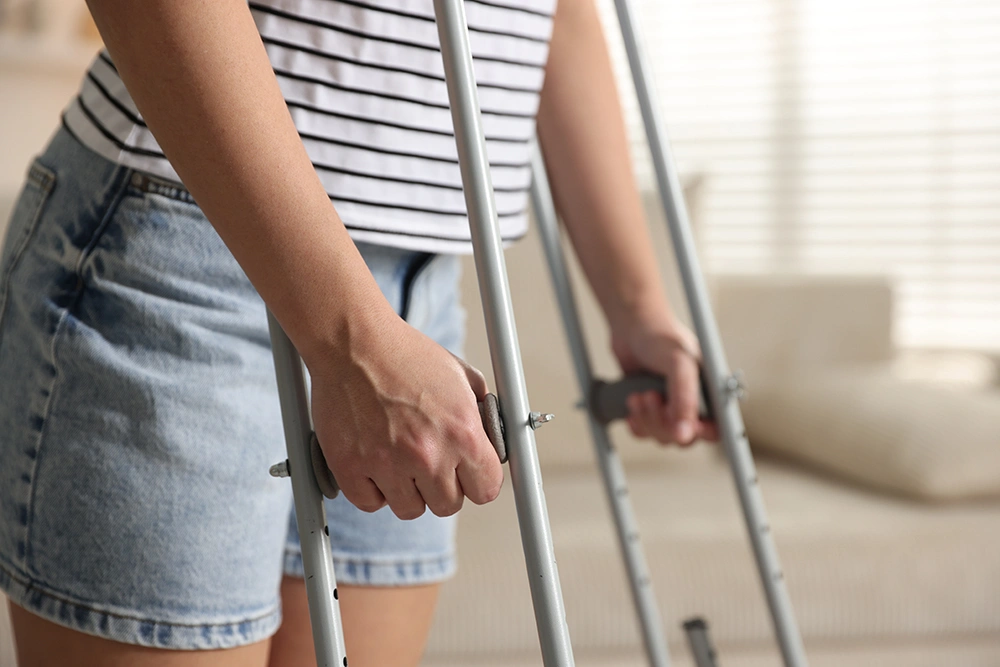
Following post-surgical instructions and adopting healthy recovery habits can help reduce discomfort, support healing and lower the risk of complications during the recovery process.
Keep Weight Off the Foot When Advised
Limiting pressure on the operated foot after bunion surgery helps protect the healing bone and surrounding tissues. Walking too much too early may place unnecessary stress on the area and slow recovery. Depending on the procedure performed, your doctor may also recommend using crutches or a walking aid, wearing a post-operative shoe or boot and avoiding prolonged standing.
Elevate Your Foot Regularly
Swelling is common after bunion surgery and may continue for several weeks or even months as the body heals. Keeping the foot elevated above heart level while resting may help reduce swelling, ease pressure around the surgical area and support healthy circulation. During the first few days after surgery, regular elevation can be particularly beneficial.
Apply Ice Carefully
Cold therapy may help manage swelling and discomfort during the early stages of recovery. Ice packs should be wrapped in a towel rather than placed directly against the skin and used for short periods at a time. Following your doctor's instructions regarding frequency and duration is important, as excessive ice exposure may cause irritation.
Take Medications as Prescribed
Medications prescribed after surgery are intended to help control discomfort and support a more comfortable healing period. Depending on your individual needs, this may include pain relief medication, anti-inflammatory medication or antibiotics if necessary. Avoid changing medication schedules or stopping treatment without medical advice, even if symptoms begin to improve.
Keep Dressings Clean and Dry
Protecting the surgical site helps reduce the risk of infection and supports proper wound healing. Dressings should remain clean and dry and should not be removed unless instructed by your doctor. Monitor for signs such as unusual redness, discharge or dressing damage and seek advice if anything appears concerning.
Wear Appropriate Footwear During Recovery
Returning to tight or narrow shoes too early may place unnecessary pressure on the healing area and contribute to discomfort. Doctors commonly recommend supportive post-operative footwear initially, followed by wider fitting shoes when transitioning back to regular footwear. Avoiding high heels during early recovery may also help reduce irritation and strain on the foot.
Gradually Return to Activities
Although it can feel encouraging when pain begins improving, recovery still requires patience. Returning to normal activities too quickly may place stress on healing tissues. As recovery progresses, patients may gradually return to longer walking distances, driving, exercise and work activities depending on their doctor's recommendations. Increasing activity levels gradually can help support safer healing.
Attend Follow-Up Appointments
Follow-up appointments play an important role in monitoring recovery and identifying any potential concerns early. These reviews allow your doctor to assess bone healing, swelling, mobility and readiness to increase activity levels.
Signs That May Require Medical Attention
Some symptoms may warrant earlier medical review.
Contact your bunion clinic if you experience:
- Increasing pain that does not improve
- Excessive swelling or redness
- Fever
- Persistent wound drainage
- Sudden numbness or colour changes in the foot
Early assessment can help address potential issues before they become more serious.
Supporting a Smoother Recovery After Bunion Surgery
Recovering from bunion surgery takes time and progress may happen gradually rather than all at once. Following post-operative advice, allowing the foot adequate rest and paying attention to signs of healing can support a more comfortable recovery experience and reduce the risk of complications.
At the Bone & Joint Centre in Singapore, care is led by Dr Kevin Koo Oon Thien, who provides assessment and treatment planning for individuals experiencing bunion-related symptoms and foot concerns. From understanding suitable treatment approaches to discussing recovery expectations, guidance is tailored according to each person's condition and goals. Schedule a consultation to gain a clearer understanding of your options and the next steps towards recovery.
Frequently Asked Questions About Bunion Surgery Recovery
When should I see a bunion specialist?
You may wish to seek assessment if your bunion causes ongoing pain, difficulty wearing shoes, swelling or changes in walking patterns. A bunion doctor may assess the severity of symptoms, foot alignment and whether non-surgical measures or bunion surgery may be more suitable for the condition.
How to choose a bunion surgeon?
When considering how to choose a bunion surgeon, it may be helpful to look at the surgeon's experience with foot and ankle conditions, their approach to treatment planning and whether they discuss expected outcomes and recovery considerations clearly. Understanding the procedure, risks and recovery process beforehand can also support more informed decision-making.
Can bunions return after surgery?
Bunion surgery aims to correct the underlying deformity, but recurrence can still occur in some situations. Factors such as foot structure, genetics, footwear choices and following post-surgical instructions may influence long-term outcomes.