





Foot and ankle arthritis develops when joint cartilage gradually wears down, leading to pain, stiffness and reduced mobility. While ageing can increase risk, arthritis does not develop because of age alone. Previous injuries, body weight, repetitive stress and certain medical conditions may also contribute.
Although it is not always possible to completely prevent foot and ankle arthritis, taking practical steps to protect the joints may help reduce unnecessary strain and support long-term joint health.
Key Takeaways
- Foot and ankle arthritis cannot be fully prevented
- Previous injuries, excess body weight and certain medical conditions can increase risk
- Joint-friendly habits may help reduce stress on the feet and ankles
- Early attention to symptoms and injuries may support long-term joint function
What Increases the Risk of Foot and Ankle Arthritis?
Some risk factors of foot and ankle arthritis cannot be changed, while others may be influenced through lifestyle habits and joint care. Understanding these factors may help individuals take more proactive steps.
Common risk factors include:
- Increasing age
- Previous ankle or foot injuries
- Excess body weight
- Family history of arthritis
- High-impact repetitive activities
- Rheumatoid arthritis and other inflammatory conditions
- Structural foot abnormalities
Having one or more risk factors does not mean arthritis will definitely develop. However, recognising them early may support better long-term joint care.
Practical Ways to Protect Your Foot and Ankle Joints
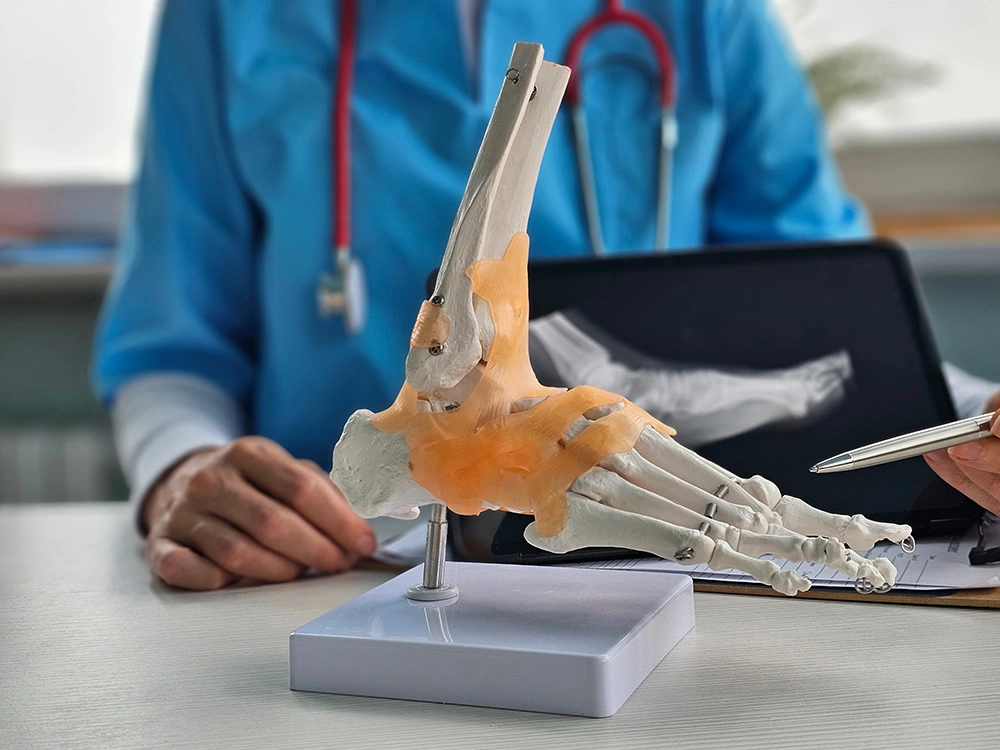
Certain habits may help reduce pressure on the joints and support mobility over time.
Maintain a Healthy Weight
Body weight affects the amount of pressure placed on the feet and ankles during walking and other daily activities. Carrying excess weight over time may increase stress on weight-bearing joints.
Maintaining a healthy weight may help:
- Reduce joint loading
- Lower repetitive stress on cartilage
- Support overall musculoskeletal health
Wear Supportive Footwear
Footwear plays an important role in how pressure is distributed across the foot.
Supportive shoes may help by:
- Providing cushioning during movement
- Improving foot alignment
- Reducing pressure on certain joints
Consistently wearing narrow shoes or high heels may place additional strain on the feet.
Stay Physically Active
Movement helps maintain muscle strength and joint flexibility. Remaining active may also help support balance and a healthy body weight.
Joint-friendly exercises commonly include:
- Walking
- Cycling
- Swimming
- Low-impact strength training
Sudden increases in activity intensity should generally be avoided.
Address Foot Problems Early
Ongoing discomfort should not always be ignored. Some foot conditions may alter walking patterns and increase pressure on certain joints.
Symptoms that may warrant assessment by a foot and ankle doctor include:
- Persistent foot pain
- Recurrent ankle instability
- Changes in walking patterns
- Swelling that does not improve
Early management may help reduce unnecessary strain on the joints.
Can Foot and Ankle Arthritis Be Completely Prevented?
Foot and ankle arthritis cannot always be prevented entirely because factors such as age, genetics and previous injuries may still influence risk. Prevention strategies should therefore be viewed as ways to support joint health and potentially reduce risk rather than guarantee protection.
Supporting Long-Term Joint Health
While arthritis cannot always be avoided completely, taking practical steps to protect the feet and ankles may help support mobility and comfort as you age.
At the Bone & Joint Centre in Singapore, care is led by Dr Kevin Koo Oon Thien, who provides assessment and treatment planning for individuals experiencing foot and ankle concerns. Discussions take into account each person's symptoms, lifestyle and treatment goals to support informed decision-making. Reach out and schedule a consultation to gain a clearer understanding of your options and take the next step towards protecting your joint health. Schedule a consultation to better understand what may be contributing to your symptoms and explore practical ways to support your mobility and long-term joint health.
Frequently Asked Questions About Foot and Ankle Arthritis
When to see a foot specialist?
You may wish to seek assessment with a foot and ankle doctor if you experience persistent foot or ankle pain, recurring swelling, stiffness, instability or changes in walking patterns. Symptoms that gradually worsen over time may also warrant further evaluation.
Should previous ankle injuries be taken seriously?
Yes. Previous injuries such as fractures, ligament injuries and repeated ankle sprains may increase the risk of developing post-traumatic arthritis later on. Seeking treatment and allowing adequate recovery after an injury may help support long-term joint function.
What are the early signs of foot and ankle arthritis?
Early symptoms can vary but often include stiffness after rest, pain during movement, swelling around the joints and discomfort that gradually increases over time. Symptoms may initially appear mild and become more noticeable with daily activities.