





You may have assumed your ankle just needed time to recover. Resting, cutting back on activity, and waiting for the discomfort to settle often seems like the right approach. But when the pain does not improve, or returns with everyday movement, it becomes harder to ignore.
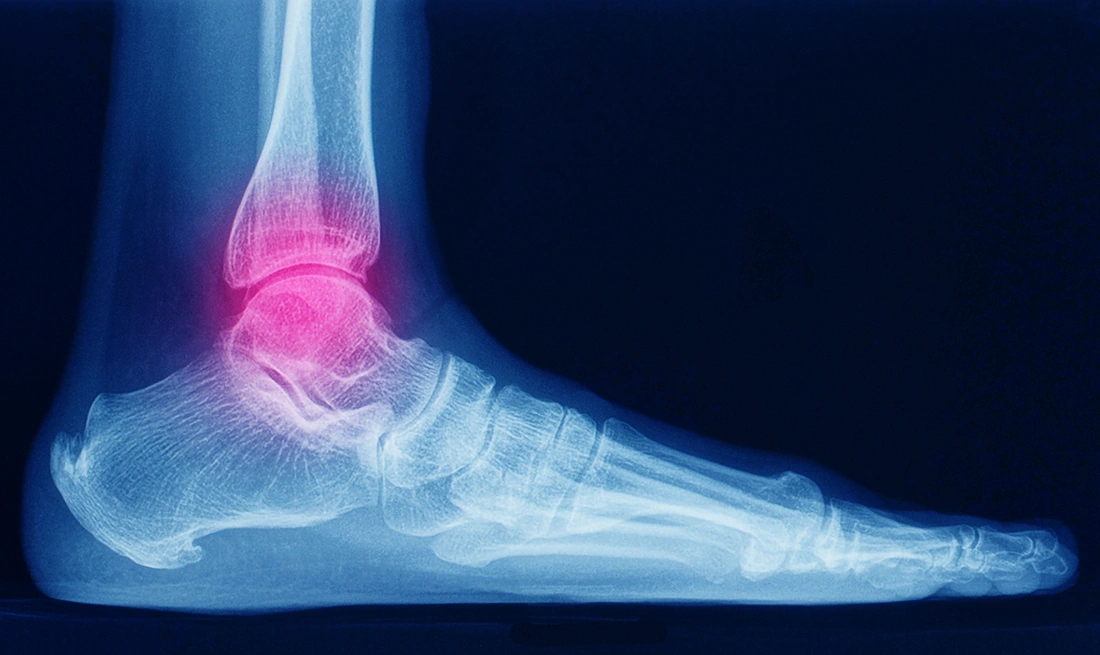
Ankle pain is common after a twist, fall or increased physical activity, and in many cases it improves with rest and simple care. However, persistent symptoms may indicate a need for further evaluation rather than continued rest alone. In some cases, imaging such as X-rays or MRI scans may be used to identify underlying injuries and guide appropriate treatment.
What Are the Common Causes of Ankle Pain?
Ankle pain can arise from a variety of conditions, ranging from mild injuries that improve with rest to more serious issues that require medical evaluation.
Acute injuries
These include ankle sprains, ligament tears and fractures, often caused by a sudden twist, fall or impact during sports or daily activities.
Overuse injuries
Develop gradually due to repetitive stress on the ankle. Conditions such as tendonitis or stress injuries may occur with increased activity or inadequate recovery.
Chronic conditions
Include ankle instability, where the joint repeatedly “gives way,” and degenerative conditions such as arthritis, which can lead to stiffness, swelling and reduced mobility.
What Are the Signs That Rest Is Not Enough?
While many cases of ankle pain improve with rest and simple care, certain symptoms may indicate a more serious underlying issue that requires further evaluation. Recognising these warning signs early can help prevent delayed diagnosis and complications.
- Persistent pain that does not improve after several days or weeks of rest.
- Ongoing or worsening swelling that does not subside or continues to increase.
- Difficulty bearing weight such as standing or walking comfortably on the affected ankle.
- Instability or a feeling that the ankle keeps giving way.
- Limited range of motion due to stiffness or difficulty moving the ankle normally.
- Recurring pain after a specific injury such as a twist, fall or impact.
What Imaging Tests May Be Used?
When ankle pain does not improve with rest or when more serious injury is suspected, your ankle specialist may recommend imaging tests to better understand the underlying cause. Each type of imaging provides different information and is selected based on your symptoms and clinical findings.
X-rays
X-rays are usually the first imaging test performed. They are useful for detecting fractures, bone alignment issues and signs of arthritis.
MRI (Magnetic Resonance Imaging)
MRI scans provide detailed images of soft tissues, including ligaments, tendons, cartilage and surrounding soft tissues. They are commonly used to identify ligament tears, tendon injuries or other internal joint problems that may not be visible on X-rays.
Ultrasound
Ultrasound may be used to assess tendons and other soft tissues in real time, particularly for conditions such as tendonitis. It can also help guide certain procedures if needed.
How Does Imaging Help Guide Treatment and Recovery?
Imaging plays an important role in understanding the cause of ankle pain and ensuring that the most appropriate treatment is recommended. Confirming the diagnosis helps determine whether the issue involves bones, ligaments, tendons or other structures, especially when symptoms alone are not conclusive.
In addition, imaging allows doctors to determine the severity of the injury, such as the extent of a ligament tear or the presence of associated damage. This information is crucial in deciding whether the condition can be managed with conservative treatments like rest and physiotherapy, or if surgical intervention may be required.
Early and accurate diagnosis through appropriate imaging also supports better recovery outcomes. Timely treatment can prevent the condition from worsening, reduce the risk of complications and help you return to daily activities.
Get Precise Ankle Pain Treatment at the Bone & Joint Centre
While many cases of ankle pain improve with rest, persistent or worsening symptoms may signal a more serious underlying issue. Recognising when to seek further evaluation and imaging can help ensure an accurate diagnosis and timely treatment.
At The Bone & Joint Centre, we are committed to ensuring that each patient receives the most appropriate imaging and treatment approach based on their unique condition. The clinic is led by Dr Kevin Koo Oon Thien, a fellowship-trained orthopaedic surgeon with over 20 years of experience who previously served as Director of the Foot and Ankle Service at Singapore General Hospital. If your ankle pain persists despite ample rest, consult our specialist for guidance on the appropriate next steps.