


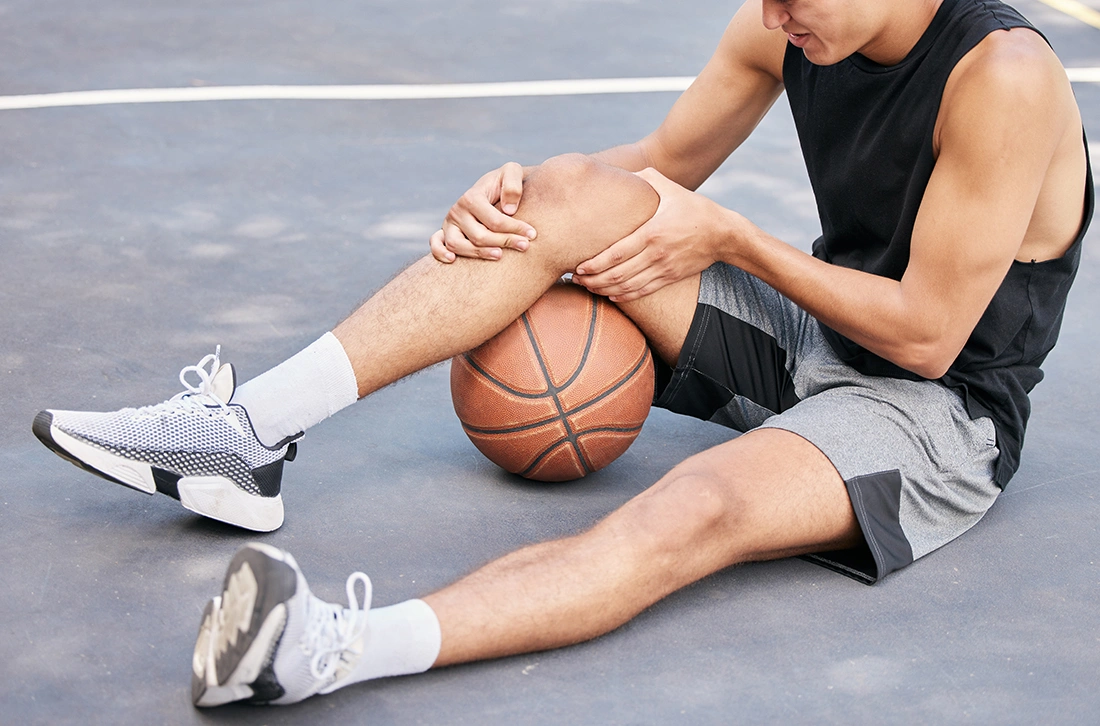

Sports injuries are common, whether you are a professional athlete or enjoy regular physical activity. Traditionally, the RICE method – Rest, Ice, Compression and Elevation – has been used to manage acute injuries such as sprains, strains and bruises. While RICE can provide immediate relief, it is just one part of comprehensive sports injury treatment and may not be enough for long-term recovery. Recent research and expert opinion have raised questions about whether RICE alone is the best approach. Understanding when and how to apply it, as well as alternatives, can help you recover safely and minimise long-term complications.
What Is the RICE Method?
The RICE protocol was developed to reduce swelling, relieve pain and support early recovery after an injury. It involves four key components:
Rest
Limiting movement of the affected area helps prevent further damage. However, complete inactivity for extended periods can lead to stiffness and slower healing. Short-term rest is useful immediately after the injury, but gradual movement is usually recommended soon after.
Ice
Applying ice to the injured area can reduce pain and inflammation. Ice should generally be applied for 15 to 20 minutes at a time, several times a day, during the first 24 to 48 hours. Prolonged or excessive icing can affect blood flow and may delay healing.
Compression
Using elastic bandages or supports helps control swelling and stabilise the joint. Compression should be firm but not tight enough to restrict circulation. Regular monitoring of the affected limb is important to prevent complications.
Elevation
Raising the injured area above heart level assists fluid drainage and reduces swelling. Elevation is most effective when combined with compression and intermittent movement as tolerated.
Evolving Perspectives on RICE
Recent sports medicine guidance suggests that while RICE can provide temporary relief, it may not promote long-term recovery. Experts now emphasise active rehabilitation and controlled movement as critical for restoring strength and function.
Key points include:
- Early controlled movement: Gentle exercises and mobility work help prevent stiffness and support tissue repair.
- Pain management: Over-the-counter anti-inflammatory medications or topical treatments may be recommended under medical guidance.
- Monitoring swelling and bruising: Persistent or worsening symptoms should prompt a professional assessment.
This shift reflects a move away from strict immobilisation towards strategies that encourage functional recovery.
When to Seek Professional Help
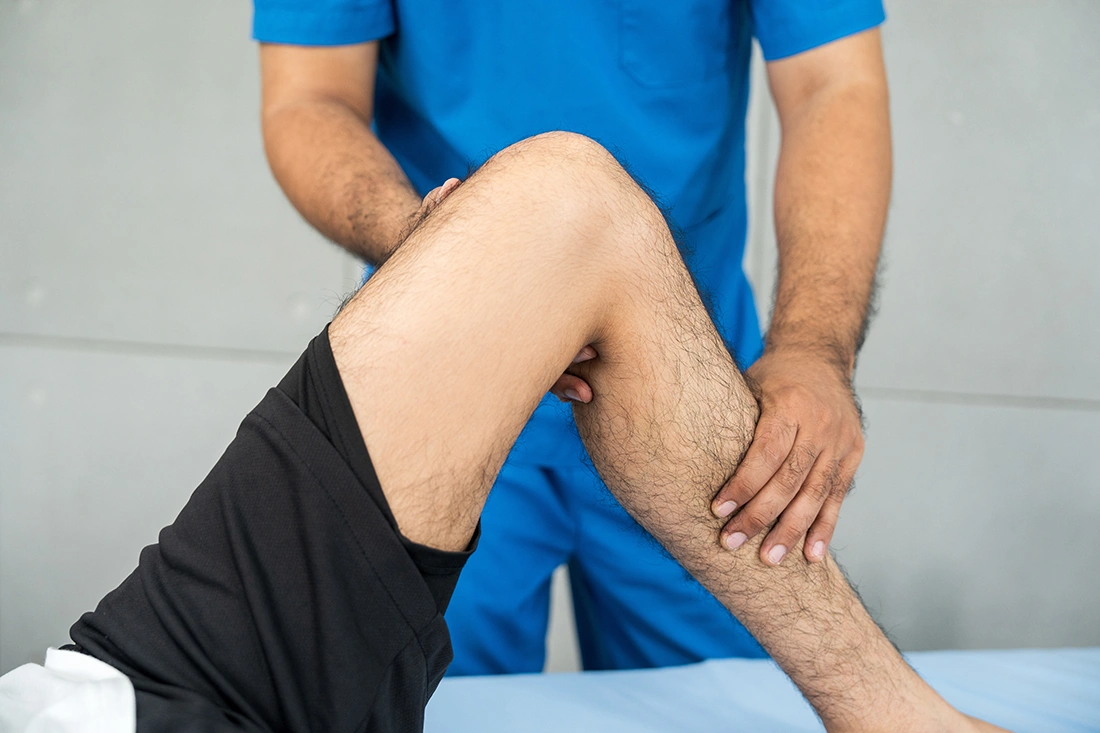
Not all injuries can be managed at home. Knowing when to see a specialist is essential for preventing further damage. You should consult a doctor if you experience:
- Severe or worsening pain
- Inability to bear weight or move the joint
- Visible deformity or unusual swelling
- Numbness, tingling or persistent weakness
- Injuries that do not improve within a few days
Early evaluation ensures an accurate diagnosis and a targeted treatment plan. Sports injuries can involve ligaments, tendons, muscles or bones, and the appropriate approach depends on the exact tissue affected. Consulting a professional early not only aids recovery but also plays a key role in preventing sports injuries in the future.
Alternatives and Complementary Approaches
While RICE can provide short-term relief, combining it with other strategies often brings better outcomes. These include:
- Physiotherapy: Structured exercises restore mobility, flexibility and strength.
- Functional rehabilitation: Focuses on movements specific to your sport or daily activities.
- Supportive devices: Braces or taping can protect the joint during recovery.
- Education on injury prevention: Learning proper technique and conditioning reduces the risk of re-injury.
Integrating these approaches under professional guidance ensures safer and more effective recovery.
Take Action for Sports Injury Recovery
RICE remains a useful first aid step immediately after an injury, but it should not replace professional assessment and rehabilitation. Active recovery and functional rehabilitation are key to regaining strength, preventing chronic problems and returning safely to sport.
If you are dealing with a sports injury, timely specialist care can make a significant difference. At The Bone & Joint Centre led by Dr Kevin Koo Oon Thien, patients receive personalised evaluation and tailored treatment plans that combine immediate relief with long-term recovery strategies. Contact us to arrange a consultation and take the next step in managing your injury effectively.