



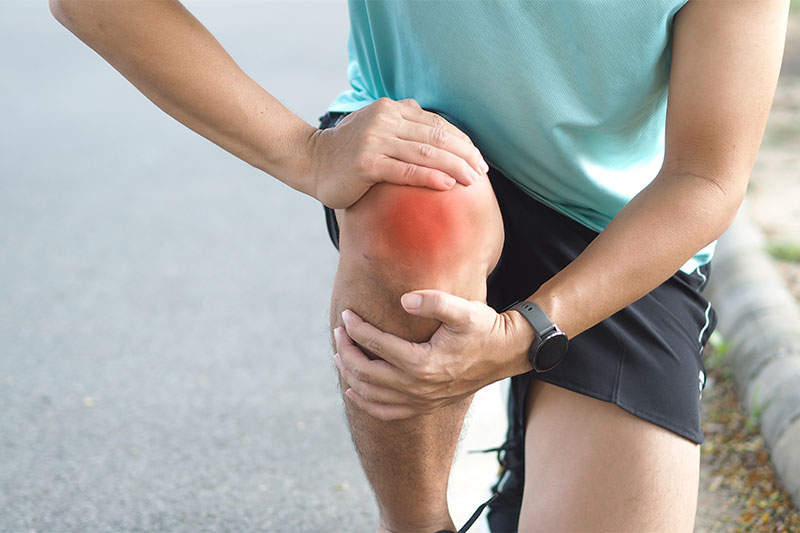

Do you wince when climbing stairs or feel a sharp twinge when standing up after sitting for a while? Knee pain can be surprisingly disruptive, affecting everyday activities that once felt effortless. When knee pain lingers, it is natural to wonder whether surgery is inevitable.
The good news is that before surgical options are discussed, there are several ways to manage knee discomfort, improve mobility and even slow down the progression of joint problems. Let’s explore some evidence-backed strategies that may help you regain comfort and confidence in your daily movement.
Why Surgery Is Not Always the First Step
Knee pain can arise from various causes including cartilage wear, ligament strain, inflammation or overuse. While surgery has its place in certain situations, conservative management is often effective, particularly in early or moderate stages of joint problems.
A structured approach focusing on strength, alignment and inflammation control frequently provides substantial relief. Exploring these options first can delay or even remove the need for operative treatment.
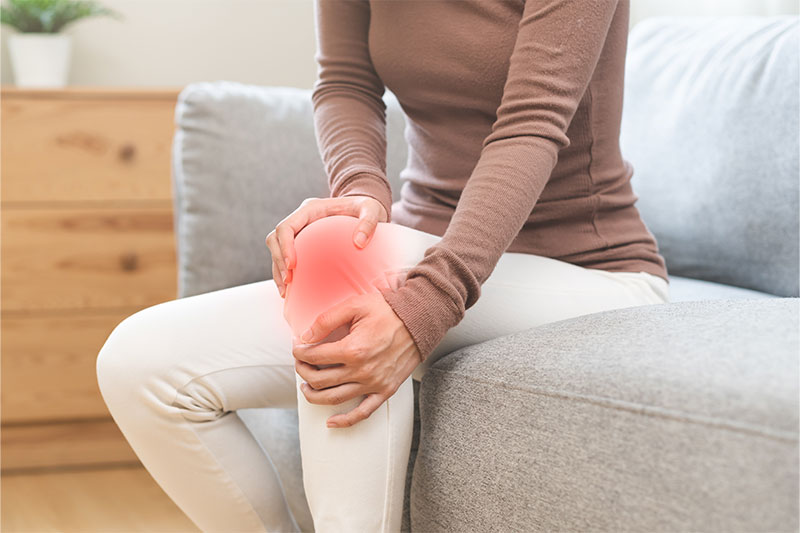
Strategies to Manage Knee Pain Before Surgery
The following strategies are commonly recommended by orthopaedic knee specialists and can often make a real difference before surgery is considered.
Targeted Physiotherapy
One of the most impactful non-surgical treatments is guided physiotherapy. Strengthening the muscles surrounding the knee improves joint support and reduces strain on irritated structures. Exercises often focus on the quadriceps, hamstrings and hip stabilisers. When these muscle groups function efficiently, the knee tracks more smoothly during movement. Over time, improved strength enhances stability and decreases mechanical stress.
Weight Management and Load Reduction
Even modest weight changes can influence knee symptoms. The joint absorbs several times body weight during walking, so reducing excess load lessens pressure on cartilage surfaces. Sustainable weight management through balanced nutrition and low-impact activity can ease discomfort and improve function. Small lifestyle adjustments, like walking on softer surfaces or pacing your daily activities, also help reduce stress on your knees.
Bracing and Support
In some cases, external support can provide relief. Knee braces or supportive taping techniques help guide alignment and reduce pressure on affected areas of the joint.
For individuals with early osteoarthritis or mild instability, bracing may improve comfort during daily tasks. Although not a permanent solution, it can complement strengthening programmes and allow more confident movement.
Medication and Injections
Pain-relieving medication and anti-inflammatory treatment may be recommended when symptoms interfere with daily life. These approaches aim to calm inflammation and improve short-term comfort.
In selected cases, injections such as corticosteroids or viscosupplementation can provide temporary symptom control. While these options do not reverse structural changes, they may create a window of relief that allows rehabilitation efforts to progress more effectively.
Lifestyle Adjustments and Supportive Habits
Everyday habits play a big role in knee health. Prioritising low-impact activities, maintaining good posture and using ergonomic seating can reduce stress on the joint. Regular stretching and mobility exercises also keep the knee flexible and improve circulation. Mindful practices, like pacing yourself and listening to your body’s signals, prevent flare-ups and help you stay active safely.
When Surgery May Be Considered
Despite comprehensive conservative care, some individuals continue to experience significant pain or functional limitation. Surgery may be discussed when symptoms persist, mobility remains restricted or imaging reveals advanced structural damage.
The decision to proceed is based on symptom severity, lifestyle demands and response to non-operative management. A thorough evaluation ensures that surgery is considered at the appropriate time rather than prematurely.
Consult Dr Kevin Koo Oon Thien for Personalised Knee Care
Knee pain can feel discouraging, particularly when it begins to affect daily routines. However, surgery is not always the immediate answer. Understanding the full range of options empowers you to choose a treatment pathway aligned with your goals and lifestyle.
At The Bone & Joint Centre, our care is led by Senior Consultant Orthopaedic Surgeon Dr Kevin Koo Oon Thien with more than 20 years of experience in managing knee conditions and sports injuries. Through personalised evaluation and evidence-based strategies, we focus on restoring mobility and improving long-term joint health. Book a consultation today to explore effective treatment approaches and take the next step towards lasting knee relief.
Frequently Asked Questions (FAQs) About Knee Pain
What exercises are best for knee pain?
Rather than focusing on the knee alone, effective exercise programmes strengthen the surrounding muscles that support joint stability. This often includes the quadriceps, hamstrings, hips and core. Low-impact activities such as cycling or swimming can maintain fitness while minimising stress on the joint. A personalised plan designed by a healthcare professional ensures exercises are safe and appropriate.
Do knee braces really help?
For some individuals, external support can provide noticeable relief during daily activities. Knee braces may help improve alignment and reduce pressure on specific parts of the joint. While they do not address the root cause of the condition, they can complement strengthening exercises and activity modification, particularly during flare-ups or periods of increased activity.
Can knee pain be caused by problems outside the knee?
Yes, the knee functions as part of a larger movement chain. Weakness or tightness in the hips, lower back or ankles can alter alignment and increase strain on the joint. Addressing these contributing factors through comprehensive assessment and rehabilitation often improves symptoms more effectively than focusing solely on the knee.