



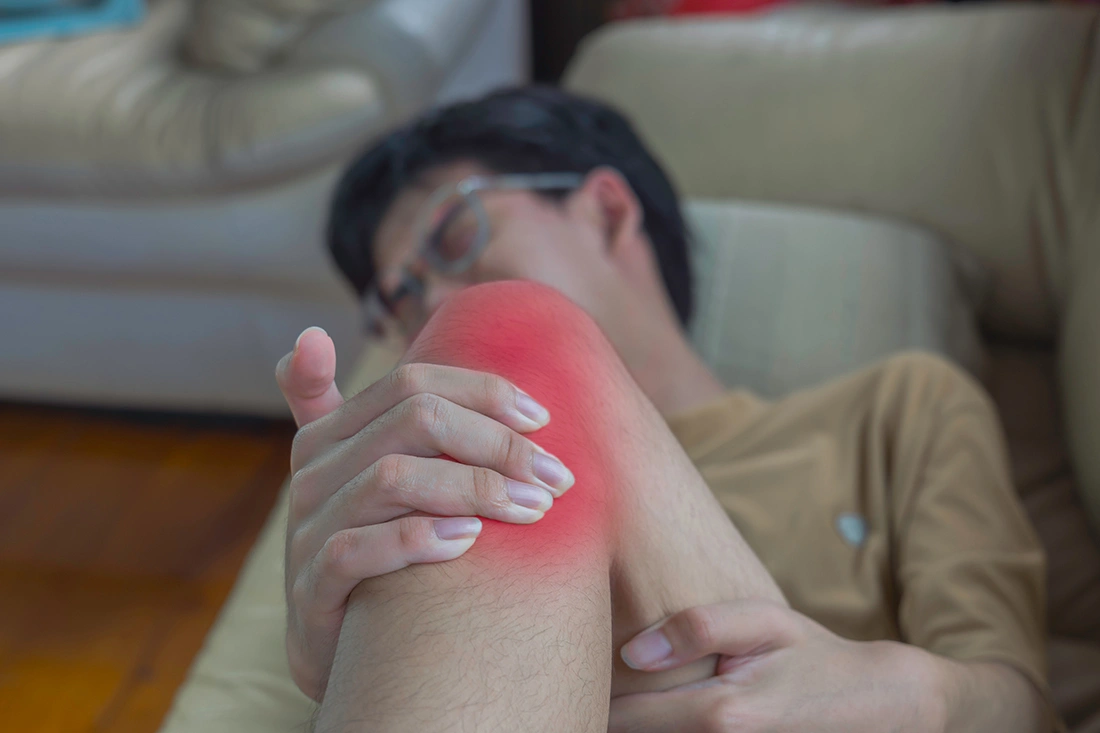

Knee pain often improves with rest and physiotherapy, especially when caused by minor injuries or overuse. However, some individuals continue to experience discomfort despite following recommended treatment, which can be frustrating and concerning.
When knee pain persists, it may indicate an underlying issue that has not been fully addressed. Understanding the possible reasons for ongoing symptoms is important, as further evaluation and targeted treatment may be required to support proper recovery and long-term joint health.
What Are Some Common Causes of Persistent Knee Pain?
While many knee conditions improve with rest and physiotherapy, some cases continue to cause discomfort due to underlying issues that have not fully resolved. Identifying these causes is important to guide further treatment and prevent long-term problems.
Incomplete healing from the initial injury
In some cases, the injured tissues may not have fully recovered, especially if activity is resumed too early or rehabilitation is inadequate.
Undiagnosed structural conditions
Conditions such as meniscal tears, ligament injuries or cartilage damage may not always be apparent initially and can continue to cause pain if left untreated.
Overuse or premature return to activity
Returning to sports or daily activities too quickly can place repeated stress on the knee, delaying recovery and worsening symptoms.
Degenerative conditions
Age-related changes such as osteoarthritis can lead to ongoing pain, stiffness and reduced mobility, even with conservative treatment.
Biomechanical issues
Factors such as poor alignment, muscle imbalances or inefficient movement patterns can place uneven stress on the knee and contribute to persistent discomfort.
How Further Evaluation Helps Identify the Problem
When knee pain persists despite rest and physiotherapy, further evaluation is often advised to identify the underlying cause and guide appropriate treatment.
A clinical reassessment is usually the first step. Your knee specialist will review your symptoms, how they have evolved over time and how the knee responds to activity, followed by a physical examination to assess joint stability, range of motion and areas of tenderness.
Imaging tests may be recommended in some cases to provide a clearer view of the knee. X-rays help detect bone-related issues such as arthritis or alignment problems, while MRI scans are useful for identifying soft tissue injuries involving ligaments, cartilage or the meniscus.
This process also helps distinguish between structural problems, such as tears or degeneration, and functional issues like muscle imbalances or movement patterns. Identifying the root cause allows for more targeted treatment, improving recovery and reducing the risk of ongoing pain.
What Are the Treatment Options for Persistent Knee Pain?
When knee pain continues despite rest and physiotherapy, treatment needs to be adjusted based on the underlying cause. A more targeted approach can help address the root issue and improve long-term outcomes.
Refined or progressive physiotherapy
Treatment may be adjusted to focus on specific muscle groups, movement patterns or functional goals that were not fully addressed initially. This can include advanced strengthening, stability training or sport-specific rehabilitation.
Medications or injections
These may be used to manage pain and inflammation, especially when symptoms interfere with daily activities, to support more effective participation in rehabilitation.
Activity modification and load management
Adjusting the intensity, frequency and type of activity helps reduce stress on the knee while supporting gradual recovery.
Surgical treatment (when needed)
If structural damage such as significant meniscus tears, ligament injuries or advanced degeneration is present, procedures such as arthroscopy or repair may be recommended to restore function.

Address Persistent Knee Pain at the Bone & Joint Centre
Persistent knee pain after rest and physiotherapy may indicate an underlying issue that requires further evaluation. Identifying the root cause is key to ensuring the right treatment and achieving lasting relief. Seeking timely care can help restore function, reduce discomfort and support long-term joint health.
At The Bone & Joint Centre, we provide specialist evaluation for persistent knee pain, ensuring that each patient receives a personalised treatment approach based on the underlying cause. The clinic is led by Dr Kevin Koo Oon Thien, a fellowship-trained orthopaedic surgeon with over 20 years of experience and recipient of the Gold Award at the Singapore Health Quality Service Awards 2020. If your knee pain continues despite rest and physiotherapy, consult our specialist for an accurate diagnosis and a tailored treatment plan to support your recovery and long-term joint health.