


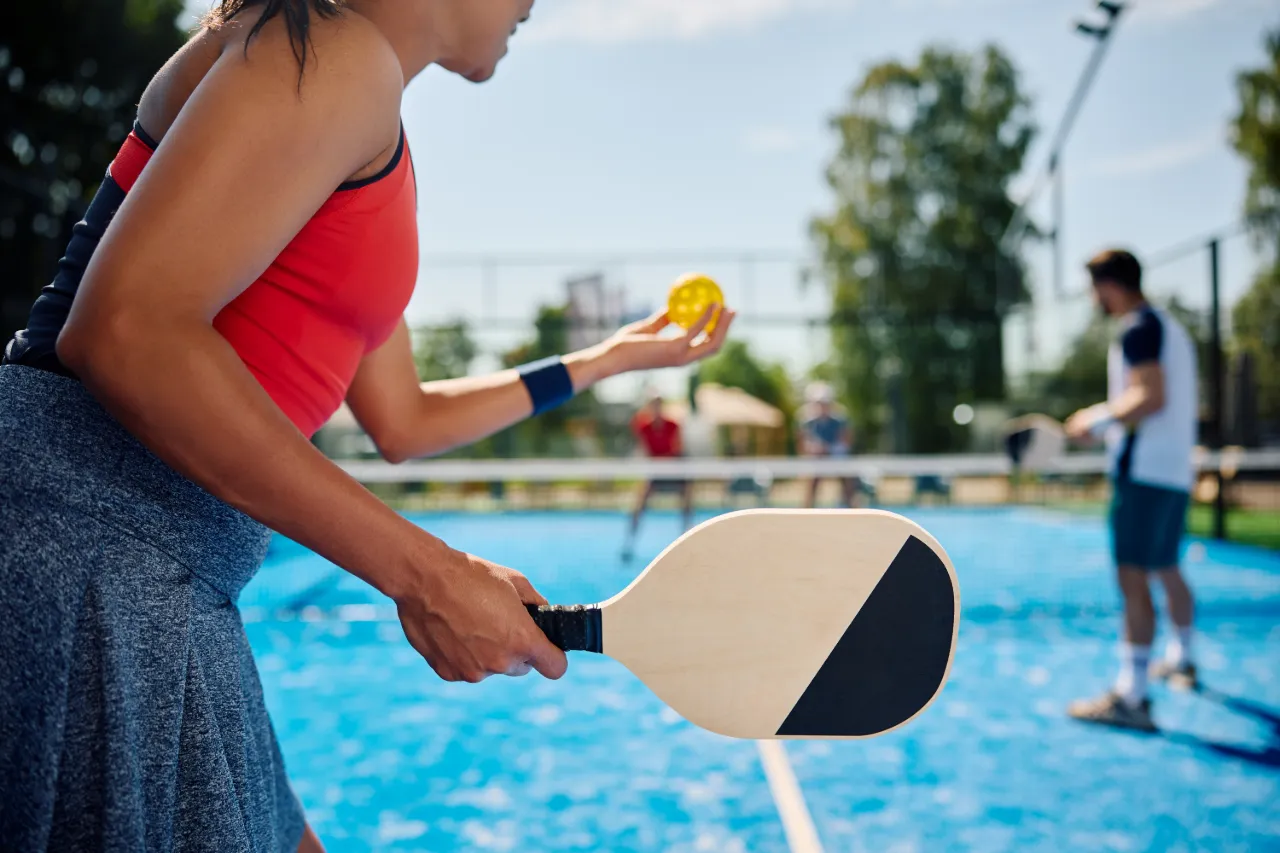

Consider seeking orthopaedic assessment if pain or swelling persists or worsens after a pickleball injury, or if you experience numbness, tingling, difficulty bearing weight or ongoing difficulty using the affected limb. Pickleball involves repeated swings, quick changes in direction and sudden movements, which can place stress on the muscles, tendons and joints of both the upper and lower limbs.
While some minor injuries may improve with initial rest and self-care, others may require further assessment to determine which structures are affected. Understanding common pickleball injuries, when to seek medical attention and how to reduce your risk can help you make more informed decisions about returning to the court.
Key Takeaways
- Pickleball injuries can affect the upper and lower limbs, including the shoulders, elbows, wrists, hands, knees and ankles.
- Injuries may result from repetitive movements, sudden changes in direction, twisting, falls or repeated loading over time.
- Persistent or worsening pain, increasing swelling, numbness, tingling or difficulty bearing weight may warrant orthopaedic assessment.
- Assessment may involve a physical examination and, where appropriate, imaging to determine the structures affected and guide treatment.
- Warming up, gradually increasing activity, using suitable technique and footwear and allowing adequate recovery may help reduce injury risk.
What Are Some Common Pickleball Injuries?
Pickleball involves repeated upper-limb movements as well as quick changes in direction, twisting and sudden stops. As a result, injuries can affect different parts of the body depending on the movements involved. These demands on the body, and the pain that may arise during play, are discussed further in Dr Kevin Koo’s Expat Living SG feature, “Pickleball Pain!”
Shoulder and Elbow Injuries
Repeated swinging can place stress on the shoulder and elbow, contributing to conditions such as rotator cuff injuries and tennis elbow. These injuries may cause pain during swinging, reaching or other movements involving the affected arm.
Hand and Wrist Injuries
Wrist sprains can occur when the wrist is overextended, while falls during play may result in fractures of the wrist or hand, particularly when a player reaches out to break a fall. Symptoms can include pain, swelling and difficulty moving or using the affected area.
Knee Injuries
Sudden changes in direction and twisting movements can place stress on the knee, with pickleball-related injuries including meniscus tears and patellar tendinitis. Depending on the injury, symptoms may affect activities such as walking, turning, squatting or continuing to play.
Ankle Sprains and Strains
Quick stops, starts and changes in direction can lead to ankle sprains or strains involving the ligaments, muscles or tendons around the joint. Pain, swelling and difficulty bearing weight can vary depending on the type and severity of the injury.
When Should You Visit an Orthopaedic Clinic for a Pickleball Injury?
Some minor pickleball injuries may improve with rest and activity modification. Orthopaedic assessment may be appropriate when symptoms do not improve as expected, become worse, or interfere with normal movement and function.
Signs that may warrant orthopaedic assessment include:
- Pain that persists despite rest
- Pain that becomes progressively worse
- Excessive or increasing swelling
- Numbness or tingling
- Difficulty or inability to bear weight
- Ongoing difficulty using or moving the affected joint or limb
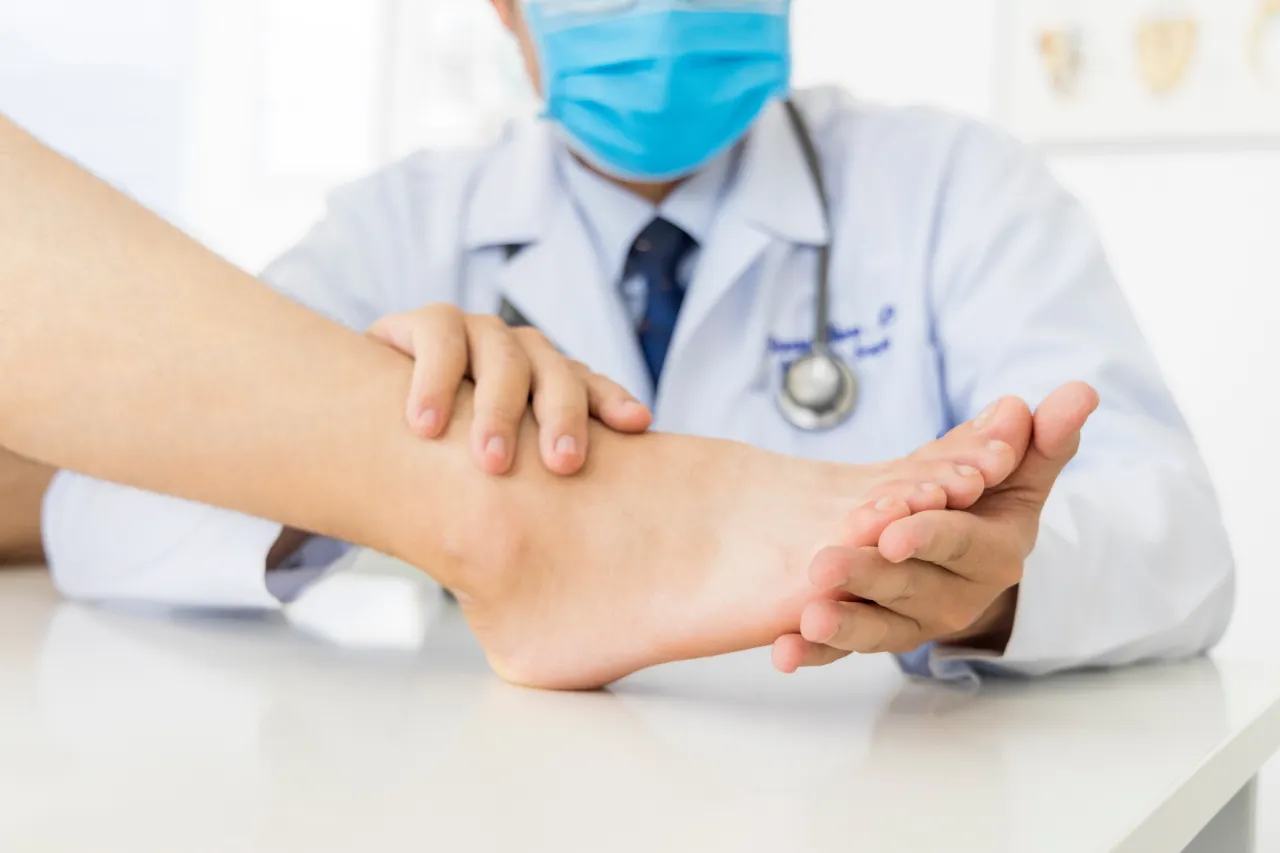
These symptoms can occur with different musculoskeletal injuries and do not by themselves establish a diagnosis. An orthopaedic assessment considers how the injury occurred, the symptoms and physical examination findings to determine which structures may be affected. Depending on the suspected injury, an X-ray, MRI, ultrasound or CT scan may also be used, with treatment guided by the diagnosis, severity of the injury and its effect on function.
How Can You Reduce Your Risk of Pickleball Injuries?
Pickleball involves repetitive movements and quick changes in direction, so preparing for these physical demands can be an important part of injury prevention. Although not every sports injury can be prevented, several practical measures may help reduce the risk.
- Warm Up Before Playing: Light movement and dynamic stretching can help prepare the muscles and joints for activity.
- Use Appropriate Playing Technique: Suitable footwork, movement patterns and paddle technique may help reduce unnecessary strain during repeated movements.
- Build Up Your Activity Gradually: Avoid suddenly increasing how often, how long or how intensely you play, particularly if you are new to pickleball or returning after a break.
- Wear Suitable Footwear: Supportive footwear with appropriate traction can help with the stopping, starting and changes in direction involved in pickleball.
- Allow Time for Recovery: Rest between sessions can be particularly important when playing frequently or increasing your activity level.
- Pay Attention to Pain: Avoid continuing to play through persistent or worsening pain. Resting the affected area and seeking assessment when symptoms do not improve may help prevent further aggravation.
Although these measures cannot eliminate the possibility of injury, they can help players manage some of the physical demands associated with pickleball.
Get an Orthopaedic Assessment for Your Pickleball Injury
Pain that lingers after you leave the pickleball court may be more than temporary soreness, particularly if it worsens or affects movement. An orthopaedic assessment can help determine what is causing the symptoms and how the injury may be managed.
At The Bone & Joint Centre, patients can receive assessment and treatment for sports injuries and other orthopaedic conditions. Dr Kevin Koo Oon Thien has experience in sports injuries and considers the patient’s symptoms, physical examination findings and relevant investigations when determining suitable treatment options. Arrange a consultation for an assessment to better understand your condition.