



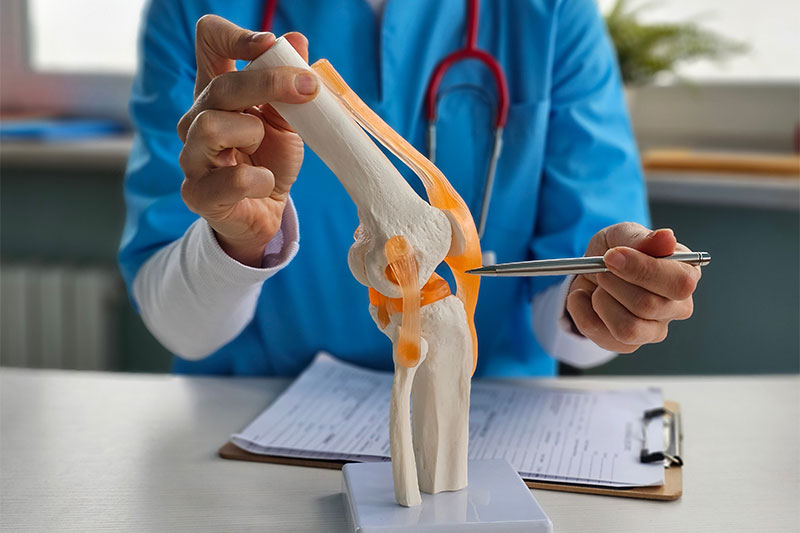

If you have recently undergone knee cartilage surgery, or are preparing for it, you may be wondering what happens next. How long will the swelling last? When can you walk normally again? And what does a well-managed recovery actually involve?
While every individual heals at a different pace, recovery after knee cartilage surgery generally follows a structured pathway. Continue reading as we explore each phase, helping you understand what to expect and take an active role in your progress. With the right guidance and consistency, rebuilding strength and stability after a knee cartilage injury becomes a clear and achievable goal.
The Immediate Post-Surgery Phase
In the first few days after surgery, swelling and stiffness are expected. The joint may feel tight, warm and tender as the body initiates healing. This inflammatory response is a natural part of tissue repair and helps signal the rebuilding process within the cartilage and surrounding structures.
You may be advised to use crutches or wear a brace to protect the treated area. Depending on the surgical technique performed, weight-bearing may be limited for several weeks. This precaution is necessary because cartilage has a limited blood supply and depends on a carefully controlled mechanical environment to heal effectively.
During this protective period, priorities typically include:
- Safeguarding the surgical repair
- Controlling inflammation and discomfort
- Preventing excessive joint stiffness through guided gentle motion
Gradual Return to Movement and Physiotherapy
Once the initial swelling begins to ease, one of the first priorities is restoring your knee’s range of motion. Physiotherapists guide you through gentle bending and straightening exercises that move the joint safely without overloading the healing cartilage.
As mobility improves, strengthening exercises are gradually introduced. The muscles around your knee, especially the quadriceps and hamstrings, act as natural shock absorbers, supporting every step and stabilising the joint during daily activities. Building this muscular support is essential for protecting the repair and preventing setbacks after a knee cartilage injury.
Why Swelling Persists
It is natural to notice that your knee remains puffy or tender even weeks after surgery. Cartilage repair is a delicate process, and mild swelling can continue for an extended period, particularly following more complex procedures. This is not necessarily a cause for concern. Instead, it is a normal part of internal healing, as fluid and blood cells continue to support tissue repair beneath the surface. Understanding this can help you stay patient and confident in your recovery journey.
Practical Strategies to Control Swelling
Managing post-surgical swelling effectively requires a structured approach. While mild discomfort is expected, there are strategies that can help reduce inflammation and support healing:
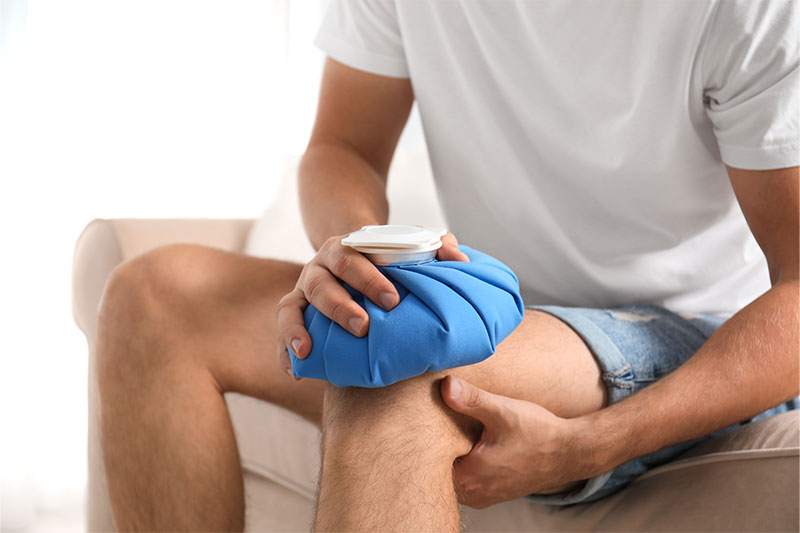
- Cold Therapy: Applying ice packs at recommended intervals helps limit fluid build-up and soothes irritation in the joint.
- Elevation: Raising the leg above heart level encourages blood flow back to the body and helps reduce swelling, particularly in the early weeks.
- Activity Modification: Avoiding prolonged standing, sudden twisting or high-impact movements prevents unnecessary strain on the healing cartilage.
- Medication Guidance: Anti-inflammatory medication may be prescribed based on your overall health and the specific procedure performed. Following your knee doctor’s instructions ensures safety and effectiveness.
Timeline for Returning to Daily Activities
Understandably, many patients want to know when life can return to normal after surgery. The answer depends on factors such as the size of the cartilage defect, the repair technique used and your overall conditioning.
In general, patients can resume light activity within two to four weeks, while full recovery may take three to 12 months depending on the procedure. Most return to sedentary work within one to two weeks, while jobs that involve heavy lifting or prolonged standing often require three to six months. Low-impact activities such as swimming or cycling are typically reintroduced after three to six months, once strength, stability, and joint control have been regained.
A Structured Recovery Plan with Dr Kevin Koo Oon Thien
Navigating recovery after knee cartilage surgery can feel overwhelming without clear direction. A well-coordinated plan that integrates surgical expertise, rehabilitation guidance and long-term monitoring makes a meaningful difference.
At The Bone & Joint Centre, care is led by Senior Consultant Orthopaedic Surgeon Dr Kevin Koo Oon Thien, who has more than 20 years of experience managing complex knee conditions and cartilage injuries. Each treatment and recovery strategy is thoughtfully tailored to the individual, with careful attention to functional goals and lifestyle demands.
If you are considering knee cartilage surgery or are currently in the recovery phase, seeking personalised advice can provide reassurance and clarity. Arrange a consultation to approach rehabilitation with confidence and work steadily towards restoring strength, stability and lasting joint health.