



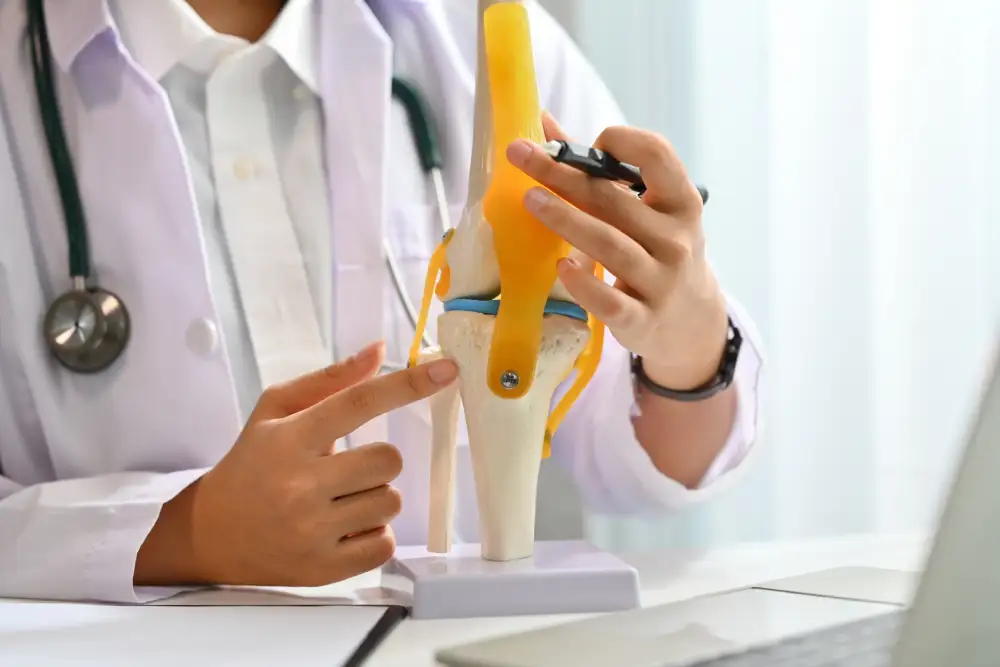

Joint pain, muscle injuries and mobility problems can affect everyday activities in different ways. If your symptoms persist or begin interfering with your quality of life, an orthopaedic consultation can help determine the underlying cause.
If it is your first visit to an orthopaedic clinic, it is natural to have questions about what the appointment involves. Understanding what happens before, during and after the consultation can help you feel more prepared and confident as you take the first step towards an assessment.
Before Your Appointment
Whether you are recovering from a knee injury or experiencing persistent joint pain, preparing for your appointment helps your orthopaedic specialist understand your condition more thoroughly. If available, bring any previous X-rays, MRI or CT scan reports, a list of your current medications and details of any past injuries, surgeries or medical conditions. If you were referred by another doctor, it is also helpful to bring your referral letter.
Discussing Your Symptoms and Medical History
Your consultation usually begins with a discussion about your symptoms, overall health and medical history. During this conversation, your orthopaedic specialist will review the information you have shared, clarify any relevant details and gain a better understanding of how your symptoms are affecting your daily life.
You may also be asked about previous injuries or surgeries, existing medical conditions, medications and any treatments you have already tried. Together with the findings from your physical examination, this information helps build a clearer picture of your condition and determine whether further investigations are required.
This is also an opportunity to raise any concerns, ask questions and discuss your personal goals, whether that involves returning to work, resuming sports or carrying out everyday activities more comfortably.
The Physical Examination
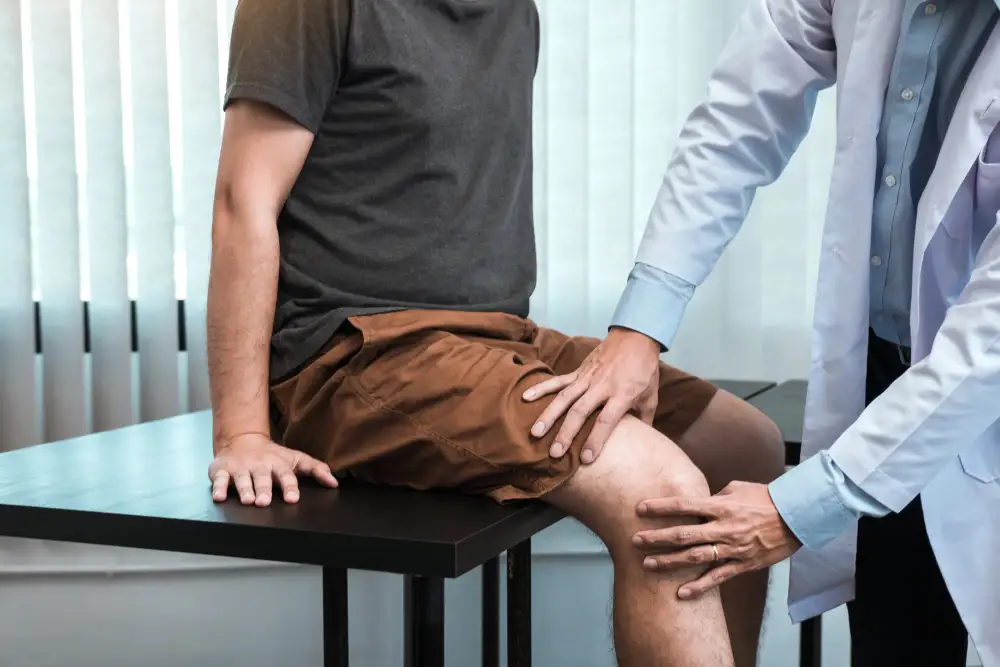
Following the discussion, your orthopaedic specialist will perform a physical examination focused on the affected area.
Depending on your symptoms, this may include assessing:
Range of Movement
You may be asked to bend, straighten or rotate the affected joint to assess flexibility and identify movements that reproduce pain or stiffness.
Strength and Stability
The muscles, tendons and supporting ligaments may be examined to determine whether weakness or joint instability is contributing to your symptoms.
Swelling and Tenderness
Your specialist may gently examine the affected area to identify swelling, areas of tenderness or signs of inflammation.
Walking and Movement
If your symptoms affect your hips, knees, ankles or feet, your walking pattern and overall movement may also be assessed. This can provide additional clues about how your condition is affecting your mobility.
Will I Need Imaging Tests?
Not every patient requires imaging during their first visit. In many cases, your medical history and physical examination provide enough information to make an initial assessment.
If additional information is needed, your orthopaedic specialist may recommend imaging tests such as:
- X-rays to evaluate bones, joint alignment or signs of arthritis
- MRI scans to assess ligaments, tendons, cartilage, muscles or other soft tissues
- CT scans for more detailed assessment of complex bone injuries or joint anatomy
- Ultrasound scans for selected tendon, ligament or soft tissue conditions
These investigations help confirm the diagnosis and guide the next steps in management where appropriate.
Understanding Your Diagnosis and Next Steps
Once your assessment is complete, your orthopaedic specialist will explain the findings and discuss the likely cause of your symptoms.
If a diagnosis can be made during the consultation, you will be informed about your condition, how it may affect your mobility and what to expect moving forward. If further investigations are required, these will usually be explained before a final diagnosis is confirmed.
Depending on your individual situation, your specialist may also discuss suitable management options, expected recovery timelines or whether follow-up appointments are recommended to monitor your progress.
Taking the First Step Towards Better Joint Health
Your first visit to an orthopaedic clinic is designed to provide a thorough assessment of your symptoms and identify the factors contributing to your condition. By understanding what happens during the consultation, you can attend your appointment feeling better prepared and more confident about the process.
At the Bone & Joint Centre in Singapore, individuals experiencing ongoing knee discomfort receive thorough assessment and tailored recommendations designed around their symptoms, daily activities and recovery goals. Treatment planning is led by Dr Kevin Koo Oon Thien, an orthopaedic surgeon with expertise in knee conditions, sports-related injuries and both surgical and non-surgical management of musculoskeletal concerns.
If knee pain has started affecting your movement or everyday routine, schedule a consultation to gain a clearer understanding of your condition and take the next step towards moving more comfortably again.
Frequently Asked Questions About Your First Orthopaedic Visit
Should I wear anything specific to my appointment?
Wear loose, comfortable clothing that allows the affected area to be examined easily. For example, shorts may be helpful if you are being assessed for a knee problem, while a sleeveless or loose-fitting top may be more suitable for a shoulder examination.
How long does the first orthopaedic consultation usually take?
The length of the consultation varies depending on the complexity of your condition. Initial appointments are generally longer than follow-up visits as they include a detailed discussion, physical examination and review of any previous imaging or medical records.
Can I bring someone with me to the appointment?
Yes. Many patients choose to bring a family member or friend, particularly if they have mobility difficulties or would like support during the consultation. They can also help remember the information discussed during the appointment.