
| Tel. | : +65 6970 5905 |
| Fax | : +65 6970 5906 |
| Mobile | : +65 9898 7781 |
| : hello@bjc.sg, drkevinkoo@bjc.sg |

| Tel. | : +65 6970 5905 |
| Fax | : +65 6970 5906 |
| Mobile | : +65 9898 7781 |
| : hello@bjc.sg, drkevinkoo@bjc.sg |
| Monday to Friday | : 8:30am to 5:30pm |
| Saturday & Sunday | : Closed |
| Public Holiday | : Closed |
Achilles Tendon Conditions in Singapore

Pain at the back of your heel or ankle can make everyday movements, from walking and climbing stairs to exercising, increasingly uncomfortable. Whether you are experiencing persistent stiffness or sudden pain following an injury, an Achilles tendon condition may be affecting your mobility.
Achilles tendon conditions can range from overuse injuries to partial or complete tendon tears. Understanding the nature of your condition is an important step towards receiving appropriate care and returning to your daily activities.

Common Achilles Tendon Conditions
The Achilles tendon is a strong band of tissue connecting the calf muscles to the heel bone. It plays an important role in walking, running, jumping and pushing off the ground.
Achilles tendon conditions refer to injuries or disorders affecting this tendon. They may develop gradually due to repeated strain or occur suddenly following a forceful movement or injury.
Common types of achilles tendon conditions include:
- Achilles tendonitis: A term commonly used to describe inflammation or irritation of the Achilles tendon, often associated with increased physical activity or repetitive strain.
- Achilles tendinopathy: A broader term describing tendon pain and impaired function, sometimes accompanied by changes in tendon structure. It may affect the midportion of the tendon or its attachment to the heel bone.
- Achilles tendon rupture: A partial or complete tear of the tendon, which may occur during sudden acceleration, jumping or changes in direction. A complete rupture can significantly affect the ability to push off the foot.
These conditions differ in severity and treatment needs, making an accurate diagnosis important for determining the appropriate course of care.
Possible Causes of Achilles Tendon Pain and Injuries
Achilles tendon conditions may develop when the tendon is subjected to excessive strain, experiences reduced load tolerance or sustains a sudden injury.
Common contributing factors include:
- Sudden increases in activity: Rapidly increasing running distance, speed or exercise intensity.
- Repetitive strain: Frequent running, jumping or other activities that repeatedly load the tendon.
- Tight or weak calf muscles: Reduced flexibility or strength may affect how the tendon handles physical demands.
- Inappropriate footwear: Shoes that are unsuitable for an activity may contribute to tendon strain.
- Age-related changes: Tendon strength and elasticity may change with age, increasing susceptibility to injury.
- Foot mechanics: Certain walking or running patterns may influence how forces are distributed through the tendon.
- Sudden forceful movements: Explosive movements or abrupt changes in direction may result in a partial or complete tendon rupture.
What Are the Signs and Symptoms of Achilles Tendon Damage?
Symptoms vary depending on the type and severity of the condition. Some develop gradually, while others appear suddenly following an injury.
Common signs include:
- Pain or tenderness at the back of the heel or along the Achilles tendon.
- Stiffness when taking the first few steps in the morning or after resting.
- Swelling or thickening around the affected tendon.
- Discomfort during walking, running or climbing stairs.
- Reduced ankle mobility or difficulty standing on tiptoes.
- A sudden popping sensation or sharp pain at the back of the ankle, which may indicate a tendon rupture.
- Difficulty pushing off the affected foot or walking normally after an injury.
Sudden severe pain, a popping sensation or difficulty pushing off the foot warrants prompt medical assessment, as these may be signs of an Achilles tendon rupture.
What Are the Treatment Options for Achilles Tendon Conditions?
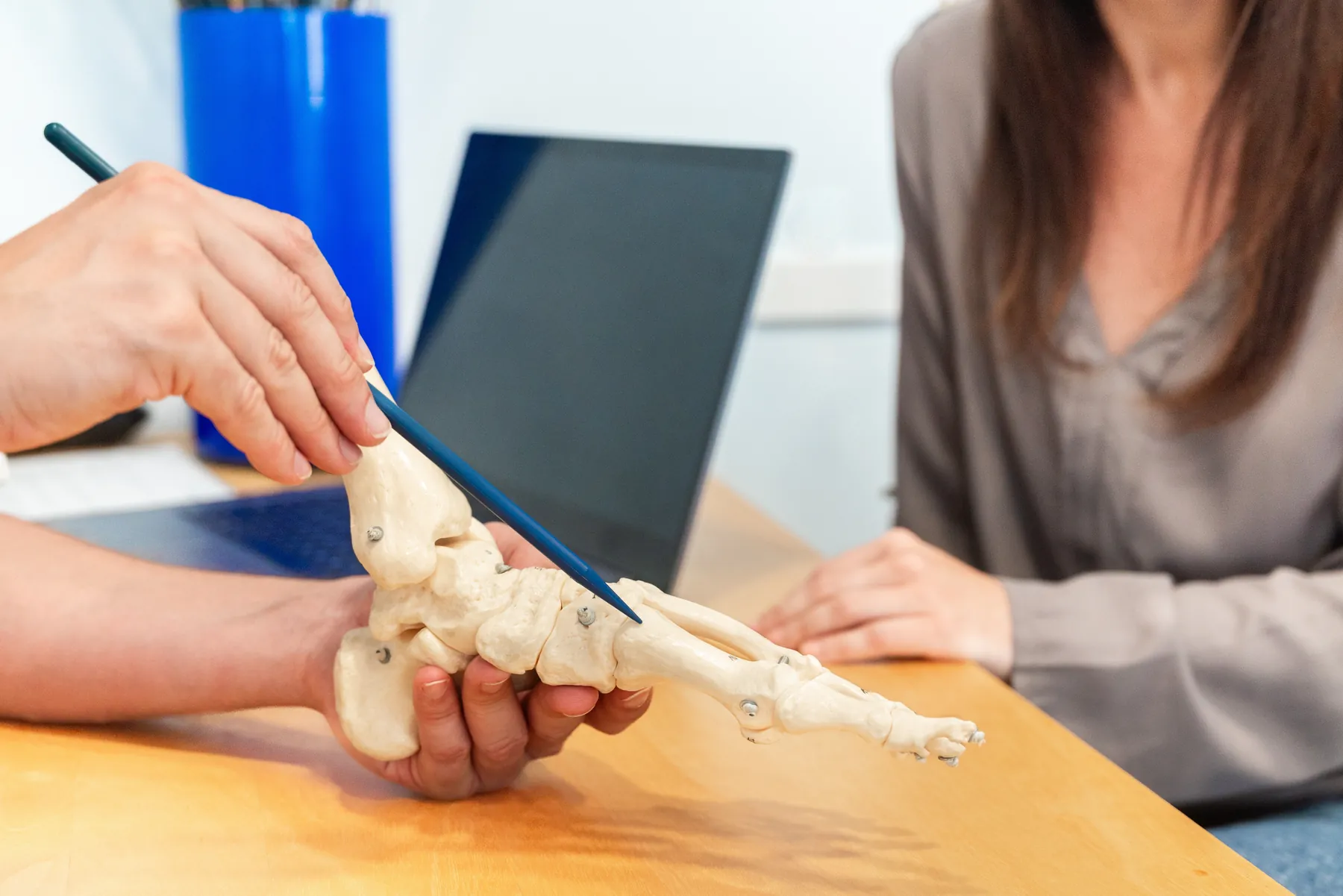
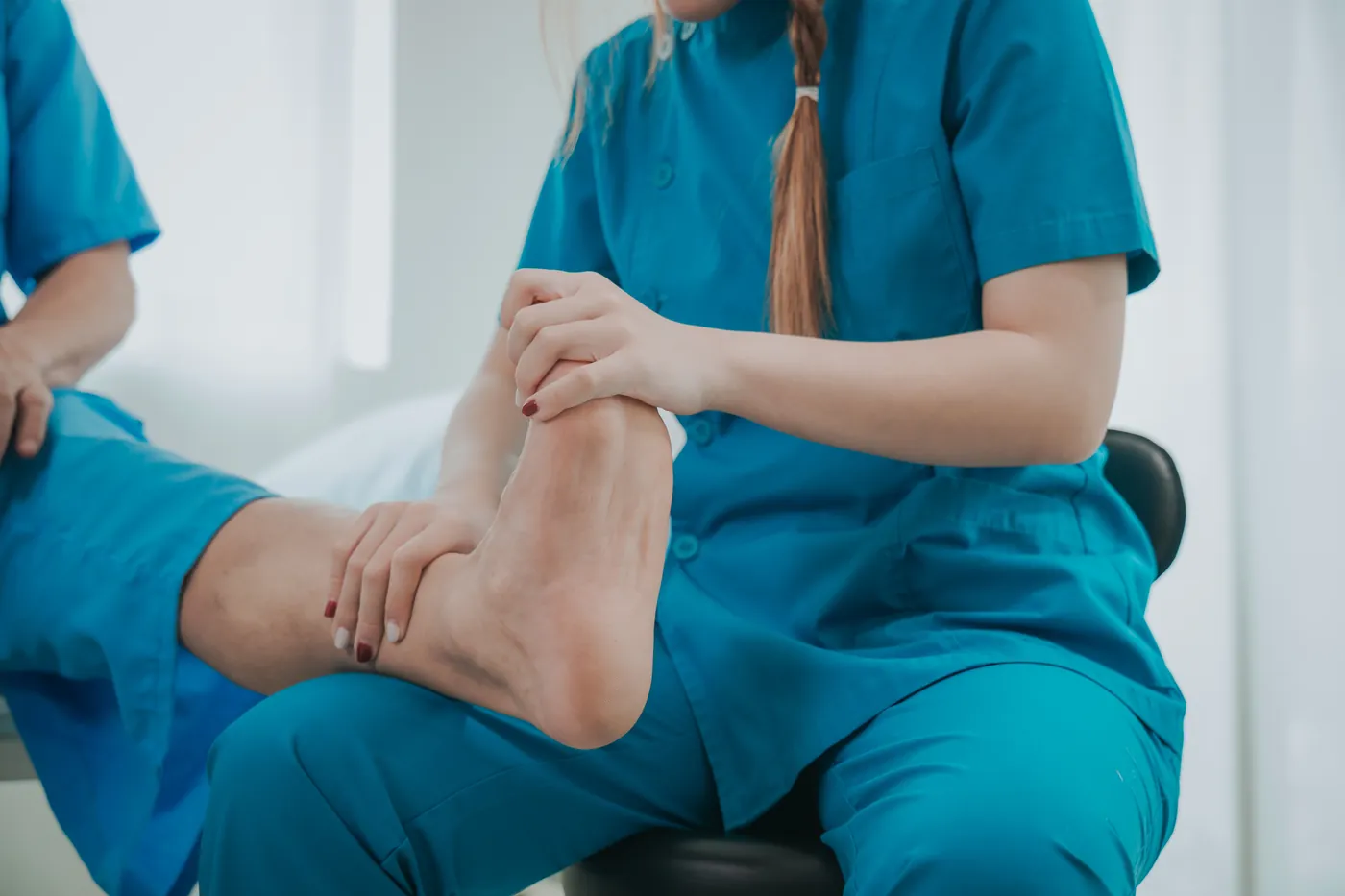
Treatment depends on the type and severity of the Achilles tendon condition, the extent of tendon damage and the patient's activity needs. An orthopaedic assessment may include a physical examination and imaging, such as ultrasound or magnetic resonance imaging (MRI), when necessary.
Non-Surgical Treatment
Non-surgical treatment may be suitable for many cases of Achilles tendinopathy and selected tendon ruptures. Depending on the diagnosis, treatment options may include:
- Activity modification: Adjusting activities that aggravate the tendon while maintaining suitable levels of movement.
- Physiotherapy: A structured rehabilitation programme to improve calf strength, tendon load tolerance and mobility.
- Footwear adjustments: Supportive footwear or heel lifts may help reduce strain on the affected tendon.
- Cold therapy: Applying a cold pack may provide temporary relief from pain and swelling.
- Medication: Appropriate pain-relief medication may be considered following medical advice.
- Immobilisation: A walking boot or brace may be recommended for certain tendon injuries, including selected Achilles tendon ruptures, to support healing.
Surgical Treatment
Surgery may be considered for selected Achilles tendon ruptures, certain partial tears or persistent tendinopathy that has not improved with appropriate non-surgical treatment. Depending on the condition, surgical procedures may involve:
- Achilles tendon repair: Reconnecting torn tendon ends following a rupture.
- Tendon debridement: Removing damaged or degenerated tendon tissue.
- Tendon reconstruction: Repairing or reinforcing extensively damaged tendon tissue, sometimes using a tendon transfer.
- Removal of associated bony abnormalities: Addressing bone spurs or other structural problems contributing to insertional Achilles tendon pain.
Where appropriate, minimally invasive surgical techniques may be considered to limit disruption to surrounding tissues.
Why Consider The Bone & Joint Centre for Achilles Tendon Care?
Over 20 Years of Orthopaedic Experience
Dr Kevin Koo is a fellowship-trained senior consultant surgeon with over 20 years of experience in managing foot and ankle conditions.
Former Director of SGH's Foot and Ankle Service
Dr Koo previously led the Foot and Ankle Service at Singapore General Hospital (SGH), managing both routine and complex foot and ankle conditions.
Advanced Fellowship Training in London
He completed specialised fellowship training in the United Kingdom, further developing his expertise in foot and ankle surgery and sports injury management.
Experience in Minimally Invasive Surgery
Where appropriate, Dr Koo uses minimally invasive techniques to minimise tissue disruption, with treatment tailored to each patient's condition and needs.
Seek Care for Achilles Tendon Conditions at The Bone & Joint Centre
Achilles tendon pain has a way of narrowing your world. A morning jog becomes a negotiation, a flight of stairs becomes something to plan around, and the frustration builds when the discomfort lingers. Seeking timely medical attention can help you better understand your condition and take informed steps towards managing it.
At The Bone & Joint Centre, Dr Kevin Koo combines his experience in foot and ankle care with a patient-centred approach, taking the time to understand your concerns and recommend care suited to your needs. Book an appointment with Dr Koo to have your symptoms assessed and take the next step towards managing your Achilles tendon pain.
Frequently Asked Questions (FAQs) About Achilles Tendon Conditions
Can I continue walking with an Achilles tendon injury?
It depends on the type and severity of the injury. Walking may be possible with mild tendinopathy, but it can also remain possible after a tendon rupture. If you experience sudden pain, weakness or difficulty pushing off your foot, seek prompt medical assessment rather than continuing to walk on the injury.
How long does an Achilles tendon injury take to heal?
Recovery varies depending on the condition and its severity. Achilles tendinopathy may require several months of rehabilitation, while recovery from a tendon rupture often takes 6–12 months or longer before returning to demanding sports activities.
Can an Achilles tendon rupture heal without surgery?
Yes. Selected Achilles tendon ruptures can be managed without surgery using a structured rehabilitation programme and appropriate immobilisation. The decision depends on factors such as the nature of the tear, tendon alignment, activity demands and individual patient circumstances.
Can Achilles tendon conditions recur after treatment?
Yes. Achilles tendon problems may recur, particularly if activity levels increase too quickly or contributing factors remain unaddressed. Progressive strengthening, appropriate load management and suitable footwear may help reduce the risk of recurrence.
Helpful Links
Meet Our Specialist
Meet Our Doctor
Dr Kevin Koo Oon Thien
FRCSEd (Orth), FAMS
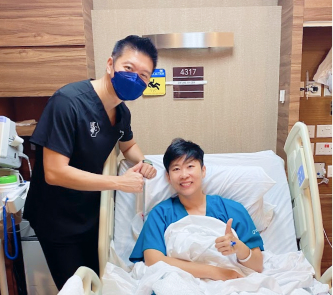
Dr Kevin Koo is a fellowship-trained senior consultant surgeon with over 20 years of experience managing foot and ankle conditions, including Achilles tendon injuries. As the former director of the Foot and Ankle Service at Singapore General Hospital, he has managed both routine and complex cases. Dr Koo focuses on identifying the underlying cause of symptoms and developing treatment plans tailored to each patient's condition and recovery goals.


| Tel. | : +65 6970 5905 |
| Fax | : +65 6970 5906 |
| Mobile | : +65 9898 7781 |
| : hello@bjc.sg , drkevinkoo@bjc.sg |
| Mon - FriMonday to Friday | :8:30am to 5:30pm |
| Sat, Sun and PHSaturday, Sunday & PH | :Closed |
Well-being: Our Focus at
The Bone & Joint Centre.
get in touch as soon as possible.


