
| Tel. | : +65 6970 5905 |
| Fax | : +65 6970 5906 |
| Mobile | : +65 9898 7781 |
| : hello@bjc.sg, drkevinkoo@bjc.sg |
| Tel. | : +65 6970 5905 |
| Fax | : +65 6970 5906 |
| Mobile | : +65 9898 7781 |
| : hello@bjc.sg, drkevinkoo@bjc.sg |
| Monday to Friday | : 8:30am to 5:30pm |
| Saturday & Sunday | : Closed |
| Public Holiday | : Closed |
Total Knee Replacement Surgery in Singapore

Living with ongoing knee pain can affect everything from walking and climbing stairs to staying active and independent. For some individuals, knee replacement surgery may be an option when other treatments are no longer effective.
At The Bone and Joint Centre in Singapore, Dr Kevin Koo can assess your condition and discuss whether knee replacement surgery may be an appropriate treatment option.
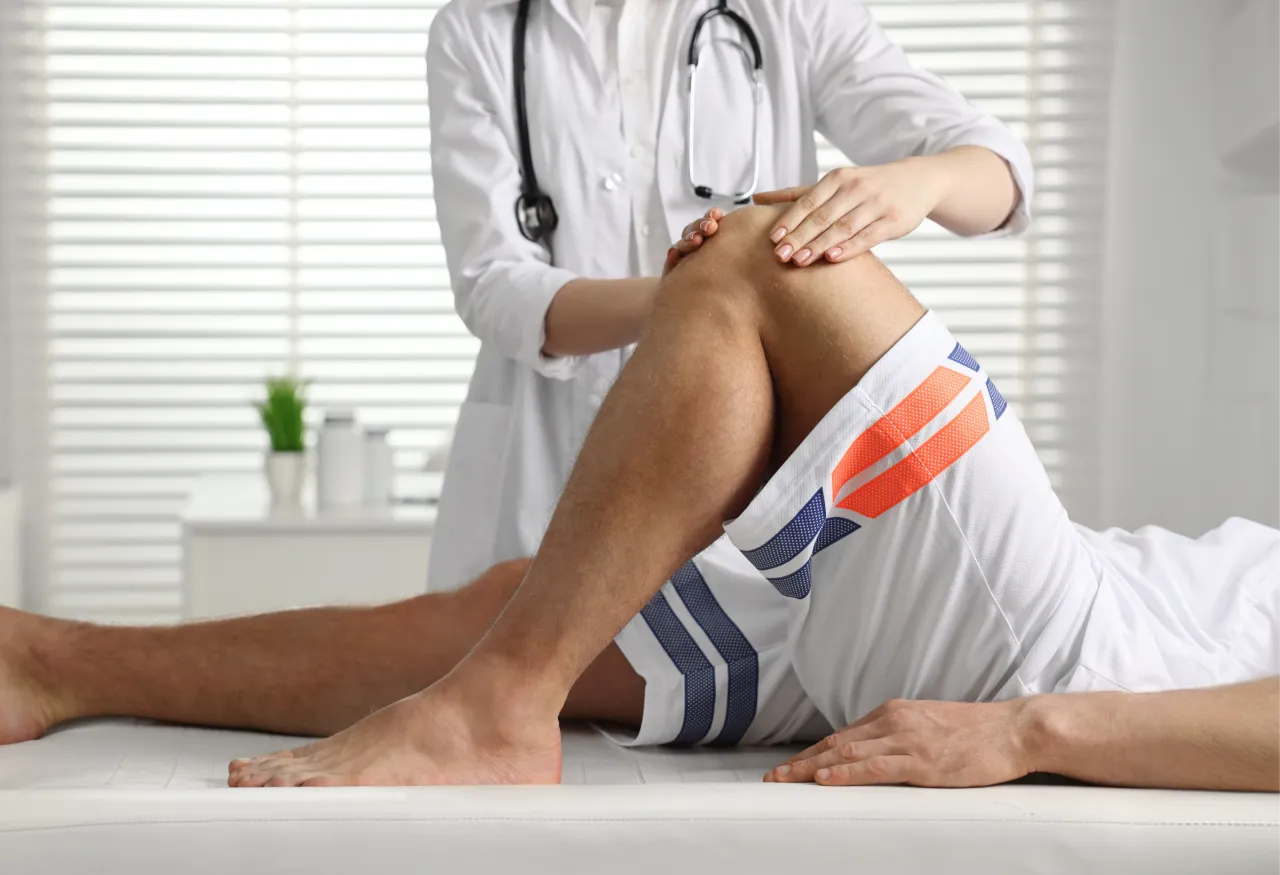
What Is Knee Replacement Surgery?
Knee replacement surgery, also known as knee arthroplasty or total knee replacement surgery, is a procedure used to replace damaged joint surfaces with artificial components. It is commonly performed when arthritis or joint damage causes persistent pain and reduced function that no longer responds adequately to non-surgical treatment.
The goal of surgery is to relieve pain, improve movement and help patients return to daily activities with greater comfort and confidence.
What Are the Different Types of Knee Replacement Surgery in Singapore?
There are a variety of knee replacement surgeries available for people who are diagnosed with chronic knee joint issues. The choice will depend on the severity of the condition, the general health of the patient and the knee specialist’s recommendation.
- Total knee replacement - Replaces the entire knee joint with artificial components. It is commonly recommended for advanced arthritis affecting multiple parts of the knee.
- Unicompartmental knee replacement - Replaces only the damaged compartment of the knee while preserving healthy joint structures. This may be suitable when arthritis is confined to a single compartment.
- Patellofemoral replacement- Replaces the damaged joint surfaces between the kneecap and thigh bone. It may be considered when arthritis is limited to the patellofemoral compartment.
- Revision knee replacement- Performed when a previous knee replacement has worn out, loosened or is no longer functioning as intended. The existing implant is removed and replaced with a new one.

Signs You May Need Knee Replacement Surgery
Persistent symptoms can gradually affect mobility, independence and quality of life. Signs that may indicate the need for further assessment include:
- Chronic knee pain that interferes with daily activities
- Ongoing swelling around the joint
- Stiffness that limits movement
- Difficulty walking longer distances
- Pain when climbing stairs
- Reduced mobility and function
- Difficulty standing up from a seated position
- Knee deformity or progressive changes in alignment
Who Is a Suitable Candidate for Total Knee Replacement?
Knee replacement surgery may be suitable for individuals with significant joint damage that affects function and quality of life.
Suitable candidates may include people with:
- Advanced osteoarthritis
- Rheumatoid arthritis affecting the knee
- Post-traumatic arthritis
- Severe cartilage loss
- Progressive joint degeneration
- Persistent symptoms despite physiotherapy, medications or injections
A comprehensive assessment helps determine whether knee replacement is the most appropriate treatment option.
What are the Benefits of Knee Replacement Surgery?
Knee replacement surgery is intended to relieve symptoms and improve function. Potential benefits may include:
- Pain Relief - Replacing damaged joint surfaces may significantly reduce arthritis-related pain.
- Improved Mobility - Many patients experience greater ease with walking and everyday movement following recovery.
- Enhanced Knee Function - Improved joint mechanics may allow the knee to function more effectively during daily activities.
- Improved Quality of Life - Reduced discomfort and better mobility can support greater independence and participation in work, exercise and recreation.
What Happens During Knee Replacement Surgery?
Knee replacement surgery is performed under anaesthesia to ensure patient comfort throughout the procedure. During surgery, damaged cartilage and bone are removed from the affected joint surfaces. These areas are then replaced with artificial components designed to recreate the function of the natural knee joint. Once the implants are positioned and alignment is confirmed, the surgical site is closed.
How Do I Know If I Need Knee Replacement Surgery?
Knee replacement surgery may be considered when conservative treatments no longer provide adequate relief or help you maintain your usual level of function. If you have undergone treatments such as physiotherapy, medications, injections or activity modification without meaningful improvement, it may be time to seek specialist advice.
A consultation can help determine whether your knee joint has deteriorated to a stage where surgical treatment may be beneficial. Your orthopaedic surgeon will assess your condition, review any imaging studies and discuss the most appropriate treatment options based on your individual needs and goals.
What Are the Potential Risks of a Knee Replacement?
Knee replacement surgery is commonly performed and generally considered safe, especially in the hands of an experienced surgeon. However, as with any operation, there are risks involved, which may include.
- Blood Clots - Blood clots can occasionally develop in the legs after surgery. Preventive measures are often used to reduce this risk.
- Implant Issues - Over time, implants may wear, loosen or require revision surgery, although modern implants are designed for long-term durability.
- Nerve Damage - Injury to surrounding nerves is uncommon but may result in numbness, weakness or altered sensation.
- Persistent Pain or Stiffness - Some patients may continue to experience discomfort or reduced flexibility despite surgery.
- Anaesthesia Complications - As with any procedure requiring anaesthesia, there are small risks associated with the medications used.
Your medical team will work closely to ensure that risks are kept to a minimum and any issues that arise are promptly managed.
What Are Knee Replacement Implants Made Of?
Replacement implants are usually made up of long-lasting, medical-grade metal, ceramic, or plastic materials. The most popular choices are cobalt-chromium-based alloys and titanium, which is biocompatible. Plastic prostheses, meanwhile, typically use polyethylene. There are also cases where implants are made up of ceramics such as oxidised zirconium.
How Long Do Knee Replacement Implants Last?
Modern knee replacement implants are designed to be durable and long-lasting. Many implants continue to function well for 15 to 20 years or longer, with studies showing that more than 90% remain in place after 15 years. Some research also suggests that approximately 82% of total knee replacements may still be functioning after 25 years.
Implant longevity can vary depending on factors such as activity level, body weight, overall joint health and implant positioning. As a result, many patients may never require a revision procedure during their lifetime.
How Long Is the Knee Replacement Recovery Time?
Knee replacement surgery in Singapore has an average recovery time of six months. Returning to normal and physically taxing activities may take 12 months. During this recovery period, patients should adhere closely to their doctor’s instructions, make necessary lifestyle modifications, take their medications as prescribed, and do their physiotherapy exercises as advised, so as to speed up healing.
What Is the Difference Between Partial and Total Knee Replacement Surgery?
A partial knee replacement replaces only the damaged compartment of the knee while preserving healthy portions of the joint. It is typically considered when arthritis is confined to one area of the knee.
A total knee replacement replaces the entire knee joint surface and is generally recommended when arthritis or joint damage affects multiple compartments. The most appropriate procedure depends on the extent of joint degeneration and individual treatment goals.

Why Choose Dr Kevin Koo for Knee Replacement Surgery in Singapore?
- Over 20 Years of Orthopaedic Experience - Dr Kevin Koo is a fellowship-trained Senior Consultant Orthopaedic Surgeon with extensive experience managing a wide range of foot and ankle conditions.
- Advanced Fellowship Training in London - He completed specialised fellowship training in the United Kingdom, further developing his expertise in foot and ankle surgery and sports injury management.
- Experienced in Managing Knee Arthritis and Joint Degeneration - Dr Koo regularly assesses and treats patients with knee arthritis, cartilage damage and other conditions that may require knee replacement surgery.
- Expertise in Joint Replacement Surgery - Dr Koo performs knee replacement procedures for patients with advanced joint damage, helping to improve mobility and function.
Seeking Help
The knees are a common area of injury and disease, especially as one ages. Should you experience any persistent or debilitating symptoms, visit an orthopaedic clinic with a knee surgeon who can diagnose the condition and administer appropriate treatment promptly.
Headed by Dr Kevin Koo, The Bone & Joint Centre is an established orthopaedic clinic in Singapore that offers medical and surgical treatments for knee problems. Contact our clinic today for more information.
Frequently Asked Questions About Knee Replacement Surgery
How long do you need a walker after knee replacement?
Many patients use a walker for several weeks after surgery, although the exact duration varies depending on strength, balance and recovery progress. Your surgeon will advise when it is safe to transition to a walking stick or walk independently.
Can you have a normal life after knee replacement?
Many patients return to daily activities with improved comfort and mobility following recovery. Low-impact activities such as walking, swimming and cycling are often encouraged once healing is complete.
What should you avoid after a knee replacement procedure?
High-impact activities that place excessive stress on the joint may be discouraged. Your surgeon will provide guidance on suitable activities based on your recovery and lifestyle.
When can I drive, fly or return to work?
The timeline varies depending on your recovery progress and the type of work you perform. Many patients return to office-based work within several weeks, although individual recommendations may differ.
Should I replace both knees at the same time?
This depends on your overall health, the severity of symptoms and your surgeon's assessment. Some patients may be suitable candidates for bilateral knee replacement, while others may benefit from staged procedures.
How painful is knee replacement surgery?
Some discomfort is expected after surgery, but pain management strategies and physiotherapy will be recommended to facilitate recovery. Ultimately, the long-term aim of knee replacement is to reduce chronic knee pain and improve function.
Will I trigger airport metal detectors after knee replacement surgery?
It is possible for knee replacement implants to trigger airport metal detectors, as they are typically made from metal alloys such as titanium or cobalt-chromium. If this occurs, airport security personnel may perform additional screening. Modern scanners are designed to assess a variety of medical implants and security staff are familiar with these situations.
Can I postpone or avoid knee replacement?
In some cases, symptoms may be managed with physiotherapy, medications, injections and lifestyle modifications. However, if these measures no longer provide sufficient relief, surgery may eventually be recommended.
Our Knee Replacement Surgeon in Singapore
Meet Our Doctor
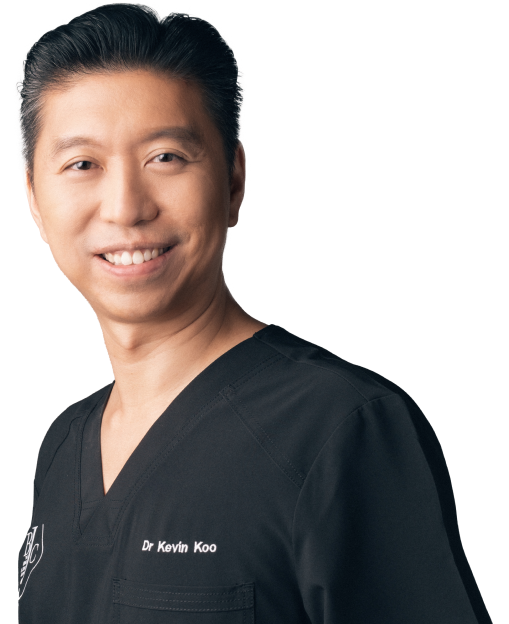
Dr Kevin Koo Oon Thien
FRCSEd (Orth), FAMS
Dr Kevin Koo is a skilled knee replacement surgeon with over 20 years of experience in orthopaedic surgery. Dr Koo completed a fellowship at St. Mary's and Charing Cross Hospitals, Imperial College Healthcare in London, UK, where he worked with internationally recognised orthopaedic surgeons and treated professional athletes and dancers.
His practice interests include foot and ankle surgery, joint replacements, sports and minimally invasive surgery. He has presented extensively at international, regional as well as local conferences including the prestigious American Academy of Orthopaedic Surgeons (AAOS) as well as the British Society for Surgery of the Hand (BSSH) Annual Scientific Meetings.

| Tel. | : +65 6970 5905 |
| Fax | : +65 6970 5906 |
| Mobile | : +65 9898 7781 |
| : hello@bjc.sg , drkevinkoo@bjc.sg |
| Mon - FriMonday to Friday | :8:30am to 5:30pm |
| Sat, Sun and PHSaturday, Sunday & PH | :Closed |
Well-being: Our Focus at
The Bone & Joint Centre.
get in touch as soon as possible.


| Tel. | : +65 6970 5905 |
| Fax | : +65 6970 5906 |
| Mobile | : +65 9898 7781 |
| : hello@bjc.sg , drkevinkoo@bjc.sg |
| Mon - FriMonday to Friday | :8:30am to 5:30pm |
| Sat, Sun and PHSaturday, Sunday & PH | :Closed |