



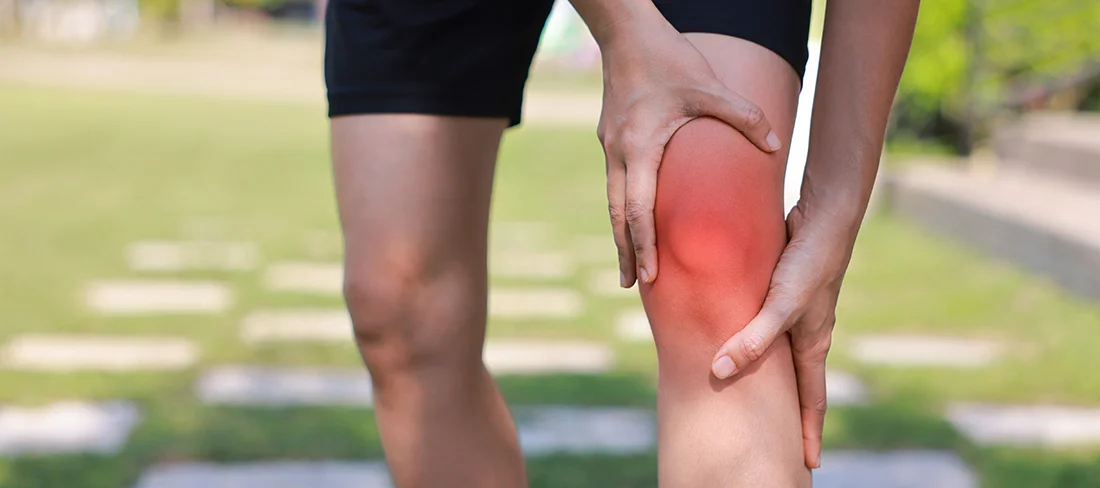

Knee cartilage can become damaged through injury, repeated stress or gradual wear. Because cartilage plays an important role in allowing the knee joint to move smoothly, damage to it may lead to pain, swelling or difficulty with activities such as walking, climbing stairs and exercising.
Unlike some other tissues in the body, articular cartilage, which covers the ends of bones within the knee joint, has a limited ability to repair itself. Whether treatment is needed depends on factors such as the type, location and extent of the damage, as well as the symptoms it causes.
Key Takeaways
- Damaged knee cartilage has a limited ability to heal naturally because articular cartilage has little to no direct blood supply.
- Not every cartilage injury requires surgery. Management depends on the type, size, depth and location of the damage, as well as your symptoms and activity level.
- Non-surgical approaches may help manage symptoms and improve knee function, even if they do not cause damaged cartilage to regrow.
- Cartilage restoration may be considered when symptoms persist despite appropriate non-surgical management and the cartilage defect is suitable for treatment.
Why Is Knee Cartilage Difficult to Repair Naturally?
Knee cartilage is difficult to repair naturally because articular cartilage has little to no direct blood supply. Blood normally delivers cells and nutrients that support tissue healing, so damaged cartilage cannot repair itself as readily as tissues such as skin or muscle.
Articular cartilage contains specialised cells called chondrocytes, but these have a limited capacity to repair damaged tissue. As a result, damage may persist rather than being replaced with healthy cartilage, particularly when an injury extends deeper or affects a larger area.
However, limited natural healing does not mean every knee cartilage injury requires surgery. Some areas of cartilage damage may cause few or manageable symptoms. It is also important to distinguish articular cartilage damage from injuries to other knee structures, such as the meniscus, which has different healing characteristics.
What Affects Whether Knee Cartilage Can Recover?
The potential for recovery depends on the characteristics of the cartilage damage and the individual patient. Rather than considering cartilage damage as a single condition, doctors may look at several factors when deciding how it should be managed.
These can include:
- Type of cartilage affected: Articular cartilage and the meniscus have different structures and healing potential.
- Size and depth of the damage: A small, superficial defect may be managed differently from a deeper injury involving the underlying bone.
- Location of the injury: Damage in a weight-bearing part of the knee may affect movement differently from damage elsewhere in the joint.
- Age and activity level: These may influence treatment decisions and the demands placed on the knee.
- Other knee problems: Ligament injuries, meniscus damage or alignment problems may influence symptoms and treatment.
- Severity of symptoms: Persistent pain, swelling or limitations in knee function may warrant further assessment.
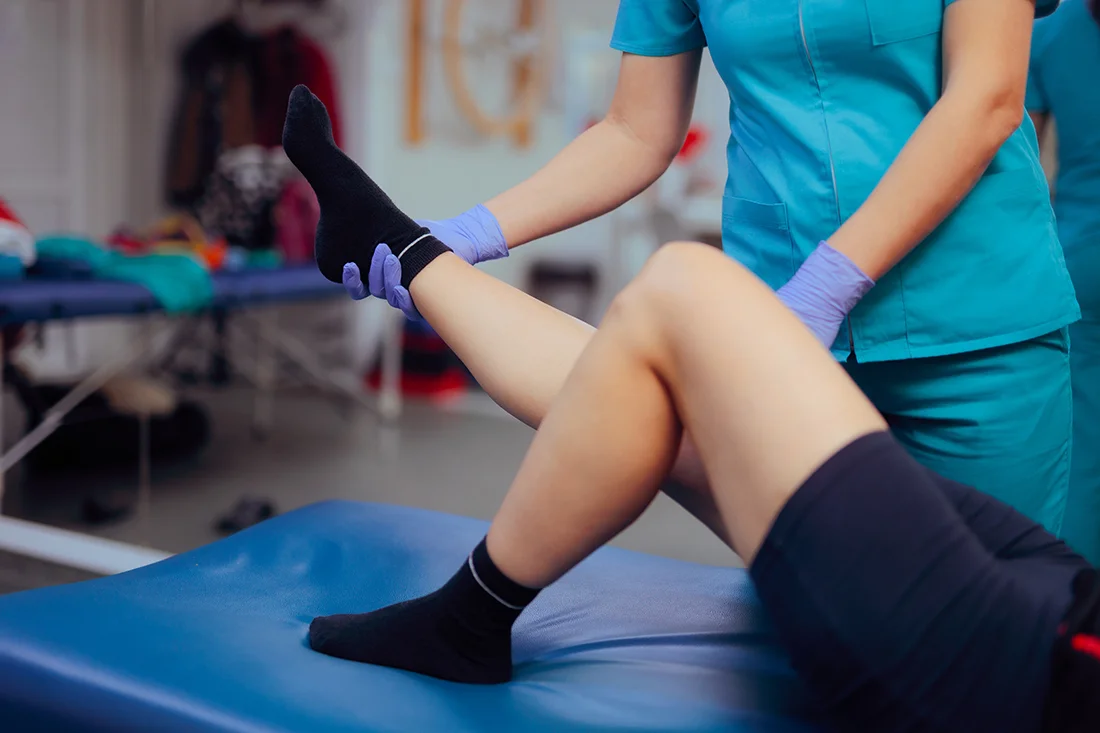
Can Knee Cartilage Damage Be Managed Without Surgery?
Yes. Some knee cartilage injuries can be managed without surgery, particularly when symptoms are manageable and the damage does not significantly interfere with knee function.
Depending on the condition, non-surgical management may include:
- Activity modification: Reducing or temporarily avoiding movements that repeatedly aggravate the knee.
- Physiotherapy: Exercises may be used to improve strength, mobility and knee function.
- Weight management: Where appropriate, maintaining a suitable body weight may help reduce load on the knee joint.
- Pain management: Your doctor may discuss suitable approaches for controlling symptoms while the knee is being rehabilitated.
The aim of conservative management is not necessarily to make damaged cartilage regrow. Instead, it may help manage symptoms, improve function and reduce unnecessary stress on the affected knee.
When May Cartilage Restoration Be Considered?
Cartilage restoration may be considered when a patient has a cartilage defect that continues to cause symptoms despite appropriate non-surgical management.
The suitability of a cartilage restoration procedure depends on factors such as the size, depth and location of the defect, the condition of the surrounding cartilage, the patient's age and activity level and whether other knee problems are present.
Depending on the condition of the knee, surgical approaches may aim to stimulate the formation of repair tissue or treat the damaged area using cartilage restoration techniques. Associated problems, such as ligament injuries or knee alignment issues, may also need to be considered.
Protect Your Knee Health With The Bone & Joint Centre
Damaged knee cartilage can affect your mobility and quality of life, particularly when pain, swelling or stiffness makes it harder to exercise, work or carry out everyday activities. Discussing persistent symptoms with a healthcare professional can help clarify what is causing them, assess the extent of the cartilage damage and determine appropriate next steps for your knee health.
At The Bone & Joint Centre, patients with knee and cartilage concerns can have their condition assessed by Dr Kevin Koo Oon Thien, an orthopaedic surgeon with over 20 years of experience. Dr Koo has expertise in knee conditions, sports-related injuries and the surgical and non-surgical management of musculoskeletal concerns.
If ongoing knee symptoms are affecting how you move or the activities you enjoy, book an appointment with us for an assessment.