



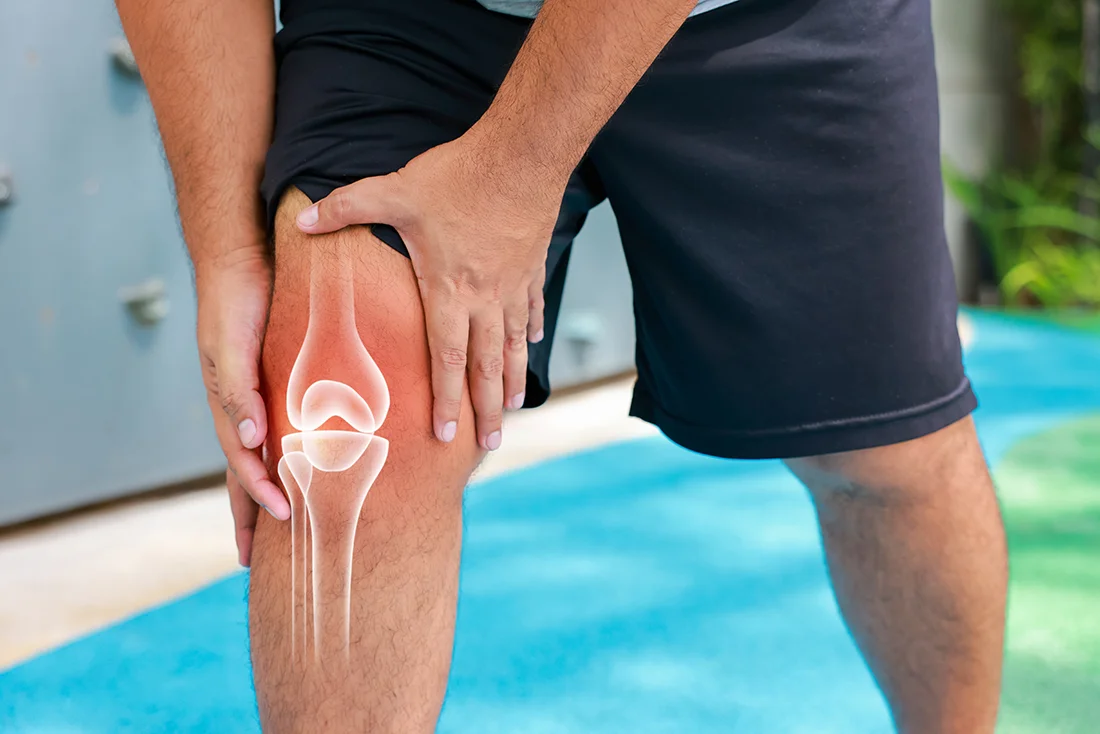

A knee cartilage injury can affect how comfortably you walk, exercise or carry out everyday activities. Depending on the location and extent of the damage, symptoms may range from mild discomfort and swelling to stiffness or difficulty putting weight on the affected knee.
Understanding what happens after a knee cartilage injury—from assessment and treatment to rehabilitation—can help you know what to expect and when it may be appropriate to seek medical advice.
What Happens to the Knee After a Cartilage Injury?
Following a cartilage injury, you may notice pain, swelling, stiffness or reduced movement in the knee. Some people may also experience catching, locking or a sensation that the knee is giving way. These symptoms can develop immediately after an injury or become more noticeable over time.
Additionally, recovery from a cartilage injury is not always straightforward. Unlike many other tissues in the body, some types of cartilage have difficulty repairing themselves after they have been damaged. This is partly because these types of cartilage have little or no direct blood supply, limiting the delivery of the cells and nutrients involved in healing.
As a result, certain cartilage injuries may not heal fully on their own and can continue to cause symptoms or affect how the knee functions.
How Is a Knee Cartilage Injury Assessed?
A knee cartilage injury can be assessed using several methods to understand the location and extent of the damage. Depending on your symptoms and how the injury occurred, your doctor may use the following assessments:
- Medical history and symptom review: Your doctor may ask how the injury occurred, when symptoms began and how they affect your daily activities.
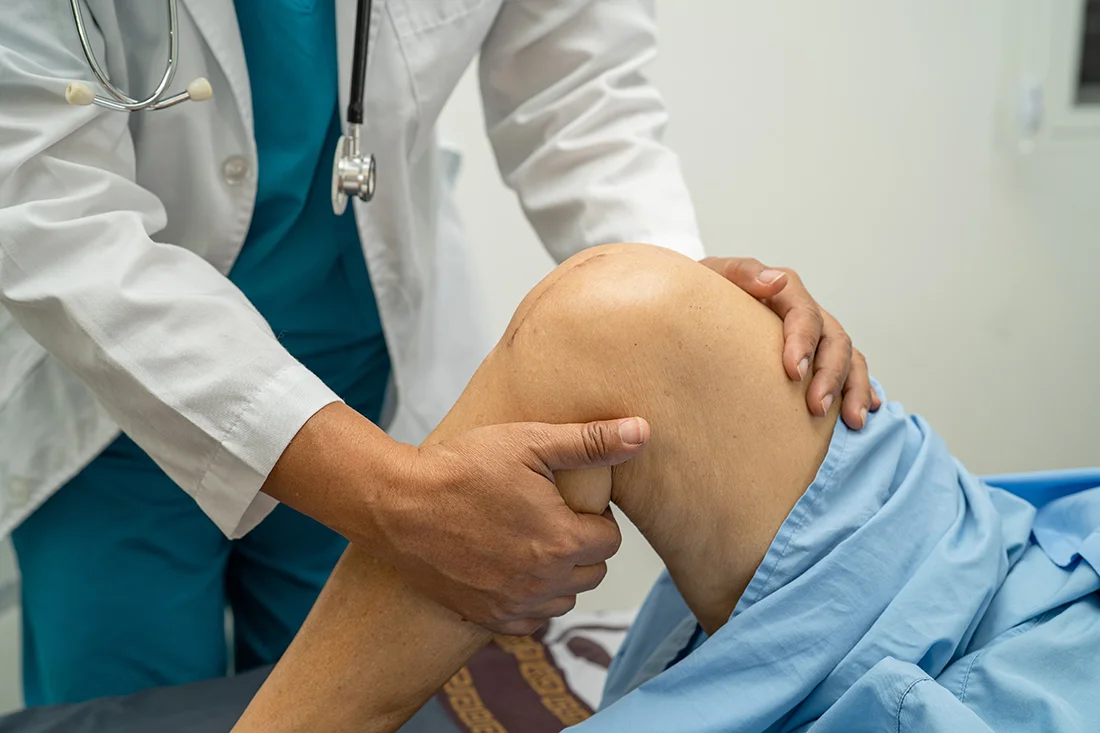
- Physical examination: The knee may be examined for tenderness, swelling, range of motion and stability.
- X-ray: An X-ray can help assess the bones and identify changes that may be associated with joint conditions.
- Magnetic resonance imaging (MRI): An MRI provides more detailed images of the cartilage and other soft tissues, including the ligaments and meniscus.
What Does Treatment and Recovery Involve After a Knee Cartilage Injury?
Treatment depends on factors such as the extent of cartilage damage, your symptoms, age, activity level and whether there are other problems within the knee. Depending on these factors, treatment may involve non-surgical measures or surgery, followed by rehabilitation to restore movement and function.
Non-Surgical Treatment
For some cartilage injuries, non-surgical management may be appropriate. This can include temporarily modifying activities that aggravate symptoms and undergoing physiotherapy to improve movement, strength and function.
The aim is to reduce strain on the affected knee while maintaining or gradually improving its ability to support everyday activities.
Surgical Treatment
Surgery may be considered for more substantial cartilage injuries or when symptoms continue despite non-surgical treatment. Procedures can aim to repair damaged cartilage, stimulate the formation of new tissue or restore the damaged area using cartilage or cartilage-and-bone grafts.
After surgery, the knee usually requires a period of protected activity followed by progressive rehabilitation. This allows the treated area time to heal before greater loads and more demanding activities are gradually reintroduced.
Rehabilitation and Return to Activity
Rehabilitation forms an important part of recovery with both surgical and non-surgical treatment. Early rehabilitation may focus on managing swelling and restoring comfortable movement before progressing to exercises that strengthen the quadriceps, hamstrings and other muscles supporting the knee.
As function improves, patients can carry out exercises that help restore balance and coordination. The pace of progression should be tailored to the injury and treatment received, as returning to higher-impact activities too quickly can place unnecessary stress on the recovering knee.
How Long Does Recovery for a Knee Cartilage Injury Take?
There is no single recovery timeline for a knee cartilage injury. A smaller injury managed conservatively may allow a gradual return to normal activities sooner than an injury requiring surgery and structured postoperative rehabilitation.
Recovery can also depend on the location and size of the cartilage injury, the treatment performed and the physical demands of your work or sport.
Rather than relying on a fixed timeline, your doctor or physiotherapist may assess factors such as pain, swelling, strength and knee function before recommending progression to more demanding activities.
Support Your Knee Cartilage Recovery at The Bone & Joint Centre
Recovery from a knee cartilage injury can take time, and progress is not always consistent from one day or week to the next. You may notice periods when pain, movement and strength improve, followed by days when the knee feels more sore or stiff, particularly as your activity levels increase. These fluctuations can form part of the recovery process, which is why progress is often considered over time rather than based on how the knee feels on any single day.
Having your knee properly assessed can provide a clearer understanding of the cartilage injury and what your recovery may involve, allowing your treatment and rehabilitation to be planned around your knee and activity goals.
At The Bone & Joint Centre, patients receive personalised orthopaedic care in a supportive setting, with a focus on restoring function and helping them return to everyday activities. Dr Kevin Koo Oon Thien, our senior consultant orthopaedic surgeon, has more than 20 years of experience and takes an individualised approach to assessing and managing each patient’s needs.
If a knee cartilage injury continues to affect your mobility or quality of life, contact us today for an assessment.