



After a bunion correction surgery, you will typically be able to return to normal everyday activities after around 6 weeks. However, it may take longer for you to return to higher-impact activities and sports. Recovery could take around 3–6 months, but this timeline can vary depending on the type of surgery you went through, how well your foot is healing and the physical demands of your daily activities.
Throughout this recovery period, your doctor can assess your healing and advise when it is safe to increase your activity. Here’s what you should know about returning to activity after surgery:
Key Takeaways
- Returning to activities after bunion surgery is a gradual process, and recovery timelines vary between individuals.
- Walking may begin with appropriate support soon after surgery, depending on your surgeon’s instructions.
- Returning to work depends on your job demands, with desk-based roles generally requiring less physical recovery than jobs involving prolonged standing or walking.
- Exercise should be resumed progressively, with higher-impact activities such as running and jumping requiring sufficient healing before you return to them.
- Normal footwear can usually be reintroduced as healing progresses and swelling subsides, with roomy shoes helping to avoid pressure on the operated area.
- Your surgical procedure, healing, bunion severity, general health and activity demands can all affect your recovery timeline.
When Can You Start Walking After Bunion Surgery?
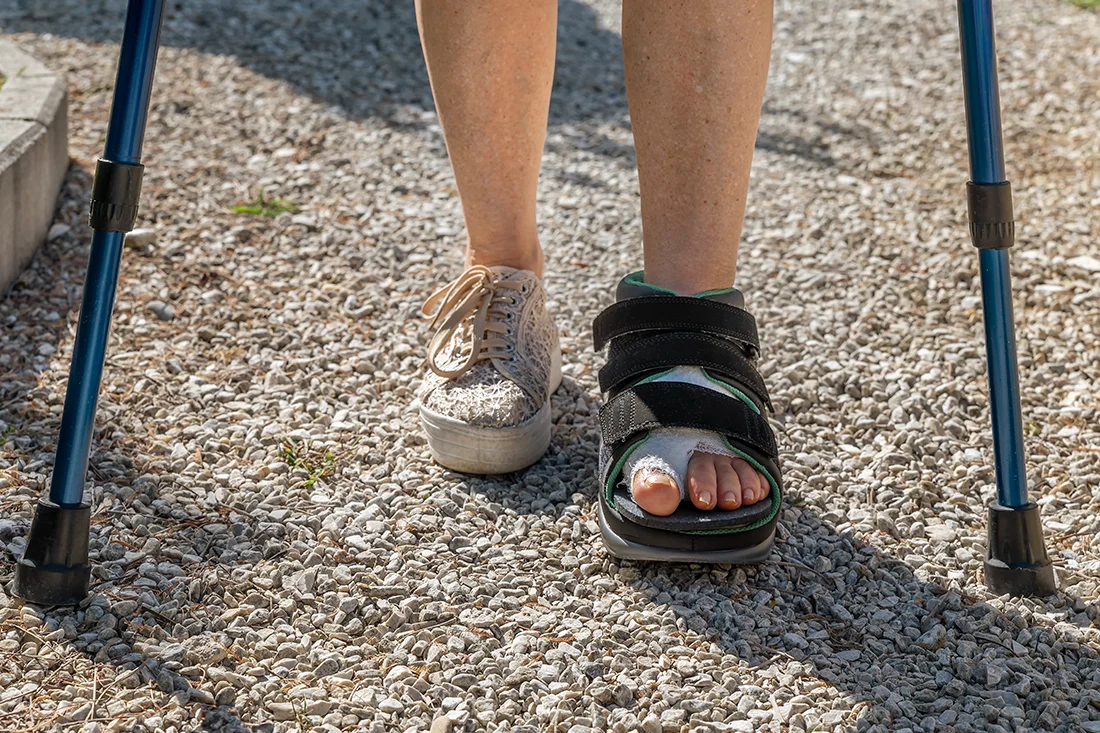
Many people can begin limited walking immediately after bunion surgery while wearing a special post-operative shoe or walking boot to protect the foot as it heals. Others may need to use crutches and avoid placing full weight on the operated foot for several weeks. Your surgeon will determine this recommendation based on the procedure performed and the stability of the surgical correction as your foot heals.
Although you may be able to start walking immediately, you should still keep movement to a minimum during this early recovery period. Elevating the foot as advised may also help manage post-operative swelling.
When Can You Resume Daily Activities After Bunion Surgery?
Light daily activities can generally be reintroduced gradually as mobility improves and your surgeon allows you to place more weight on the operated foot. Tasks that require prolonged standing, repeated trips up and down stairs or carrying heavy objects may need to wait until your foot has regained sufficient stability.
It can be helpful to arrange frequently used household items within easy reach before surgery and seek assistance with more physically demanding tasks during early recovery.
Even when everyday activities become comfortable again, swelling may persist for some time. Gradually increasing activity rather than trying to return immediately to your previous routine can reduce unnecessary strain on the recovering foot.
When Can You Return to Work After Bunion Surgery?
You may be able to return to work within a few days to several weeks after bunion surgery, depending on your recovery and how physically demanding your job is. Desk-based work may allow for an earlier return, while jobs that require prolonged standing, frequent walking, lifting or other physical activity may require more time away from work.
When you return, you may still experience swelling or discomfort as your foot continues to heal. If possible, consider adjustments such as elevating your foot, taking regular breaks and temporarily reducing activities that place additional strain on it.

When Can You Exercise After Bunion Surgery?
Gentle rehabilitation exercises may begin within the first few days or weeks after bunion surgery, while general exercise is usually resumed gradually from around 6 weeks. Running, jumping and other high-impact activities are commonly delayed until at least 12 weeks after surgery.
Check with your doctor before resuming these activities to ensure your foot has healed sufficiently and can safely handle the added impact.
What Can Affect Your Recovery After Bunion Surgery?
Your recovery after bunion surgery can be affected by the type of surgery performed, the severity of your bunion, how quickly your foot heals, your general health and how closely you follow post-operative instructions. These factors can influence how soon you can safely return to your usual activities after bunion surgery.
Factors that may influence your recovery include:
- Type of surgery: Different surgical techniques may involve different recovery periods depending on the extent of the procedure.
- Bone and soft tissue healing: The rate at which your bones and surrounding tissues heal can affect when you can safely increase activity.
- Severity of the bunion: More extensive correction may require a longer recovery period.
- Post-operative swelling: Persistent swelling may affect your comfort, mobility and ability to wear regular footwear.
- Following post-operative instructions: Adhering to guidance on weight-bearing, wound care, footwear and activity can support your recovery.
- General health: Your overall health and other medical factors may influence how your body heals after surgery.
- Activity demands: Returning to a desk-based job may have different recovery requirements from returning to running, sports or physically demanding work.
Rather than treating a general recovery timeline as a deadline, attend your scheduled follow-up appointments so your surgeon can assess your healing and advise when it is appropriate to progress your activities.
Get Back on Your Feet With The Bone & Joint Centre
After bunion surgery, it is natural to want to get back on your feet and return to your usual routine as soon as possible. However, increasing your activity before the bones and surrounding tissues have had enough time to heal can place additional stress on the recovering foot and potentially delay recovery. Appropriate follow-up care can help you understand when and how to safely increase your activity, so you can return to your routine with greater peace of mind.
At The Bone & Joint Centre, you can receive guidance tailored to your mobility needs and goals. Care at our clinic is led by Senior Consultant Orthopaedic Surgeon Dr Kevin Koo Oon Thien. With over 20 years of orthopaedic experience, Dr Koo provides personalised care to support your treatment and recovery, while you gradually regain mobility and safely return to the activities you enjoy.
If you are considering bunion surgery or would like guidance on your recovery after a procedure, book an appointment with us.