
| Tel. | : +65 6970 5905 |
| Fax | : +65 6970 5906 |
| Mobile | : +65 9898 7781 |
| : hello@bjc.sg, drkevinkoo@bjc.sg |

| Tel. | : +65 6970 5905 |
| Fax | : +65 6970 5906 |
| Mobile | : +65 9898 7781 |
| : hello@bjc.sg, drkevinkoo@bjc.sg |
| Monday to Friday | : 8:30am to 5:30pm |
| Saturday & Sunday | : Closed |
| Public Holiday | : Closed |
Knee Osteoarthritis Treatment in Singapore

Simple activities such as climbing stairs, taking a morning walk or getting up from a chair can become increasingly uncomfortable when you have knee pain. Over time, persistent stiffness and discomfort may affect your mobility, confidence and ability to enjoy everyday activities.
Knee osteoarthritis is a common joint condition that develops when the protective cartilage in the knee gradually deteriorates, leading to pain, stiffness and reduced movement. While the condition cannot be reversed, appropriate treatment may help manage symptoms, maintain joint function and improve quality of life.
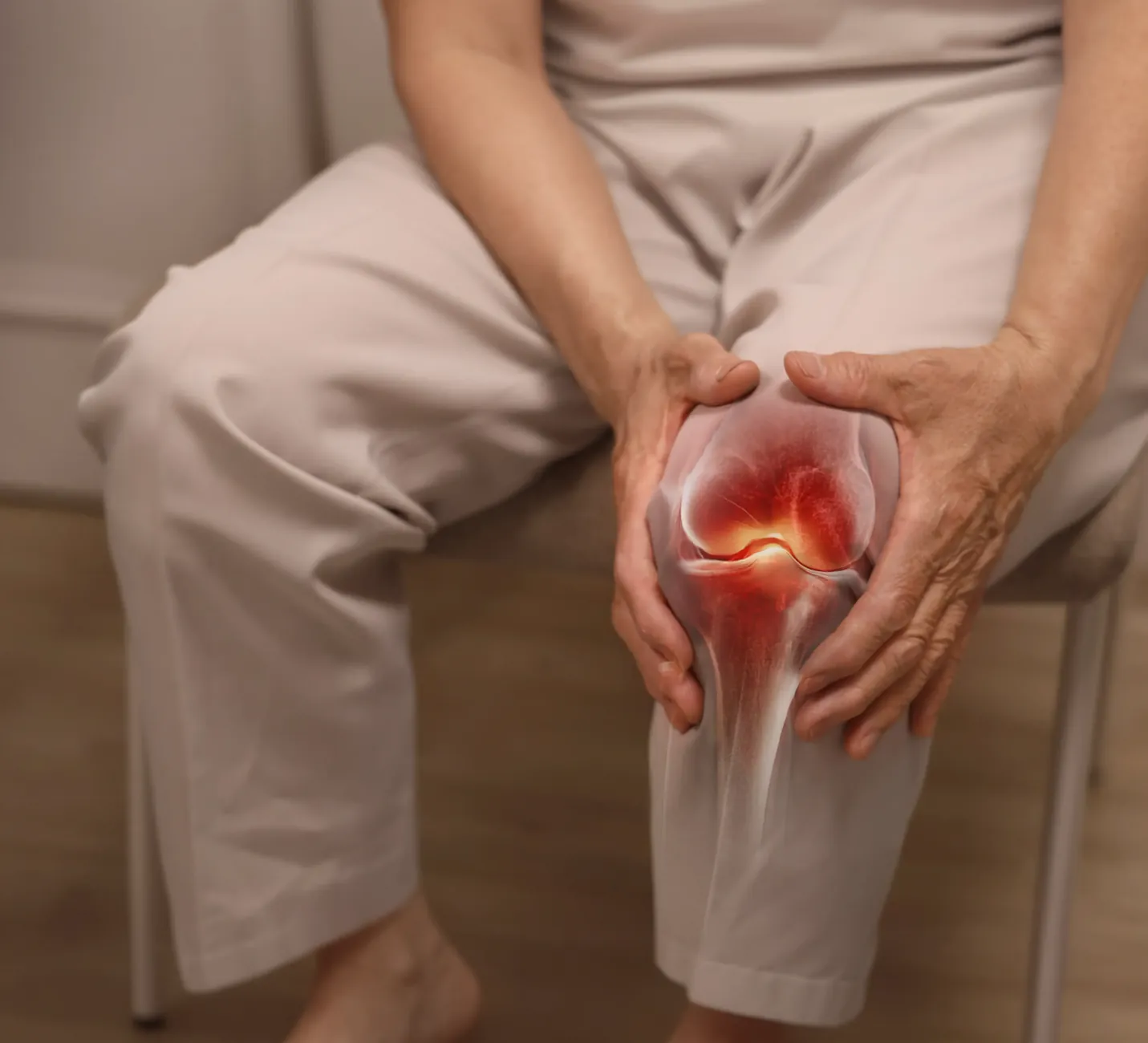
What Are the Causes and Risk Factors of Knee Osteoarthritis?
Knee osteoarthritis develops when the cartilage cushioning the ends of the bones within the knee joint gradually breaks down. As the condition progresses, changes to the cartilage, underlying bone and surrounding joint tissues can contribute to pain, inflammation and stiffness.
Several factors may increase the likelihood of developing knee osteoarthritis, including:
- Age: The risk increases with age as the knee joint undergoes gradual changes over time.
- Previous knee injuries: Ligament tears, meniscus injuries or fractures involving the knee joint may increase the risk of osteoarthritis later in life.
- Excess body weight: Additional weight places greater stress on the knee joints, particularly during weight-bearing activities.
- Repetitive joint stress: Occupations or activities involving frequent kneeling, squatting or heavy lifting may contribute to joint strain.
- Family history: Genetic factors may influence a person's susceptibility to developing osteoarthritis.
- Joint alignment: Bow-legged or knock-kneed alignment may cause uneven weight distribution across the knee, increasing stress on certain areas of the joint.
What Are the Signs and Symptoms of Knee Osteoarthritis?
Symptoms of knee osteoarthritis often develop gradually and may become more noticeable as the condition progresses. Some individuals experience occasional discomfort, while others develop persistent pain that interferes with daily activities.
Common symptoms include:
- Knee pain: Discomfort during walking, stair climbing, squatting or prolonged standing.
- Joint stiffness: Difficulty moving the knee, particularly after waking up or sitting for an extended period.
- Swelling: Mild swelling around the knee caused by inflammation within the joint.
- Grinding or clicking sensations: A crackling or grinding feeling, known as crepitus, when bending or straightening the knee.
- Reduced range of motion: Difficulty fully bending or straightening the knee.
- Joint instability: A sensation that the knee may buckle or give way during movement.
Symptoms do not always reflect the extent of joint changes. Some individuals with significant cartilage deterioration may experience relatively mild discomfort, while others may have considerable pain despite less extensive changes. If knee pain persists, worsens or begins to affect your daily routine, consulting a knee specialist in Singapore can help identify the underlying cause and guide appropriate treatment.

How Is Knee Osteoarthritis Diagnosed?
To determine whether osteoarthritis is causing your knee pain, your orthopaedic surgeon will ask about your symptoms, examine your knee and decide whether imaging tests are needed. They may also consider other knee injuries and conditions, such as ligament injuries and meniscus tears, which can cause similar symptoms.
Medical History and Physical Examination
Your orthopaedic surgeon may ask where and how long your knee has hurt, how severe the pain is, and whether previous injuries or particular activities make it worse. They may also check your knee for tenderness or swelling, assess its alignment, stability and range of motion, and observe how you walk.
X-Rays
Weight-bearing X-rays are commonly used to assess structural changes associated with knee osteoarthritis. These may reveal narrowing of the joint space, bone spurs or changes in the bone beneath the cartilage.
Other Imaging Tests
Additional imaging tests, such as magnetic resonance imaging (MRI), may be recommended if further assessment is needed. These scans can help examine the cartilage, ligaments and meniscus or rule out other causes of knee pain.
What Are the Treatment Options for Knee Osteoarthritis?
Treatment for knee osteoarthritis in Singapore depends on several factors, including the severity of symptoms, extent of joint damage, overall health and individual activity goals.
Management generally begins with non-surgical approaches. Surgical treatment may be considered when symptoms remain significant despite appropriate conservative care.
Non-Surgical Treatment
Non-surgical treatments aim to relieve knee pain, improve joint function and maintain mobility.
- Physiotherapy: Strengthening exercises can help improve knee flexibility, stability and mobility.
- Lifestyle Modifications: Low-impact activities such as swimming and cycling, along with weight management where appropriate, may help reduce stress on the knees.
- Pain Management: Pain-relief medication may help manage discomfort and inflammation under medical guidance.
- Knee Supports: Braces, supportive footwear and walking aids may improve stability and reduce pressure on the affected knee.
- Joint Injections: Corticosteroid injections may provide temporary relief from knee pain and inflammation.
Surgical Treatment
Surgical options, including knee replacement surgery, may be considered when knee pain and mobility limitations persist despite non-surgical treatment.
- Osteotomy: Realigns the bone to redistribute weight away from the damaged part of the knee, particularly in patients with uneven joint wear.
- Partial Knee Replacement: Replaces damaged surfaces in one compartment of the knee while preserving healthy joint structures.
- Total Knee Replacement: Replaces damaged knee joint surfaces with artificial components to help relieve pain and improve mobility in patients with advanced osteoarthritis.

Manage Knee Osteoarthritis With The Bone & Joint Centre
Living with ongoing knee discomfort can affect more than your ability to move comfortably. It may also limit your independence, daily routines and participation in activities you enjoy. An orthopaedic assessment can help you understand your condition and make informed decisions about treatment.
At The Bone & Joint Centre, patients may consult Dr Kevin Koo, a fellowship-trained senior consultant orthopaedic surgeon with over 20 years of experience. Formerly Director of the Foot and Ankle Service at Singapore General Hospital, he has managed a wide range of orthopaedic conditions, including knee osteoarthritis.
Book an appointment with us to assess your knee discomfort and take the next step towards better mobility.
Frequently Asked Questions (FAQs) About Knee Osteoarthritis
Can knee osteoarthritis be cured?
No. Knee osteoarthritis cannot be cured because damaged joint cartilage does not naturally regenerate. However, treatment can help manage pain, improve joint function and maintain mobility.
Does knee osteoarthritis always get worse with age?
Not necessarily. Although osteoarthritis is a long-term condition and structural changes may progress, the rate of progression varies. Some individuals experience relatively stable symptoms for years, particularly with appropriate symptom management and activity modifications.
Can knee osteoarthritis cause pain at night?
Yes. Knee osteoarthritis can cause pain at night, particularly in more advanced cases. Joint inflammation and stiffness may make it difficult to find a comfortable sleeping position.
Can knee osteoarthritis cause pain in other parts of the leg?
Yes. Knee osteoarthritis can cause changes in walking patterns that place additional strain on the hips, ankles and surrounding muscles. This may lead to discomfort in other parts of the leg.
Does knee osteoarthritis qualify for medical leave in Singapore?
Yes. Patients with knee osteoarthritis may receive medical leave if their symptoms affect their ability to work. The duration depends on the severity of the condition, job requirements and the doctor's assessment.
Meet Our Specialist
Meet Our Doctor
Dr Kevin Koo Oon Thien
FRCSEd (Orth), FAMS
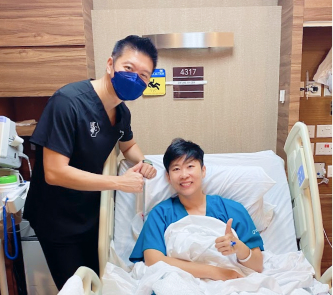
Dr Kevin Koo is a fellowship-trained senior consultant orthopaedic surgeon with over 20 years of experience managing a wide range of orthopaedic conditions. His practice interests include foot and ankle surgery, joint replacements, sports surgery and minimally invasive surgery. Dr Koo adopts an individualised approach to knee osteoarthritis care, focusing on appropriate treatment to help manage symptoms, improve joint function and support long-term mobility.


| Tel. | : +65 6970 5905 |
| Fax | : +65 6970 5906 |
| Mobile | : +65 9898 7781 |
| : hello@bjc.sg , drkevinkoo@bjc.sg |
| Mon - FriMonday to Friday | :8:30am to 5:30pm |
| Sat, Sun and PHSaturday, Sunday & PH | :Closed |
Well-being: Our Focus at
The Bone & Joint Centre.
get in touch as soon as possible.


| Tel. | : +65 6970 5905 |
| Fax | : +65 6970 5906 |
| Mobile | : +65 9898 7781 |
| : hello@bjc.sg , drkevinkoo@bjc.sg |
| Mon - FriMonday to Friday | :8:30am to 5:30pm |
| Sat, Sun and PHSaturday, Sunday & PH | :Closed |