
| Tel. | : +65 6970 5905 |
| Fax | : +65 6970 5906 |
| Mobile | : +65 9898 7781 |
| : hello@bjc.sg, drkevinkoo@bjc.sg |

| Tel. | : +65 6970 5905 |
| Fax | : +65 6970 5906 |
| Mobile | : +65 9898 7781 |
| : hello@bjc.sg, drkevinkoo@bjc.sg |
| Monday to Friday | : 8:30am to 5:30pm |
| Saturday & Sunday | : Closed |
| Public Holiday | : Closed |
Knee Instability Treatment in Singapore

Does your knee sometimes feel as though it might give way, whether you are walking, taking the stairs or changing direction? That uncertain sensation can make even familiar movements feel less trustworthy and gradually chip away at your confidence in everyday activities.
Knee instability may develop after an injury, ligament damage or changes in the structures that support the joint. Occasional unsteadiness may seem minor, but when symptoms persist they can affect mobility and increase the risk of further injury.
The appropriate treatment for knee instability depends on its underlying cause and severity. Mild cases may improve with rest, activity modification and strengthening exercises, while more significant injuries may require targeted rehabilitation or other medical interventions. As recurring knee instability can indicate an underlying joint or ligament problem, an orthopaedic assessment is recommended to identify the cause and determine a suitable course of treatment.
What Is Knee Instability?
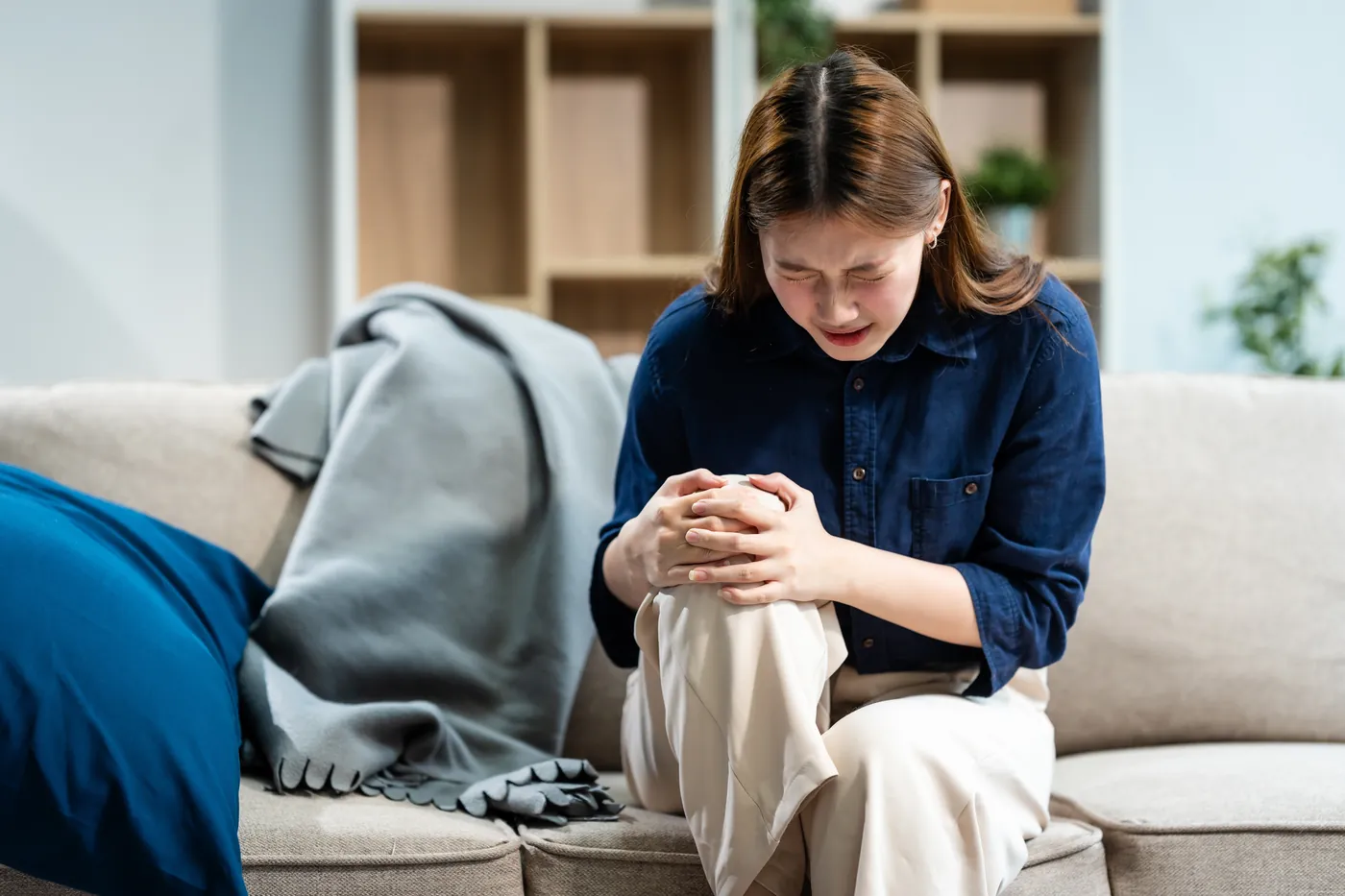
Knee instability refers to a sensation of the knee feeling weak, unsteady or unable to support your body weight reliably. Some people describe it as their knee buckling, shifting or suddenly giving way during movement.
The knee relies on several structures, including ligaments, muscles, cartilage and surrounding tissues, to maintain stability. When these structures are injured, weakened or affected by an underlying condition, the joint may become less stable.
Knee instability can occur with or without pain. Although it is sometimes temporary, recurring episodes may indicate an underlying problem that warrants medical assessment.
What Causes Knee Instability?
Knee instability can result from injuries, degenerative changes or conditions affecting the structures responsible for supporting and controlling the knee joint. Common causes include:
Ligament Injuries
The anterior cruciate ligament (ACL), posterior cruciate ligament (PCL) and collateral ligaments help maintain knee stability. Injuries to these ligaments, particularly during sports or sudden twisting movements, may cause the knee to buckle or give way.
Meniscus Tears
The menisci are cartilage structures that help distribute weight and support the knee joint. A meniscus tear may interfere with normal knee movement, sometimes causing catching, locking or a sensation of instability.
Knee Osteoarthritis
Osteoarthritis involves gradual changes to the cartilage and other structures within the knee joint. Pain, stiffness, muscle weakness and altered joint function may contribute to feelings of instability, particularly during weight-bearing activities.
Patellar Instability
Patellar instability occurs when the kneecap moves abnormally within its groove or partially or completely slips out of position. This may cause discomfort, apprehension or a sensation that the knee is shifting during movement.
Muscle Weakness or Imbalance
Weakness in the quadriceps, hamstrings or surrounding muscles may reduce the knee's ability to maintain stability during movement. This can develop following an injury, prolonged inactivity or changes in muscle function.
What Are the Symptoms of Knee Instability?
Knee instability may present differently depending on its underlying cause and severity. Some individuals experience occasional unsteadiness, while others have recurring episodes that interfere with daily activities.
Common symptoms include:
- Knee buckling or giving way
- Difficulty walking or climbing stairs
- Knee pain or discomfort
- Swelling or stiffness
- Clicking, catching or locking
- Reduced confidence in movement
How Is Knee Instability Diagnosed?
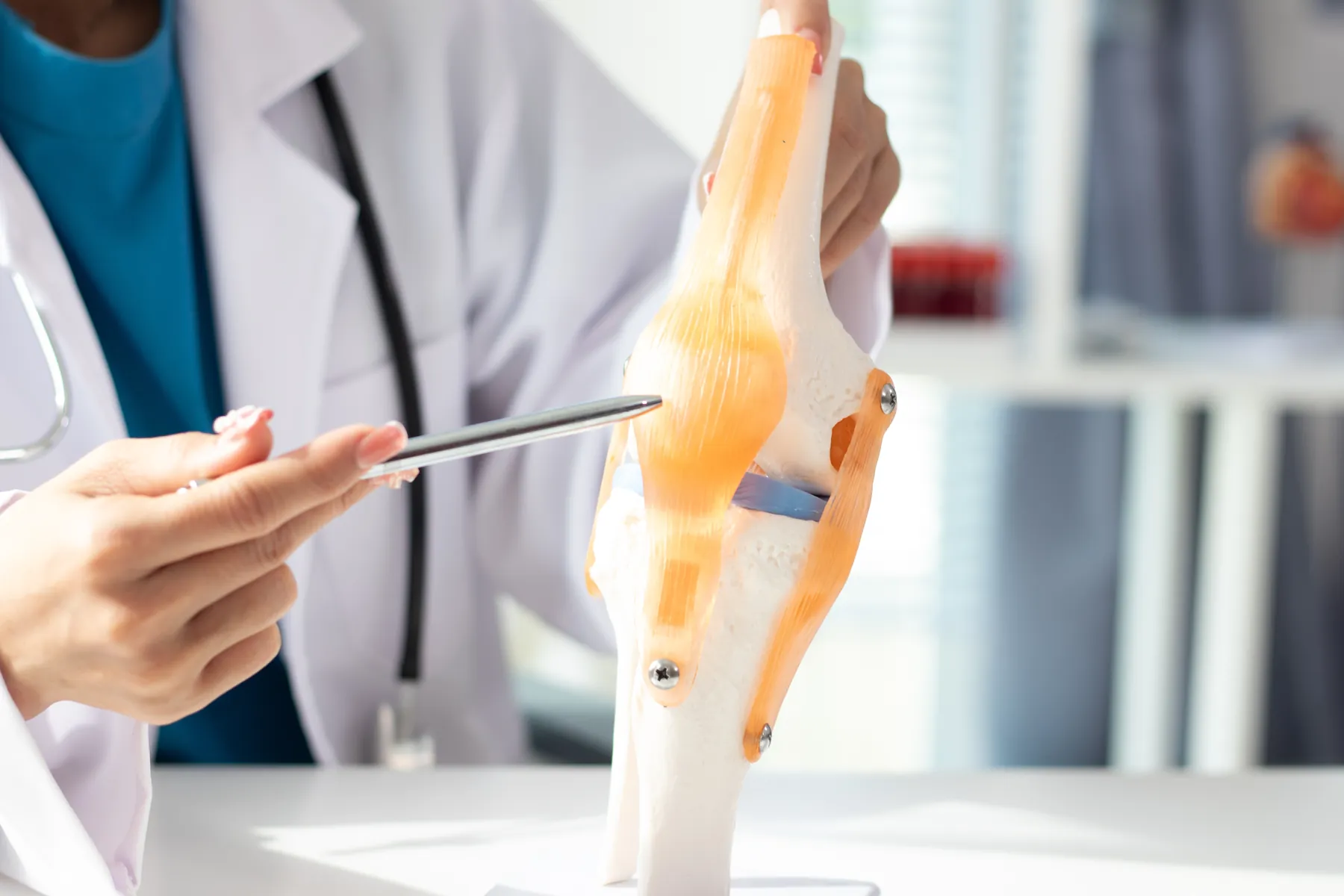
Diagnosing knee instability involves identifying the structures or conditions contributing to the symptoms. An orthopaedic assessment typically begins with a review of your medical history, previous injuries and the activities that trigger instability.
Your doctor may then perform a physical examination to assess knee movement, ligament stability, muscle strength and joint function.
Depending on the findings, additional investigations may be recommended, including:
- X-rays: To assess bone alignment, joint changes or possible fractures.
- Magnetic resonance imaging (MRI): To examine soft tissues such as ligaments, cartilage and menisci.
What Are the Treatment Options for Knee Instability?
Treatment for knee instability depends on the underlying cause, severity of symptoms, activity level and individual needs. Not all cases require surgery, and conservative approaches may be considered where appropriate.
Physiotherapy and Rehabilitation
Physiotherapy may help strengthen the muscles supporting the knee, improve balance and restore movement control. Rehabilitation programmes can be tailored to address muscle weakness, coordination difficulties and functional limitations.
Knee Bracing and Support
A knee brace may provide additional support during certain activities, particularly for individuals with ligament injuries or recurring instability. The type of brace and duration of use depend on the underlying condition and clinical assessment.
Activity Modification
Temporarily reducing activities that involve sudden turning, jumping or excessive knee loading may help manage symptoms while the underlying condition is addressed. A healthcare professional can advise on suitable activity adjustments and a gradual return to movement.
Medication and Symptom Management
Where knee instability is accompanied by pain or inflammation, appropriate symptom management may be recommended. This can help improve comfort but may not address the structural cause of instability.
Surgical Treatment
Surgery may be considered when knee instability is caused by significant structural damage, particularly when symptoms persist despite conservative treatment or substantially affect knee function. Depending on the diagnosis, surgical options may include ligament reconstruction, meniscus repair or procedures addressing patellar instability.
Why Consider The Bone & Joint Centre for Knee Instability Care?
- Over 20 Years of Orthopaedic Experience: Dr Kevin Koo is a fellowship-trained senior consultant surgeon with over 20 years of experience in managing musculoskeletal conditions and sports injuries.
- Former Director of SGH's Foot and Ankle Service: Dr Koo previously led the Foot and Ankle Service at Singapore General Hospital (SGH), managing both routine and complex foot and ankle conditions.
- Advanced Fellowship Training in London: He completed specialised fellowship training in the United Kingdom, further developing his expertise in foot and ankle surgery and sports injury management.
- Experience in Minimally Invasive Surgery: Where appropriate, Dr Koo uses minimally invasive techniques to minimise tissue disruption, with treatment tailored to each patient's condition and needs.

Find Support for Knee Instability at The Bone & Joint Centre
When you cannot trust your knee, it is not only your movement that suffers. Many people find themselves holding back and turning down activities they once enjoyed to avoid the risk of the knee giving way. An assessment can help clarify what is contributing to your symptoms, how extensively your knee is affected and which treatment options may be suitable.
At The Bone & Joint Centre, patients can discuss their concerns in a supportive clinical setting, with an emphasis on understanding their condition and making informed treatment decisions. Drawing on his orthopaedic experience, Dr Kevin Koo adopts a considered approach to patient care, with attention to individual needs and appropriate management options.
If recurring knee instability is affecting your daily activities, book an appointment with Dr Koo for an assessment.
Frequently Asked Questions (FAQs) About Knee Instability
Can knee instability go away on its own?
Mild instability associated with temporary muscle weakness or a minor injury may improve with rest and appropriate rehabilitation. However, instability caused by significant ligament damage or other structural problems may require further treatment.
Can I still exercise if my knee feels unstable?
This depends on the cause and severity of the instability. Low-impact activities may be suitable for some individuals, while running, jumping and sudden directional changes may place additional stress on an unstable knee. An orthopaedic assessment can help determine which activities are appropriate and whether rehabilitation is needed before returning to exercise.
How long does it take to recover from knee instability?
Recovery varies depending on the underlying condition and treatment required. Some individuals may notice improvement over several weeks of rehabilitation, while significant ligament injuries or conditions requiring surgery may involve several months of recovery.
Can knee instability occur without pain?
Yes. Some individuals experience their knee giving way without noticeable pain, particularly when muscle weakness, ligament laxity or certain movement-control difficulties are involved. However, painless instability does not necessarily mean the knee is functioning normally. Recurring episodes warrant medical evaluation.
Meet Our Specialist
Meet Our Doctor
Dr Kevin Koo Oon Thien
FRCSEd (Orth), FAMS
Dr Kevin Koo is a fellowship-trained senior consultant surgeon with over 20 years of experience in orthopaedic care. As the former director of the Foot and Ankle Service at Singapore General Hospital, he has managed a range of routine and complex lower-limb conditions. His approach to knee instability care focuses on identifying potential causes of knee unsteadiness and exploring suitable treatment options based on each patient's condition, mobility needs and recovery goals.


| Tel. | : +65 6970 5905 |
| Fax | : +65 6970 5906 |
| Mobile | : +65 9898 7781 |
| : hello@bjc.sg , drkevinkoo@bjc.sg |
| Mon - FriMonday to Friday | :8:30am to 5:30pm |
| Sat, Sun and PHSaturday, Sunday & PH | :Closed |
Well-being: Our Focus at
The Bone & Joint Centre.
get in touch as soon as possible.


